

 GMA Brandtalk
 Tracking
 Archives

Health experts call for medical accuracy in entertainment media
Health experts have called for a more accurate depiction of medical emergencies and practices in entertainment media, saying that much of what is shown on TV and in the movies is incorrect.
At a Philippine Heart Association forum on Thursday, Philippine College of Physicians fellow Dr. Don Robespierre Reyes stressed that saving lives should be portrayed correctly.
“This is a science that showbusiness is trying to capture also. They’re trying their best naman to translate the scientific practices to a language that can be understood by the masa [masses],” Reyes said.
“But then again, what we see on television and in movies, mali eh [is wrong]… So we are calling on to our showbiz friends… so when you make movies or teleseryes, gawin niyo namang sound ‘yung inyong mga medical action [make your scenes of medical action sound],” he added.
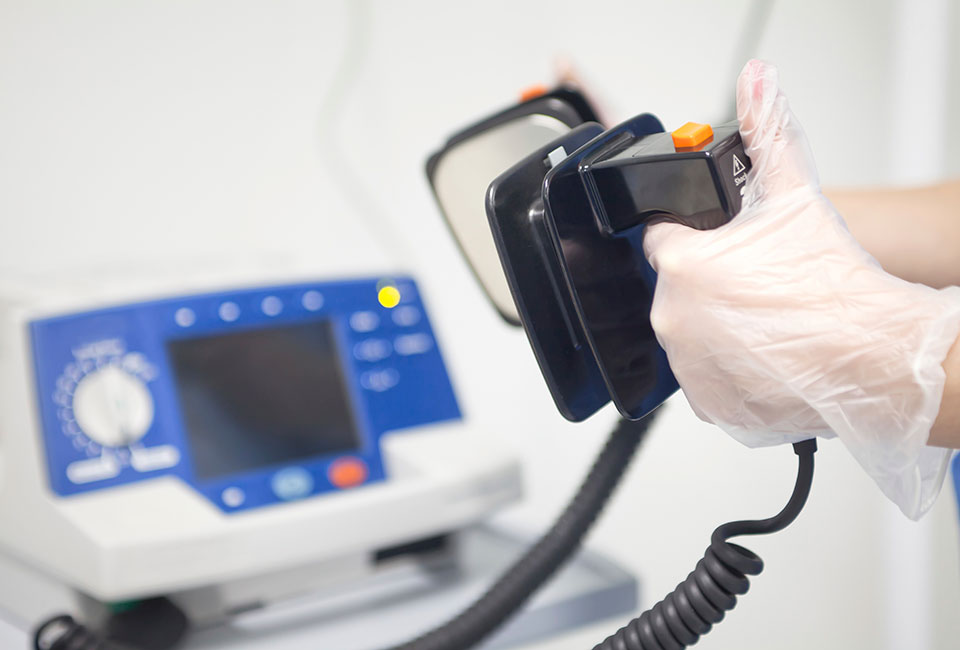
For instance, said cardiologist Dr. Celine Aquino, an automated external defibrillator is automated only to “fire only when it detects… rhythm.”
“And when we use the AED correctly, we know that we do not cardio work or defibrillate a flatline. Because we can’t. But just try telling that to our filmmakers. The dramatic electrical surge and then the patient is saved. Please, the patient is not a car,” she said.
Learn CPR
Aquino also urged Filipinos to learn proper cardiopulmonary resuscitation, or CPR.
She said that to do so will mean having to overcome some aspects of Filipino culture—machismo, hubris, even amor propio—that can "undermine" successful CPR.
“For Filipinos we have pakikisama...and we also have machismo—'Hey, look at me, I'm a hero.' Yeah, a dead hero. It can cause a rescuer to ignore the first trope [of ensuring there is no danger to themselves],” she said in a presentation.
Aquino added that amor propio may lead to a reluctance to ask for instruction, leading to the wrong application of CPR.
“Amor propio is a Filipino value that loosely translates to self-love. It means don’t correct me, I know what I’m doing. It is an intense desire to preserve self-esteem because Filipinos care about others’ opinions,” she said.
She said hubris, amor propio, and machismo may also prevent rescuers from calling for help.
“Trying to singlehandedly do the CPR without expectation of relief is a really, really bad idea. But hubris, amor propio, and machismo are strong Filipino traits borne of a… society that reflects the inherent resistance… that one needs help,” Aquino said.
“Don’t get me wrong, we Filipinos have a lovely value system. We’re centered on core values of respect and a sincere desire for help. But we have to admit we have a tendency to either overdo or underdo things,” she said.
“In CPR, the values of pakikisama, paporma, hiya, amor propio, machismo, hubris, and magical thinking all undermine success. The antidote to this is training. Learn CPR today,” she added. — BM, GMA News

