

 GMA Brandtalk
 Tracking
 Archives

From Balintawak to EDSA: Check out these LRT-1 stations that ring with Philippine Independence
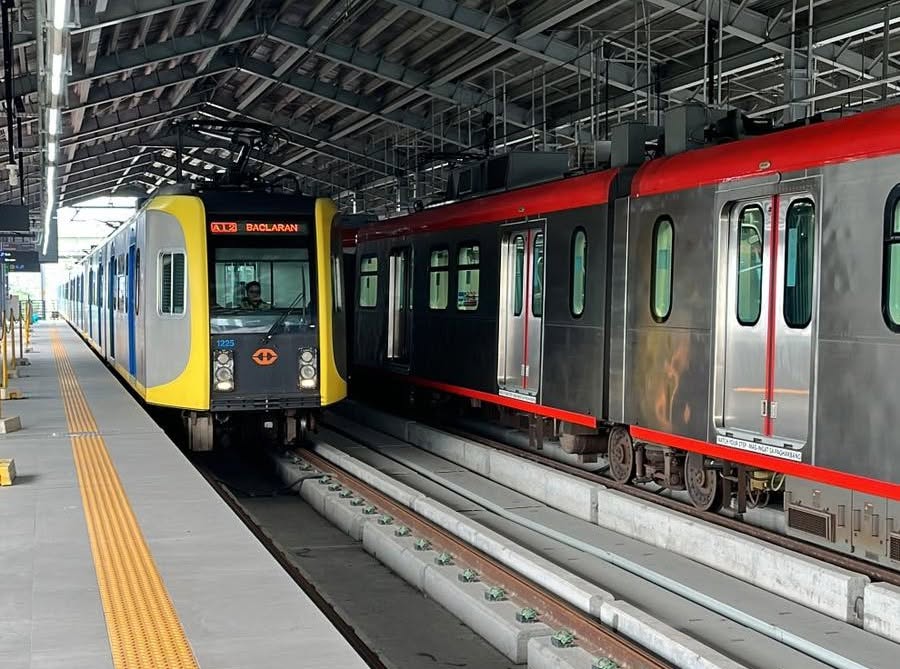
On Philippine Independence Day 2026, the LRT-1 is offering free rides on select hours. It sounds like the perfect opportunity to experience not just the fast and hassle-free train commuting but to experience Metro Manila as well.
While the railway is a fast and practical manner that will take you anywhere from Carriedo to PITX, Baclaran to Blumentritt, from Fernando Poe Jr., to Sucat, it is no ordinary transit line.
Commuters traversing the entire stretch of LRT-1 will find not only a cool collection of historical trivia but also of inspiration built from the strength and bravery of the Filipinos who fought for the country’s freedom
The LRT-1 even features the ikotMNL Heritage Transit Tour created in partnership with the cultural group, Renacimiento Manila. It is a guided experience that shares the centuries-old stories carved into the metro’s rail tracks, turning it into an immersive exploration of Manila’s past.
Here are some of the stories from Manila’s railway stations.
Balintawak Station
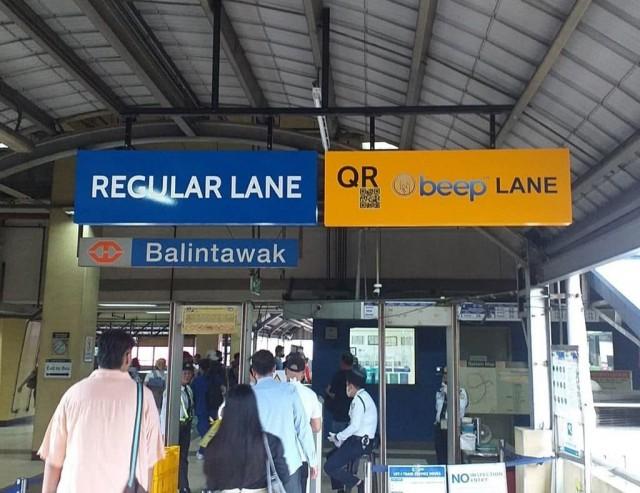
Its proximity to the Balintawak Market makes the Balintawak Station popular but did you know this area was ground zero of the Philippine revolution?
It was here that the “Cry of Balintawak” happened, shattering centuries of colonialism as Andres Bonifacio and his men got together under the Kataastaasan, Kagalanggalangang Katipunan ng mga Anak ng Bayan, or the KKK.
Andres and his men ripped their cedulas, which signified the Katipuneros’ defiance of over 300 years of Spanish colonization. This launched an armed revolution and a collective declaration of independence.
Blumentritt Station
What was once an interchange connecting the LRT-1 to the Philippine National Railway (PNR), and was widely known for its large local markets is now the gateway to a bustling neighborhood that captures the hustle of Manila’s thriving commerce.
The place is named after Professor Ferdinand Blumentritt, the Bohemian scholar who became Dr. Jose Rizal’s closest confidant and European ally.
Blumentritt defended “Noli Me Tangere” from critics. He even wrote the introductions to “El Filibusterismo” and “Sucesos de las Islas Filipinas,” helping fuel the Propaganda Movement and lay the groundwork for Philippine independence.
Central Terminal
In the heart of Manila is Central Terminal, where commuters can experience history here just a few steps away.
Minutes away from it are both the symbols of Spanish control and the Philippine independence movement: the Liwasang Bonifacio and Intramuros.
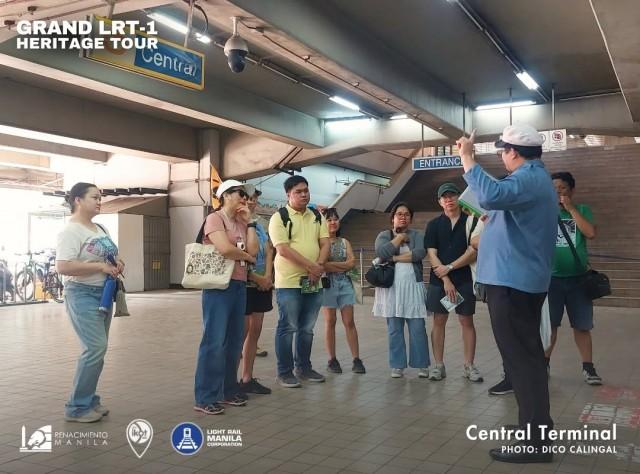
The plaza honors Bonifacio and has now become one of the four freedom parks in Manila used for public assemblies. Meanwhile, the Walled City is where Rizal was jailed in Fort Santiago, before his execution at the nearby Luneta Park.
This part of Manila shows how it shifted from being a gated Spanish fortress into the capital of a sovereign nation.
Vito Cruz
Vito Cruz, now Pablo Ocampo Street, is currently home to student culture, modern cafes, and major sports complexes.
Built in 1984, this station honors Hermogenes Vito Cruz, a prominent mayor of Pasay during the 1800s.
Vito Cruz later became a local leader in the Katipunan, serving as a reminder that freedom was not just a national struggle but a hard-fought battle.
Epifanio de los Santos Avenue (EDSA)
Going further south is EDSA Station that bridges the LRT-1 and the MRT-3.
Primary point of commuting around Luzon — from Metro Manila to Cavite, to Bataan, and more — the EDSA station is among the busiest and highest-density stations on the entire LRT-1 line.
Like the historical highway on which it stands, the station is named after Epifanio de los Santos, who served as an associate editor for Antonio Luna’s revolutionary newspaper, “La Independencia.”
His lifelong dedication to preserving historical truth is proof that sovereignty isn’t only victory over foreign invaders, but also a continuous resistance against internal tyranny.
— LA, GMA News

