

 GMA Brandtalk
 Tracking
 Archives

ADVERTISEMENT
Filtered By: Lifestyle
Lifestyle
La dolce vita in Buenos Aires, the hometown of Pope Francis
Watching the newly elected Pope Francis win the hearts of Catholics in Rome and everywhere, his warmth radiating beyond the digital confines of livestream video, easily brought back memories of a trip across the globe nearly a decade ago. If I had gone to the cathedral near our hotel then, maybe I might even have heard one of his sermons, but with very limited time to explore the city, going to Mass was farthest from my mind.
Along with other reporters from various corners of the developing world, I had traveled to Buenos Aires to cover the annual UN conference on climate change. Every day, we bugged our delegates and filed reports for our news outlets, but somehow, we found time to wander around the charming capital of Argentina. 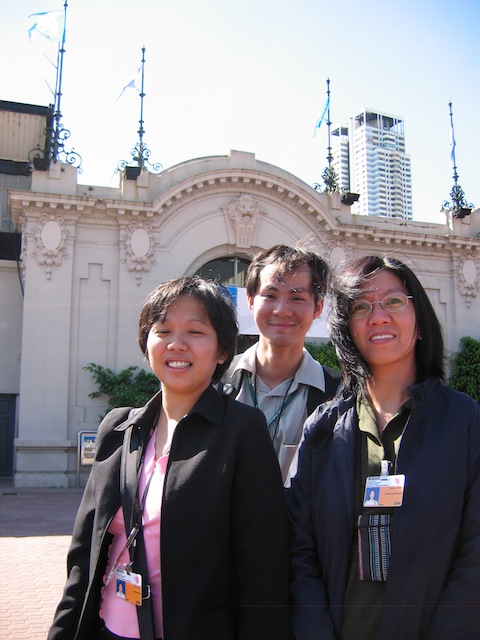
The author (right) with other Asian journalists covering the climate change conference in Buenos Aires in 2004.
The first thing that came to mind when I landed in the city was Evita, icon of a bygone era often mentioned in the same breath as Filipina counterpart Imelda. Right outside our hotel was Plaza de Mayo, the center of both protests and celebrations, and on the opposite road was Casa Rosada, where the anthem “Don’t Cry for Me, Argentina” is sung from the famous balcony in the musical about Evita.
Every morning, as we passed by the plaza on the way to the trains that would take us to the conference hall, there were often colorful reminders about the country’s European colonial past and its Latin American heritage.
There was the ubiquitous yerba maté, a traditional South American tea that came with a straw in a mug with an ethnic design. It was one of the few souvenirs I got as pasalubong for a friend who’s into all things edible and artistic.
And then there was gelato, a dessert that carried a lesson in demographics: a large percentage of Argentinians are, like Pope Francis, of Italian descent so they must have brought some comforts of home when they arrived with the Spanish invaders. I remember going back to the hotel jetlagged and tired one evening, a tub of gelato in hand that I happily finished in one sitting. Life can indeed be sweet.
The age of conquest was also evident as we strolled along the pedestrian-only shopping streets, again another throwback to European cities. There were artisans everywhere, selling paintings and trinkets on the sidewalk and having workshops in art spaces that were sometimes too dingy for comfort. In some places, the city looked like a Third World version of Europe, with many stately buildings needing renovation and a fresh coat of paint. 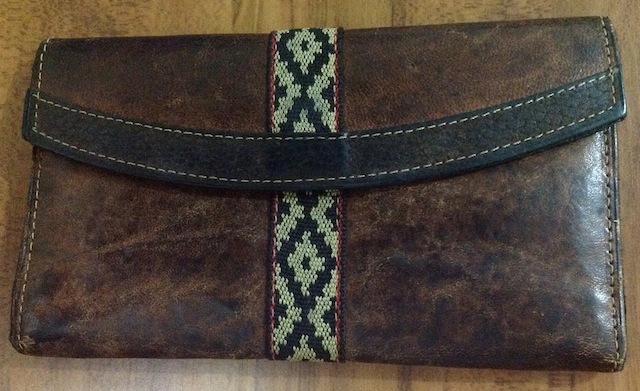
Argentina is known for its cattle industry, and leather products are popular souvenirs.
Looking around, I remembered how Filipinos are sometimes described as little brown Americans for our tendency to be more in sync with the pop culture of the ex-colonizers than our native tastes. In Buenos Aires, one of our guides said, the joke is that its residents are Spanish-speaking Italians living in Paris because of the ornate architecture, their ethnic origin, and the colonial language that has supplanted most South American tongues.
Except that, of course, the French don’t have tango, the sensuous dance that originated in Buenos Aires and, for many, seems to typify Latino culture. After the exhausting conference, we celebrated with a night at a tango parlor where we watched good-looking pairs gracefully swaying to the beat of entrancing rhythms. 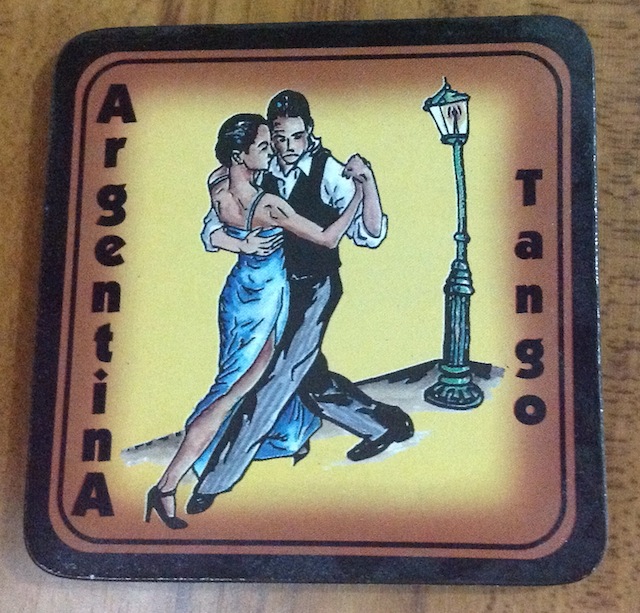
Images of the tango are found everywhere, including beverage coasters.
I could not leave the city without visiting its most famous resident, so on the last day of our stay, I went out for a little expedition to find the tomb of Evita. On a bright day in spring, the Recoleta cemetery was hardly creepy. In fact, it looked like a small subdivision with neat rows of tombs, some of them adorned with huge statues of favorite saints.
The map showed Evita's tomb along one of the alleys, which was confusing to trace from the directions but not so difficult to find if you follow the curious tourists. Wedged tightly among grander mausoleums, it would have been easy to miss if not for the mound of fresh flower offerings. Many decades after her death, it seems Evita attracts as much attention as her theatrical persona.
These days, cable news is showing Pope Francis rivaling the populist Evita for affection among the people of Buenos Aires. He rides the bus, he cooks, and he even dances the tango – how can Argentinians, and indeed the world’s 1.2 billion Catholics, not like him? – KG, GMA News

