

 GMA Brandtalk
 Tracking
 Archives

ADVERTISEMENT
Filtered By: Lifestyle
Lifestyle
Corregidor: Not all 7,107 islands are created equal
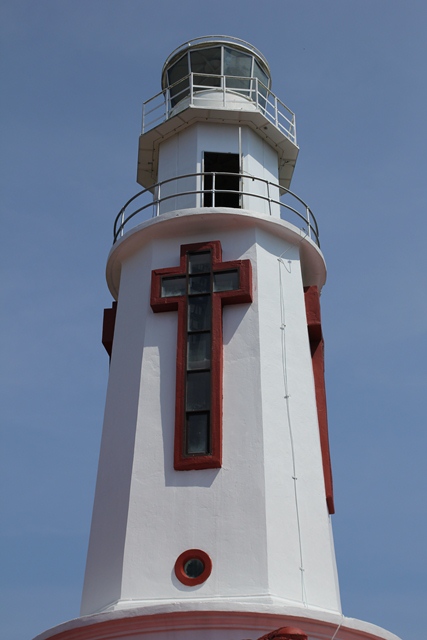
The Spanish lighthouse provides a 360 degree view of the island
However, the historical sites more than compensates for the lack of beach and dining experiences. Barracks, batteries, buildings and memorials, some untouched for close to six decades after World War II ended in 1945, remind local and foreign tourists how significant this island is to the history of the Filipino people.
48 kilometers west of Manila
It was already 7:15 AM by the time our group got to the old CCP port beside Harbour Square. Upon arrival, the person manning the area mentioned that the terminal for the cruise going to Corregidor Island has already moved to the lot between the Folk Arts Theater and Coconut Palace.
Bummer.
We only had minutes to spare before Sun Cruises, the only shipping line providing transfers between Manila and Corregidor closes the boarding gate. So as the lead organizer of this day-trip, I made a frantic, almost Amazing Race-like dash to the entrance and luckily got our tour stickers and boarding passes just in the nick of time.
It was six and a half years ago when I first visited the island of Corregidor, hence my old reference to the old CCP terminal. Upon arrival, my first impression was that things haven’t really changed that much on this tadpole-shaped island located 48 kilometers away from Manila.
After an hour at sea, the same orange trams still greeted us at the South Port; ready to take local and foreign tourists on a guided tour of the last Filipino-American bastion to surrender to the Japanese Imperial army during World War II.
Barracks and batteries
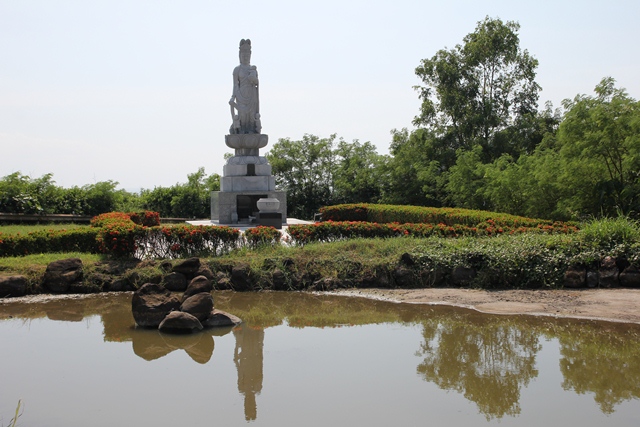
Japanese Garden of Peace
We were given several minutes to roam around each site, read historical markers or to take souvenir photos before the ringing of the tram bell signaled us to go back to our designated seats.
Located at the highest point in Corregidor, the Topside served as the main nerve center before and during WWII. I could just imagine this place to being what Makati is now. Aside from the military barracks and facilities, Topside also used to house the Cine Corregidor (cinema), an officer’s club, a nine-hole golf course, tennis courts and swimming pool.
Stops on a trio of batteries—units of guns and mortars—were sandwiched between the two barracks. Battery Way contains mortars capable of firing ammunition up to 13 kilometers in all directions while Battery Hearn houses the biggest gun on the island capable of targeting enemy vessels entering the West Philippine Sea. Battery Grubbs meanwhile, has two ten-inch guns mounted in such a way that they can be displayed or hidden as needed.
While all three batteries have been slightly restored and refurbished, bullet holes can still be seen on the bases and barrels of these artilleries. For the benefit of guests unfamiliar with military technology, our tour guide explained that the difference between guns and mortars is the trajectory of the ammunition. Guns fire on a straight direction while mortars are fired upwards and gravity takes care of the rest.
Memorials
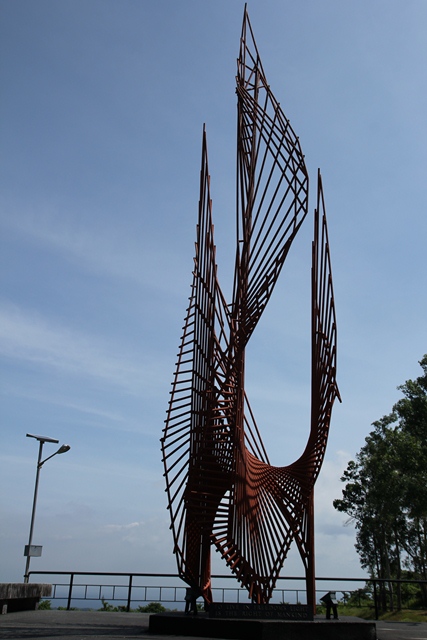
40-foot Eternal Flame of Freedom
The 40-foot Eternal Flame of Freedom and big white dome with a circular altar inside served as the major landmarks of this memorial. For guests who opt to stay overnight on the island, the back area of the Pacific War Memorial also functions as the sunrise viewing deck.
Two other memorials, the Filipino Heroes and Japanese Garden of Peace served as tributes to brave men and women from the two Pacific nations. Although simpler in design, artifacts and landmarks, the Filipino-centric memorial is actually the more extensive of the two as 14 murals depict Filipino revolutions, struggles and battles from the 15th century to the present.
The Japanese memorial, slightly controversial especially to the Chinese and victims of Japanese war crimes, was built to commemorate the Japanese soldiers who served and died on the island during World War II.
More historical sites
The Spanish lighthouse was the last stop before a buffet lunch was to be served at the Corregidor Inn. The original lighthouse was built in 1853 before damage from the war made it necessary to reconstruct during the 1950s.
The climb to the top takes a bit of effort. To get to the small observation deck, we had to climb three sets of stairs, each getting harder and steeper the higher we went. At the top, we were rewarded with a nice view of the island together with sights of a neighboring modern telecommunication tower and two old and unused silos.
The last destination in the Corregidor Island tour was the Malinta Tunnel. Our tour guide mentioned that the Light & Sound show used to be part of the day tour package but some tourists had trouble breathing in confined spaces, hence the need to make it optional.
I was actually hesitant to go in as I have experienced the same Malinta tunnel show six years ago. It was a good thing that my aunt and uncle convinced me to join because the 30-minute audio-visual presentation really rounds out the whole Corregidor experience.
We learned that had it not been for the lack of resources and ammunition, Corregidor would not have been surrendered to the Japanese forces on May 6, 1942 and the Philippines would not have been placed under Japanese rule until 1945.
Even though it was my second time passing through the 831 feet-long tunnel, seeing the Philippine flag and singing the Lupang Hinirang at the end of the show still filled me with pride and nationalism.
Instead of delicacies and fresh seafood, the tour fed me with knowledge and appreciation for history; lessons, insights and information that one could not achieve from visiting the rest of the country’s 7107 islands. — VC/NB, GMA News
Instead of delicacies and fresh seafood, the tour fed me with knowledge and appreciation for history; lessons, insights and information that one could not achieve from visiting the rest of the country’s 7107 islands. — VC/NB, GMA News

