

 GMA Brandtalk
 Tracking
 Archives

5 jewels of nature, civilization threatened by global warming
PARIS - From the glimmering coral of the Great Barrier Reef to Mount Fuji and the canal-crossed city of Venice, global warming may spell the final ruin of some of the most precious jewels of nature and civilization.
These are five sites at risk:
Great Barrier Reef
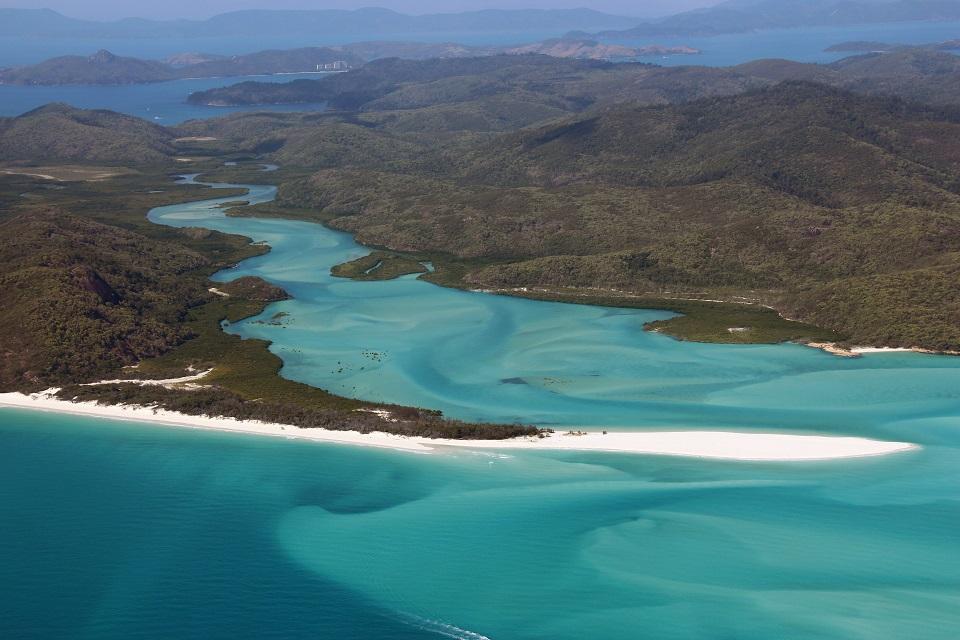
A warming climate is one of the principal menaces to the dazzling, 2,300-kilometer (1,400-mile) coral reef system off the coast of northeastern Australia, known as the Great Barrier Reef.
Home to thousands of species of fish and other creatures, the world's largest coral reef is highly sensitive to many of the climate changes that will accompany a warmer planet: rising seas, warming waters, storms, and greater ocean acidity.
Higher temperatures threaten to accelerate reef decay—bleaching the coral and depriving it of nutrients, leading finally to its demise.
"If conditions continue to worsen, the Great Barrier Reef is set to suffer from widespread coral bleaching and subsequent mortality, the most common effect of rising sea temperatures," said Ove Hoegh-Guldberg, director of the University of Queensland's Global Change Institute.
Venice
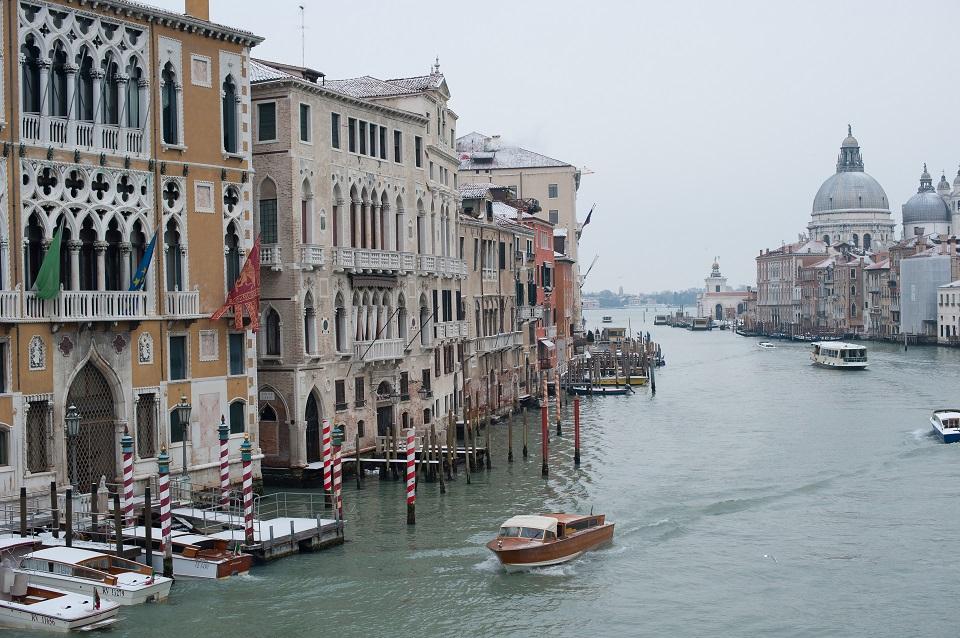
The historic city of Venice is already sinking at a rate of 10 centimeters (four inches) a century as its lagoon expands and sediment settles, according to UNESCO.
In the 20th century, it lost an extra 10-13 centimeters due to industry using water from the lagoon, the UN cultural and scientific body says.
Further threatening the Italian city with its trademark waterways, is global warming raising the sea level.
Under a scenario of moderate warming, Venice could sink another 54 centimeters by 2100, UNESCO says, warning: "If nothing is done it could be flooded every day."
Mount Kilimanjaro

The glaciers of Tanzania's dormant volcanic Mount Kilimanjaro, Africa's highest mountain at 5,895 meters (19,341 feet) above sea level, have existed for more than 10,000 years.
Yet they have lost 80 percent of their surface in the 20th century because of the impact of climate change and changing human activity such as people inhabiting the area.
With 50 centimeters (20 inches) in depth melting away each year, the Kilimanjaro ice field could disappear within 15 years, UNESCO warns.
Machu Picchu
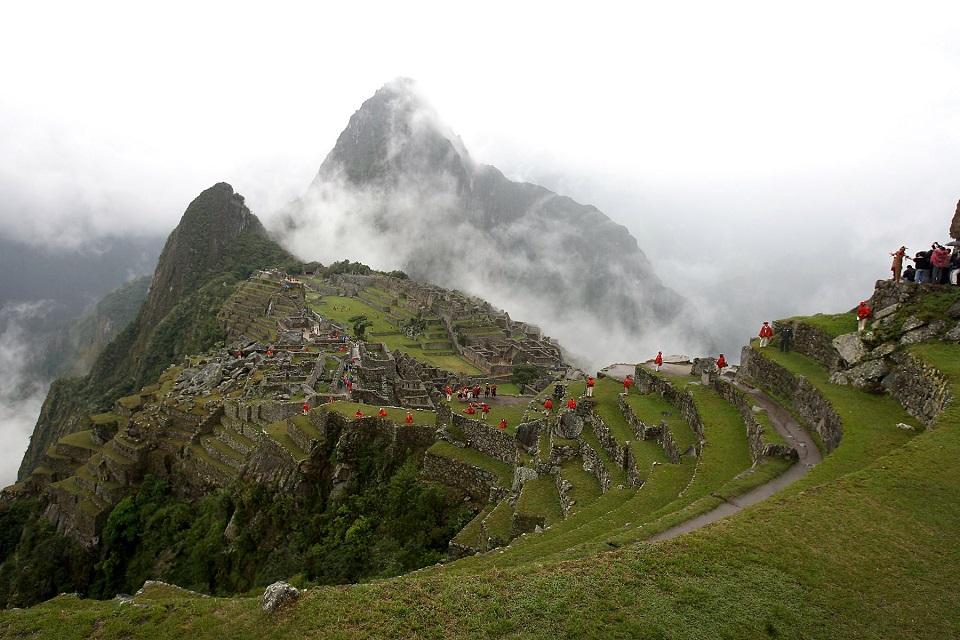
Peru has placed Machu Picchu, the Incan city of the Andes, under close watch as the Salcantay glacier, which lies to the south, melts.
The melting glacier could alter water supplies and affect animal and plant species around the ruins of the citadel, many of which are already threatened with extinction according to the Peru's national meteorological and hydrological service.
In a warmer world, the ancient site would be exposed to a higher risk of forest fires or storm-triggered avalanches and flooding, experts say.
Mount Fuji

Snow-capped Mount Fuji—its peak rising 3,776 meters (12,389 feet) above sea level—is an iconic image of Japan.
But the lower reaches of permafrost have receded up the mountain and now begin 3,500-3,700 meters above sea level, according to a study published in 2011. In 1976, they reached down to the 3,200-meter mark. — Agence France-Presse

