

 GMA Brandtalk
 Tracking
 Archives

Inflation slows down for fourth straight month at 6.1% in August
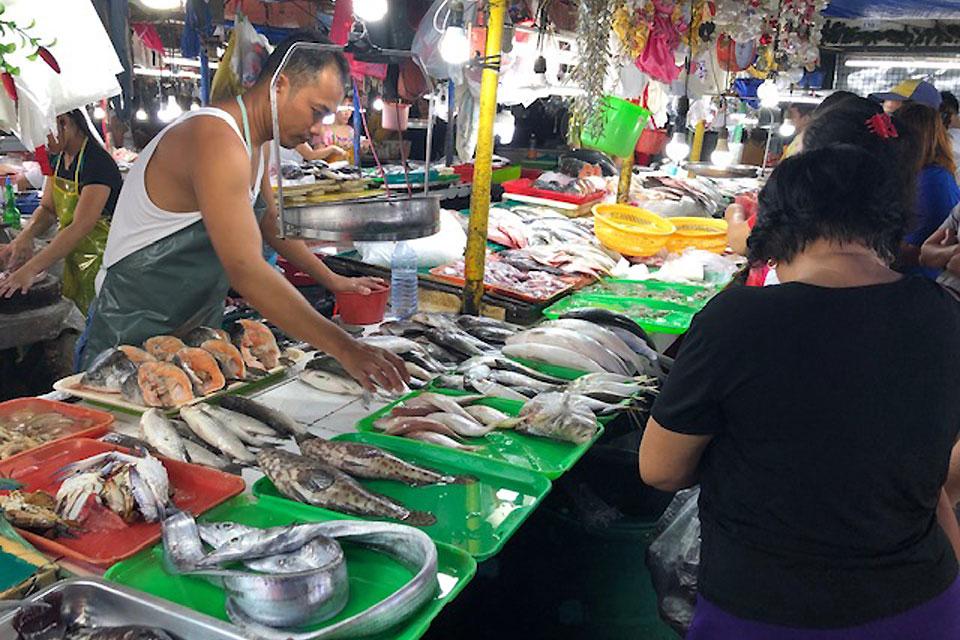
The Philippines’ inflation rate decelerated for the fourth straight month in August 2026 due to slower increases in food and utilities costs during the period, the Philippine Statistics Authority (PSA) reported on Friday.
At a press briefing, National Statistician and PSA chief Claire Dennis Mapa reported that the inflation rate eased to 6.1% last month, from 6.2% in July 2026.
This brought the year-to-date average inflation rate to 5.2%, still above the government’s comfortable ceiling of 2% to 4%.
“Ang pangunahing dahilan ng mas mababang antas ng inflation nitong Agosto 2026 kumpara noong Hulyo 2026 ay ang mas mabagal na pagtaas ng presyo ng Food and Non-Alcoholic Beverages na may 4.6 percent inflation rate,” Mapa said.
(The main contributor to the lower inflation in August 2026 compared to July 2026 was the slower increases in Food and Non-Alcoholic Beverages with 4.6% inflation rate.)
In July, the Food and Non-Alcoholic Beverages index’s inflation print stood at 5.2%.
The Housing, Water, Electricity, Gas and other Fuels index was the second contributor to the inflation downtrend during the month, with a rate of 7.9% from 8.2% month-on-month.
"While the overall figure remained stable, the moderation in key drivers such as food inflation gives us confidence that we are moving in the right direction,” said Department of Economy, Planning, and Development (DEPDev) Secretary Arsenio Balisacan.
To help manage price pressures and support vulnerable sectors, Balisacan said the government continues to implement targeted interventions under the Unified Package for Livelihoods, Industry, Food, and Transport (UPLIFT).
The UPLIFT include expanding access to affordable food through over 700 KADIWA outlets nationwide, distributing more than 26,000 metric tons of free rice to over 2.5 million Filipinos through the “Bawat Bayan Makikinabang” Program, and providing fuel assistance to vulnerable transport groups.
Moreover, the Department of Agriculture (DA) continues to update its El Niño response plan, prioritizing irrigation support, input assistance, inventory monitoring, and timely market interventions to help stabilize food prices.
“Our priority is to strengthen the foundations of long-term price stability through improved food security, more efficient logistics, and targeted support for vulnerable sectors,” Balisacan said.
“These are not short-term fixes; they are investments in a more resilient economy capable of withstanding future disruptions,” the country’s chief economist added. —VAL, GMA News

