

 GMA Brandtalk
 Tracking
 Archives


Inflation rises to 7.8% in October
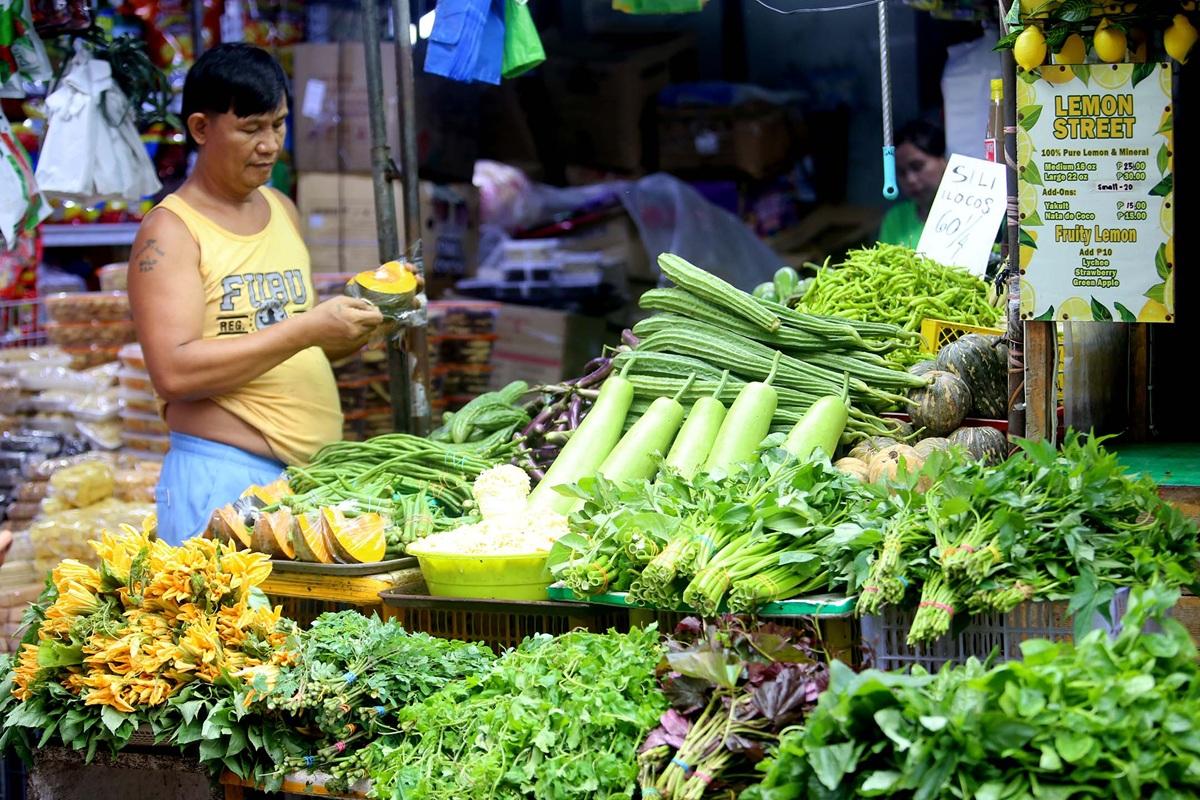
The country’s inflation rate accelerated for the second straight month in October, mainly due to faster increases in transportation, fuel, and utilities costs during the period.
At a press briefing, National Statistician and PSA chief Claire Dennis Mapa reported that the inflation rate rose to 7.8% last month, from 7.2% in September 2026.
This brought the year-to-date average inflation rate to 5.6%, still above the government’s comfortable ceiling of 2% to 4%.
“Ang pangunahing dahilan ng mas mataas na antas ng inflation para sa buwan ng Oktubre kumpara noong buwan ng Setyembre ay ang mas mabilis na pagtaas ng presyo ng Transport na may 20.1% inflation rate,” Mapa said.
(The main contributor to the faster inflation rate for the month of October compared to the month of September was the faster increases in Transport costs with 20.1% inflation rate.)
The Transport index contributed 62.9% to the overall inflation uptrend.
Mapa said the faster increases in road transport, particularly jeepney fares, as well as bus fares and higher gasoline prices, contributed to a faster inflation print in the Transport index.
Also contributing to the uptrend was the faster annual increase seen in the Housing, Water, Electricity, Gas and Other Fuels index at 9.3% in from 8.4% month-on-month.
Meanwhile, Food inflation —which tracks the price movements of food items in a “basket” commonly purchased by households— saw a slight decrease of 6.4% from 6.8%.
The PSA said the downtrend in the food inflation in October was mainly driven by the slower annual increases in the indices of Fish at 5% from 7.4%, and in Vegetables at 5.7% from 10.5%.
Faster annual increases, however, were seen in the indices of the following food items during the month:
- Rice - 20.7% from 20.3%
- Corn - 19.3% from 17.3%
- Flour, bread and other bakery products, pasta products, and other cereals - 4.7% from 4.5%
- Fruits and nuts - 10.8% from 8.7%
- Ready-made food and other food products not elsewhere classified - 3.9% from 3.4%
Rice remained the largest contributor to overall inflation, while transport and energy costs recorded some of the sharpest increases amid rising fuel prices. Slower price increases for several other food commodities helped moderate food inflation, the Department of Economy, Planning and Development (DEPDev) said in a statement.
To address price pressures, the DEPDev said the government is strengthening agricultural production and logistics while providing targeted assistance to sectors affected by higher energy costs.
The agency said the Department of Agriculture (DA) has expanded support through the Rice Competitiveness Enhancement Fund (RCEF), which provides farmers with certified seeds, farm machinery, training, and credit assistance to improve productivity and strengthen domestic rice supply.
The DEPDev added the DA is also expanding KADIWA ng Pangulo outlets and direct marketing initiatives to connect producers with consumers and make food more affordable.
As of October 21, the DA had released P11 billion in production support, indemnification assistance, cash aid, and other interventions for affected farmers and fisherfolk.
To cushion the impact of elevated fuel costs, the DEPDev said the government began rolling out P3 billion in fuel subsidies in October for around 300,000 farmers, fisherfolk, and agricultural delivery-truck drivers.
Farmers and fisherfolk will receive a one-time subsidy of P5,000, while delivery-truck drivers will receive P2,000 weekly to support farm-to-market deliveries.
In the energy sector, the Department of Energy (DOE) is taking steps to ensure adequate power supply amid El Niño conditions, including augmenting generation capacity and accelerating the deployment of energy storage systems, according to the DEPDev.
The DEPDev added that the Energy Regulatory Commission (ERC), in coordination with the DOE, has also temporarily suspended the Wholesale Electricity Spot Market (WESM) Reserve Market to help curb elevated ancillary service costs that have contributed to higher electricity rates, particularly in the Visayas.
Moreover, it said that the government, through the Inter-Agency Committee on Inflation and Market Outlook and in coordination with the Bangko Sentral ng Pilipinas, continues to monitor price developments and align policy responses to emerging inflation risks, according to the DEPDev.
“We will continue strengthening targeted interventions that support producers, improve supply, and provide relief to vulnerable sectors,”said DEPDev Secretary Arsenio Balisacan said.
“By improving agricultural productivity and logistics and addressing constraints in food and energy supply, we can ease price pressures, protect purchasing power, and build greater resilience against external shocks,” said Balisacan. —VAL, GMA News

