

 GMA Brandtalk
 Tracking
 Archives


Has the Philippines entered 'stagflation' phase? Balisacan says, 'I'd wait 'til end of the year'
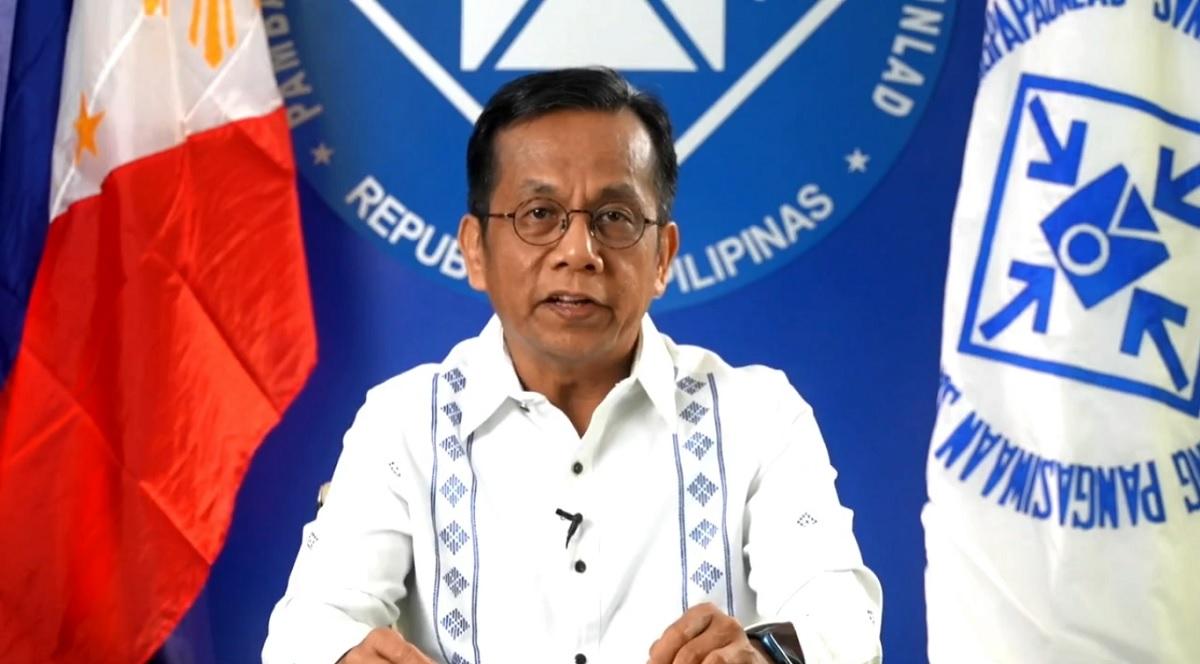
The Philippines' chief economist, Economic Planning Secretary Arsenio Balisacan, has cautioned against saying that the economy has already fallen into stagflation.
Stagflation is characterized by the simultaneous occurrence of slow or stagnant economic growth, persistent high inflation, and high unemployment.
The economy, measured by gross domestic product (GDP)—the value of goods and services produced in a period—grew slower at 2.1% in the third quarter of 2026, from the upwardly revised 2.4% growth rate seen in the second quarter.
Meanwhile, the country’s inflation, the rate of increase in the prices of goods and services, accelerated for the second straight month at 7.8% in October, its fastest since February 2023, from 7.2% in September.
The country’s unemployment rate, on the other hand, stood at 5.4% in September, equivalent to 2.86 million jobless adult Filipinos higher than the 2.77% million unemployed in August.
Balisacan, however, said, “I would wait for the end of the year to think of stagflation.”
“I think that it’s important that we are looking at the various dimensions of the economy, and not just a few indicators,” the country’s chief economist added.
READ: ANALYSIS: Is the Philippines at risk of stagflation?
Nonetheless, Balisacan expressed confidence that the October to December 2026 economic performance will be much better than the first three quarters.
“We'd like to believe that the fourth quarter performance will be better. We need something like 4% to 4.5% or so to achieve at least 3%,” he said.
“I think if we can achieve that, that would be a remarkable achievement already, given that we are coming from a very low base of growth in the first three quarters,” he added. —VAL, GMA News

