

 GMA Brandtalk
 Tracking
 Archives


Better infrastructure can reduce Philippines' sugar importation, says research center
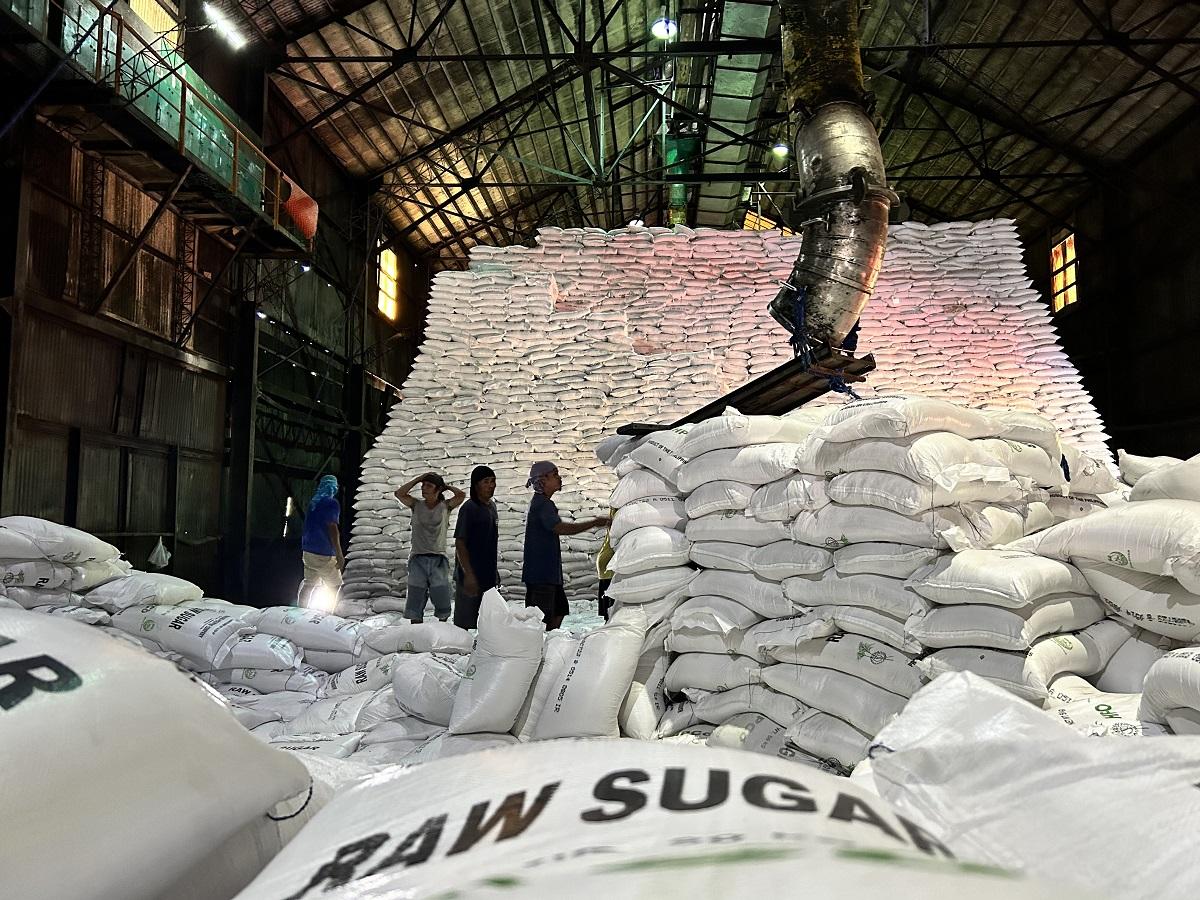
Improved infrastructure and better farming practices can help reduce the government's reliance on importing sugar for supply, the University of Asia and the Pacific-Center for Food and Agri Business said in its latest policy brief.
The UA&P-CFA said there are several bottlenecks that force the country to depend on importation.
"The Philippine sugar industry has significant potential to increase productivity and reduce reliance on imported supply. While it faces challenges such as low productivity, low sugar recovery, and high production costs, opportunities exist in improving infrastructure and farming practices, expanding value-added processing, and encouraging private-sector investment," the policy brief said.
Between 2021 and 2025, Philippine sugar imports—comprising raw and refined cane or beet sugar as well as chemically pure sucrose—experienced significant volatility, the institution said.
After rising to a high of 710,500 tons in 2023, volumes dropped steeply the following year, only to recover by 61.8% to nearly 459,000 tons in 2025.
The UA&P CFA also noted that the Philippines imported sugar products mostly from Thailand in 2025. The country also sourced from Malaysia, Indonesia, Vietnam, and Colombia.
However, the policy brief said that many sugarcane farmers are "small and fragmented."
"Many sugarcane farmers are small and fragmented, lacking the ability or resources to invest in mechanization, irrigation, and modern farm practices. Limited consolidation and coordination make it difficult to increase the productivity of the sugar industry," said UA&P CFA.
It also pointed out that many mills operate inefficiently due to "aging equipment, underutilized facilities, and inadequate farm-to-market roads."
"These infrastructure gaps contribute to higher costs and low sugar recovery," the policy brief said.
The United States Department of Agriculture (USDA) earlier lowered its forecast on the Philippines' raw sugar production for marketing year (MY) 2026 to 2027, citing several factors including the threat of El Niño.
In a report, the USDA Foreign Agricultural Service (FAS) Manila forecasts raw sugar production at 1.7 million metric tons (MMT) for MY 2026 to 2027. This is 8% lower than the estimate of 1.85 MMT in MY 2025 to 2026.—LDF, GMA News

