

 GMA Brandtalk
 Tracking
 Archives

World Bank retains 5.8% economic growth outlook for PH in 2024
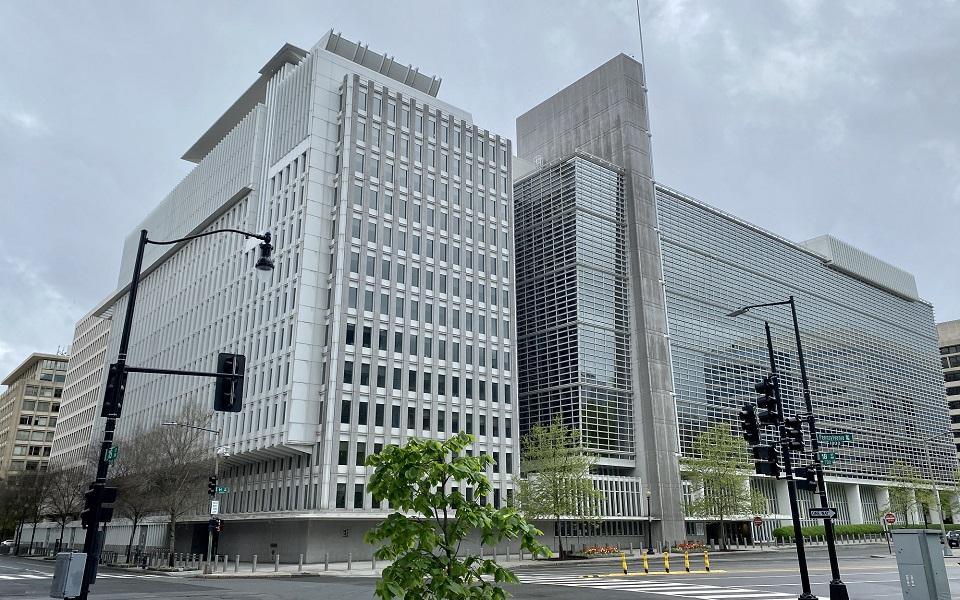
Multilateral lender World Bank on Tuesday retained its economic growth projection for the Philippines this year amid expectations of easing inflation which will support domestic demand.
In the June 2024 edition of its Philippines Economic Update report, the World Bank is forecasting that the country’s economy, as measured by gross domestic product (GDP), will grow by 5.8% in 2024 —similar to its growth projections in East Asia and the Pacific Economic Update released in April.
For 2025 and 2026, the multilateral lender also maintained its outlook of 5.9% growth.
The World Bank’s growth projection for 2024 is faster than the 5.5% GDP growth seen in 2023 and below the government’s downwardly revised target of 6% to 7% economic growth.
At a press briefing in Taguig City, World Bank senior economist Ralph Van Doorn said that the bank’s growth forecast was hinged on the expectation that inflation will ease, which will then strengthen household purchasing power thereby supporting domestic consumption.
Van Doorn said inflation is seen to ease within the 2% to 4% ceiling of the government.
The World Bank, in particular, is expecting inflation in the Philippines to settle at 3.6% this year, a slowdown from the 6% inflation rate recorded in 2023.
“To manage inflation, the continued implementation of non-monetary strategies is essential, including efforts to optimize supply and demand management and to secure timely and adequate imports of staple food items,” Van Doorn said.
Apart from easing inflation, the country’s growth over the medium term will be supported by consistent public investment which is expected to remain above 5% of GDP.
The World Bank also sees export demand strengthening, led by services exports such as tourism and IT-BPO as well as goods trade which will be supported by improving global growth.
Moreover, import growth is expected to rise which will further support household consumption and investments.
However, Van Doorn said extreme weather and climate change coupled with global geopolitical tensions, tighter-than-expected financial conditions, and sharper slowdown in China might pose risks to the growth outlook.
He said a prolonged El Niña and a possible La Niña could strain the domestic food supply and trigger an increase in inflation.
“The government needs to continue providing social assistance to vulnerable groups who are disproportionately affected by high food inflation,” Van Doorn said.
Nevertheless, the World Bank senior economist emphasized the importance of enhancing revenue collection to sustainably finance the country’s development programs in sustaining the country’s economic growth trajectory.
Additional revenue efforts could focus on broadening the tax base, rationalizing tax incentives, strengthening tax administration, and improving collection efficiency, according to Van Doorn. —VAL, GMA Integrated News

