

 GMA Brandtalk
 Tracking
 Archives

Marcos-led NEDA board approves P27.9-B health resilience project
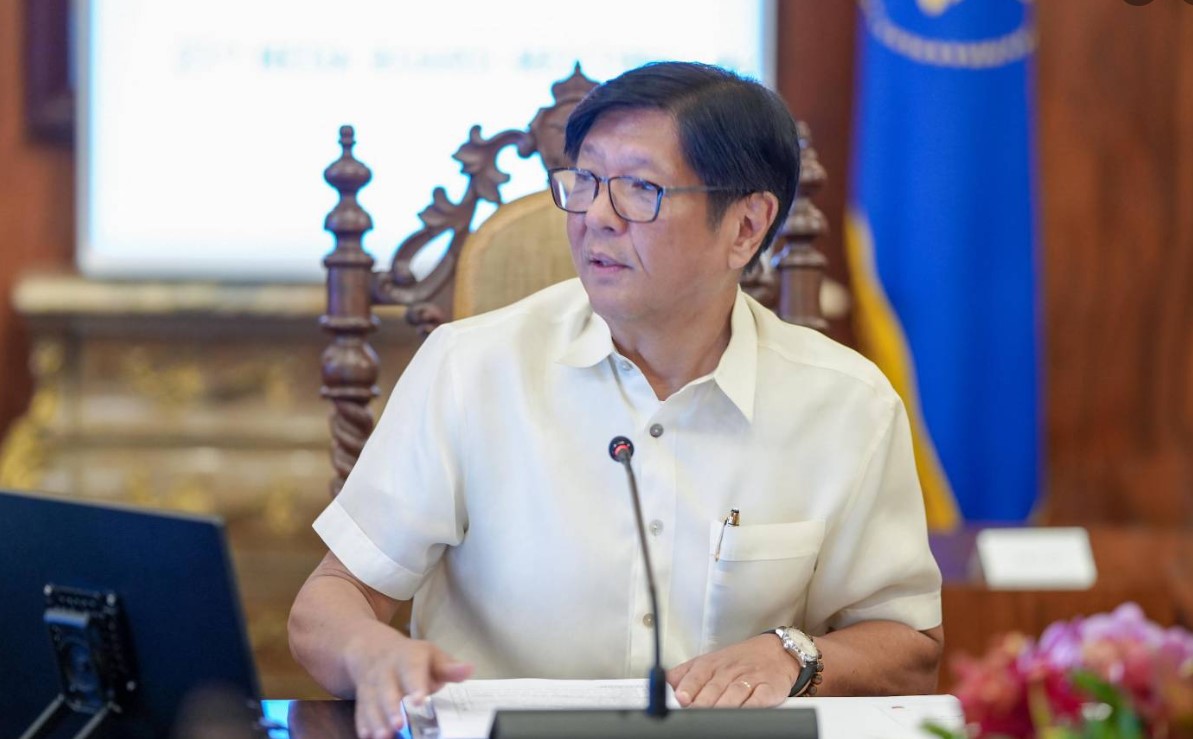
The National Economic and Development Authority (NEDA) Board, chaired by President Ferdinand R. Marcos Jr., approved on Wednesday Phase 1 of the Philippine Health System Resilience Project worth P27.9 billion.
According to the Presidential Communications Office, Marcos said the program was an “application of lessons learned during the pandemic."
"This is about ensuring that no matter where you live, you can count on your healthcare system when it matters most. We’re focusing on 17 provinces that need it the most, building up their capacity to handle future pandemics and emergencies," Marcos said on Facebook.
"It’s a big step toward a healthcare system that’s ready for whatever comes next—so every Filipino can feel secure," he added.
The program will enhance health emergency prevention, preparedness, and response in vulnerable areas in the country.
Marcos said the program will rebuild a resilient health system, supporting the vision outlined in the Philippine Development Plan 2023-2028.
It is also geared towards building an enabling environment, project management, monitoring and evaluation, and Contingency Emergency Response Component (CERC).
The project will prioritize areas in the country with poor access to healthcare.
In a statement, the Department of Health said the project would focus on improving health services and heart emergency response over the next five years from 2025 to 2029.
“This project supports the country’s goal of improving healthcare through the 8-Point Action Agenda, which includes making healthcare accessible for all, leveraging technology for faster services, and protecting against pandemics,” the statement read.
“With a budget of PHP 27.9 billion, the HSRP will focus on building climate-resilient provincial health systems, strengthening health emergency response systems, and advancing digital health transformation,” it continued.
The project will be conducted in three provinces in Luzon, three provinces in Visayas, and eleven provinces in Mindanao.
Meanwhile, a one-year-extension of the USAID - Development Objective Grant Agreement (DOAg) for Improved Health for Underserved Filipinos was also approved until September 30, 2024.
The project will address logistics issues and shortage of qualified health professionals in some areas of the country, the DOH said.—NB, GMA Integrated News

