

 GMA Brandtalk
 Tracking
 Archives

NEDA sees rosy economic growth in Q1 amid easing inflation
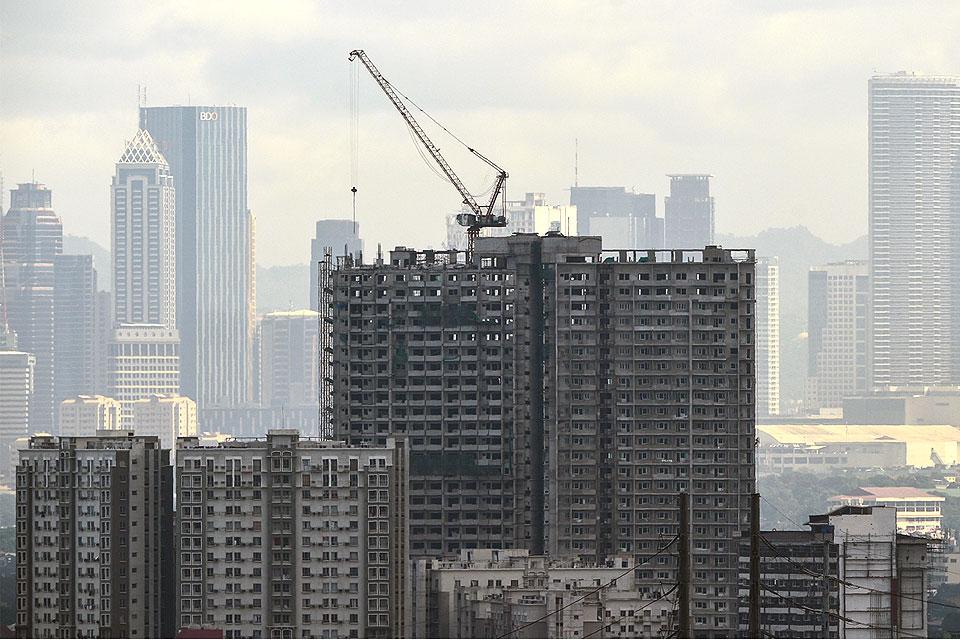
The National Economic and Development Authority (NEDA) is expecting a rosier picture of the country’s economic growth performance in the first three months of 2025.
In a chance interview with reporters, NEDA Secretary Arsenio Balisacan said with “inflation numbers… private consumption is quite sensitive to inflation and with inflation going down and the labor market remaining robust, we have a good first quarter.”
The country’s inflation — which measures the rate of increase in the prices of consumer goods and services — slowed down in February to 2.1% from 2.9% in January amid the easing of growth in food and utilities costs.
Employment rate stood 95.7% in January this year, albeit lower than 96.9% seen in December 2024.
Balisacan said the government will stick to its growth targets for now amid the upcoming Development Budget Coordination Committee (DBCC) in the middle of the month.
“We’’re sticking to that [target]…,” he said.
For 2025, the DBCC is projecting the country’s gross domestic product (GDP) to grow by 6% to 6.5%.
Amid global uncertainties arising from US President Donald Trump’s protectionist stance, the NEDA chief said the Philippines should focus on expanding its trading partnerships with other countries.
“We should be more aggressive with pushing for FTAs (free trade agreements) with other countries. We need to expand to diversify our markets and move to areas where we can possibly benefit,” Balisacan said.
“We are watching carefully and we have to make our economy resilient. Obviously, it's for our good if the economic environment globally is stable because part of our diversification effort is to enhance our investment, our capacity to attract investments and to export more, to use the global economy as part of the world,” he said.
PCB framework
Meanwhile, the NEDA and the Department of Budget and Management (DBM) signed a Joint Memorandum Circular (JMC) to strengthen the government’s budgeting approach in support of the nation’s development objectives and priorities.
JMC institutionalizes the Program Convergence Budgeting (PCB) framework to improve inter-agency coordination in government planning, programming, and budgeting.
This approach ensures that resources are strategically directed toward high-impact programs that align with the administration’s socioeconomic agenda and the Philippine Development Plan (PDP) 2023-2028.
“The PCB helps us operationalize the ‘whole-of-government’ and ‘whole-of-society’ approach to implementing our plans and ultimately achieving desired outcomes such as rapid and sustained economic growth, high-quality job creation, and accelerated poverty reduction,” Balisacan said.
The JMC also establishes the PCB Steering Committee, co-chaired by NEDA and DBM, which will oversee and harmonize government programs, activities, and projects.
This mechanism seeks to strengthen the impact of public spending in the country by eliminating redundancies, addressing implementation gaps, and ensuring better resource utilization. — BAP, GMA Integrated News

