

 GMA Brandtalk
 Tracking
 Archives

World Bank OKs $800-M loan for PH reforms in clean energy, electricity, water
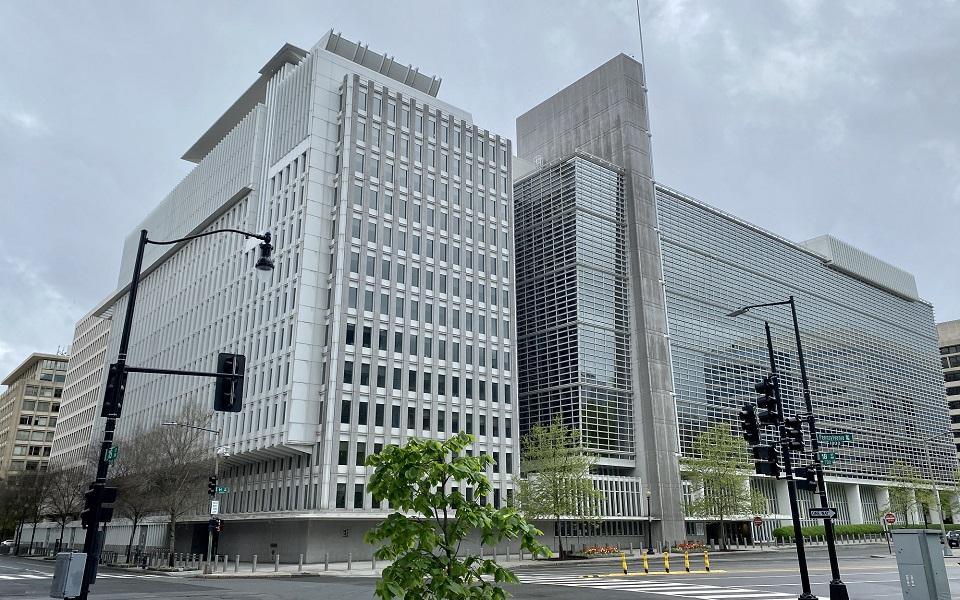
Multilateral lender World Bank has approved multi-million dollar loan financing to support the Philippine government's efforts in reforming its clean energy, electricity market, and water management sectors.
In a statement on Wednesday, the bank said its Board of Executive Directors has given the thumbs up for the $800-million, or about P45.6 billion, "First Energy Transition and Climate Resilience Development Policy Loan."
The loan would be a rapidly disbursing financial support operation aimed at accelerating energy transition and increasing resilience to climate in the Philippines.
The financing initiative would be aimed at scaling up the adoption of clean energy technologies, increasing the security, flexibility, and competition of electricity markets, and improving water management across water uses, according to the lender.
"Focusing on renewable energy sources and using energy more efficiently can help the country reduce electricity costs, improve energy security, and cut down on pollution," said Zafer Mustafaoglu, World Bank division director for the Philippines, Malaysia, and Brunei.
"Using more affordable renewable energy in the energy and transport sectors is crucial for the Philippines to build a strong economy," said Mustafaoglu.
The World Bank said investing in energy transition by focusing on local renewable energy sources, energy efficiency, and other clean energy sources can help lower electricity generation costs in the Philippines, while increasing energy security.
Expanding the proportion of consumers that can choose their electricity supplier and improving the framework for competitive procurement of renewable energy will contribute to lowering electricity prices by increasing competition in the sector, it said.
"To accelerate energy transition and keep electricity affordable for all Filipinos, the Philippines needs reforms to ensure achieving the government's renewable energy and energy efficiency targets, improving grid capacity and flexibility, and enhancing competition in electricity markets," said Feng Liu, World Bank senior energy specialist and task team leader of the operation.
"These reforms can help lower power supply cost and improve the reliability and resilience of the power system, thereby making electricity more affordable and reliable for Filipino households and businesses," said Liu.
The World Bank said clean energy reforms are expected to raise the share of renewable energy in installed generation capacity from 30% in 2023 to 42% by 2027, support the procurement of 1,000 megawatts (MW) of new offshore wind capacity, and implement energy efficiency measures saving five gigawatt-hours (GwH) annually.
The World Bank said its financial support operation will also help improve governance and cohesiveness in the water sector by introducing policy reforms for water resources management and water supply and sanitation by promoting better coordination between national and local governments.
"These reforms in the water sector are expected to increase access to safely managed water supply and sanitation services; raise funding and financing for water and sanitation projects; and improve the financial sustainability of local government-run water service providers," said Maria Fiorella Fabella, World Bank senior water supply and sanitation specialist.
"Ultimately, the DPL (development policy loan), a first for the Philippine water sector, is a move toward more effective coordination, planning and management across sectors and levels of government," said Fabella. — VDV, GMA Integrated News

