

 GMA Brandtalk
 Tracking
 Archives

SEC orders ‘declassification’ of common shares
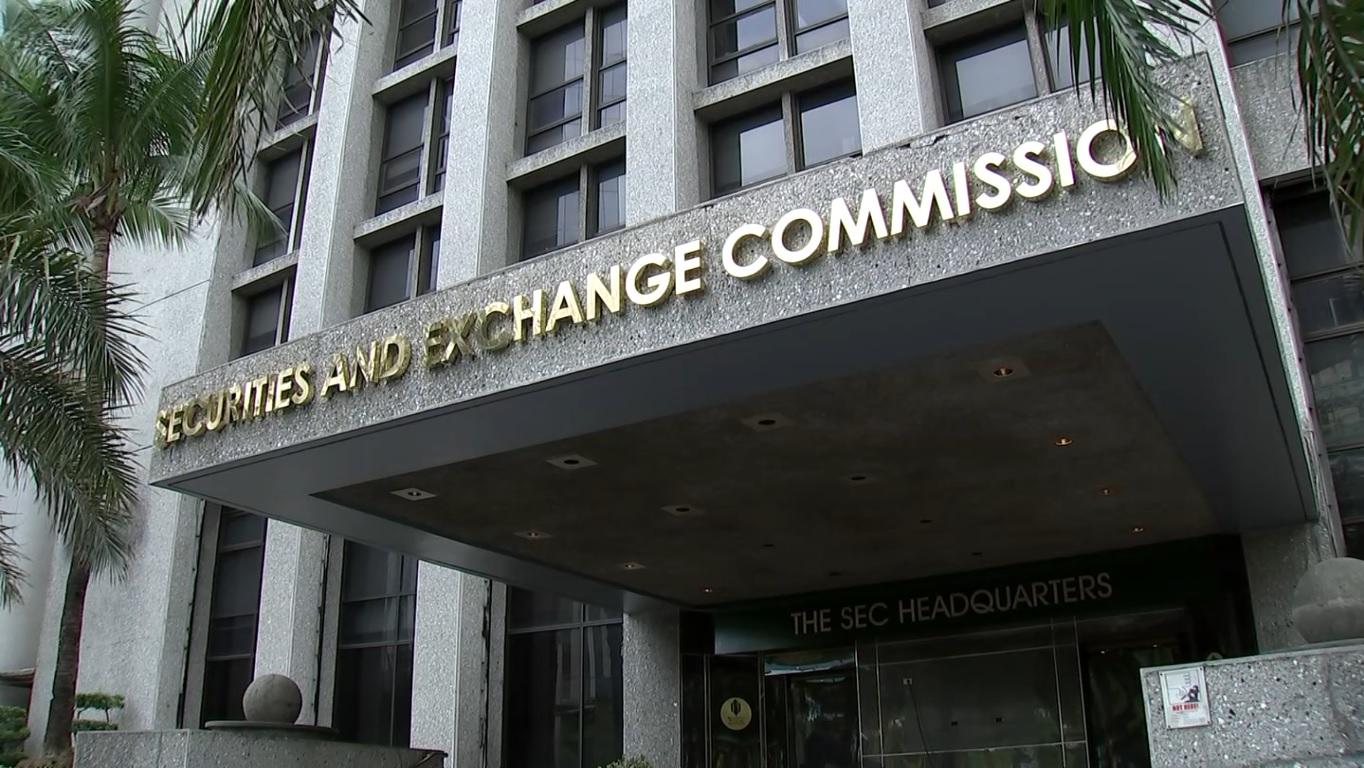
The Securities and Exchange Commission (SEC) on Friday announced it has directed all listed companies to discontinue the classification of common shares, which was previously imposed to monitor foreign ownership limits in a bid to ensure efficiency in executing and settling equity trades.
In a statement, the SEC said it issued SEC Memorandum Circular (MC) No. 10, Series of 2025, providing for the “Repeal of the Rules Allowing the Trading of ‘B’ Shares on the Regular Board and Requiring Buyers to Accept either ‘B’ or ‘A’ Certificates.”
The corporate regulator said the latest guidelines repeal an old rule issued by the SEC back in 1973 “to monitor strict compliance with the 40% foreign ownership limit of stocks.”
Under the said 1973 rules, Class A shares can only be issued to Filipino citizens, while Class B shares may be issued to Filipinos and foreigners alike.
However, it said the classification resulted in unfair disparity in price between Class A and B shares.
“Such classification has also been the source of administrative inefficiencies for trading participants and the Securities Clearing Corporation of the Philippines,” it said.
“Further, technological advancements in the Philippine Stock Exchange’s trading system—which enables strict monitoring and enforcement of foreign ownership limits—have already rendered the classification obsolete,” it added.
The SEC said it has directed the declassification of such shares of listed companies as early as 1997.
“However, shares that were already classified as Class A and B remained as such due to the prospective application of the order,” it said.
With this, the corporate regulator said that to ensure efficiency in executing and settling equity trades, “the classification of common shares into Class A and Class B of all listed companies shall be discontinued.”
Under the memorandum circular, listed companies that have Class A and B shares are required to amend their respective articles of incorporation (AOI) to reflect the mandated declassification of shares within one year from the effectivity of the rules.
“During the period to amend AOI, buyers on the regular board shall accept the delivery of the specific class of shares that they have purchased and paid for, and shall not be compelled to receive an alternative class of shares,” the SEC said.
“In the event that a trade resulted in a breach of allowable foreign ownership limits, the foreign buyer, through its broker, shall immediately dispose of the excessive shares, as soon as practicable, upon discovery of the breach at the prevailing market price,” it added.
The proceeds shall be returned to the foreign investor, according to the SEC.
“If the breach is found during trading hours, the shares exceeding the foreign ownership limit should be disposed of immediately upon discovery, within the same trading day. Otherwise, the disposition should be done upon the opening of trading on the immediately succeeding trading day,” the corporate regulator said.
“Violation of the MC shall be subject to appropriate penalty, after notice and hearing, under Section 54 of Republic Act No. 8799, or the Securities Regulation Code,” it said. –NB, GMA Integrated News

