

 GMA Brandtalk
 Tracking
 Archives

What is a flood control project?
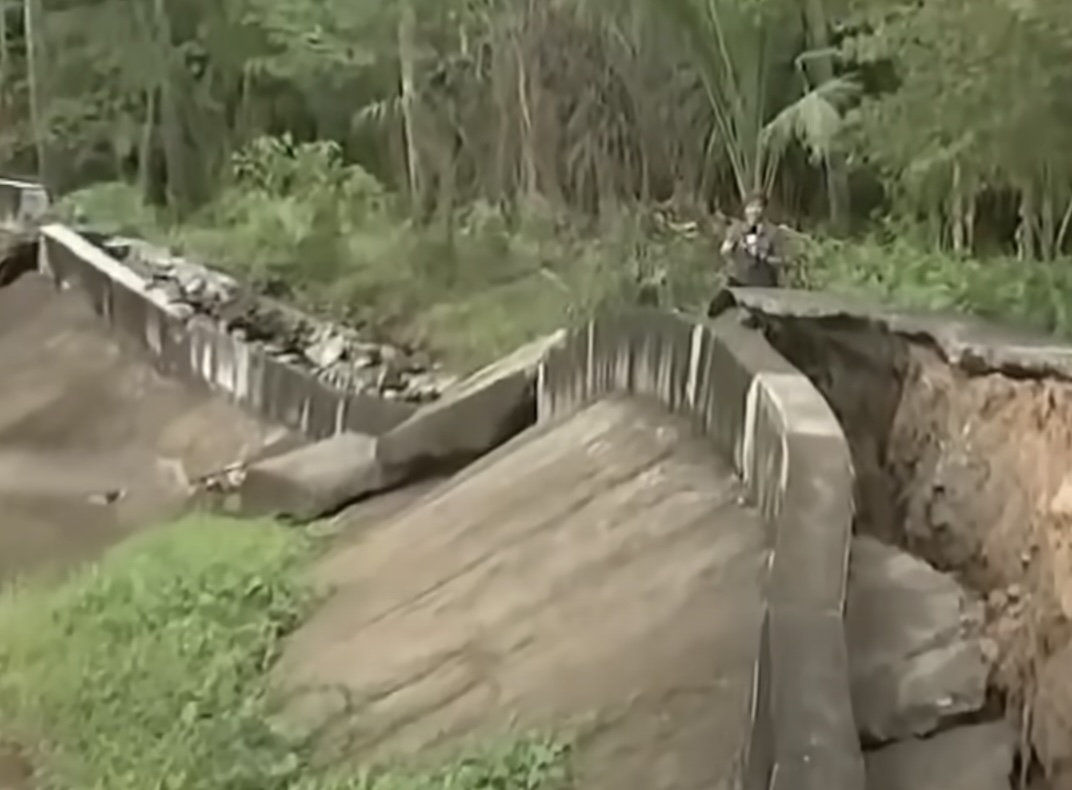
Flood control projects have been making headlines since President Ferdinand "Bongbong" Marcos Jr. revealed that only 15 contractors have cornered 20% of the P545 billion worth of flood control deals, and inspected the locations of the concrete civil works.
While some dikes bore holes that exposed steel bars and had pieces that crumbled with the press of one's bare hands, some flood control projects were nowhere to be seen at their supposed locations. They were "ghosts."
What are flood control projects and, if they're to protect communities from floods, how strong should they be?
Simply put, a flood control project is a structure meant to protect lives and property from flooding, according to Department of Public Works and Highways Malabon-Navotas District Engineering Office Planning and Design Section OIC Mark Peter Recto.
Based on the DPWH and Japan International Cooperation Agency’s Guidelines for Planning and Design, flood control structures can be divided into the following categories according to purpose. These are:
- To increase the river discharge capacity or to protect the flood-prone area from overflow;
- To reduce and/or control the peak discharge of the flood;
- To prevent inland flood;
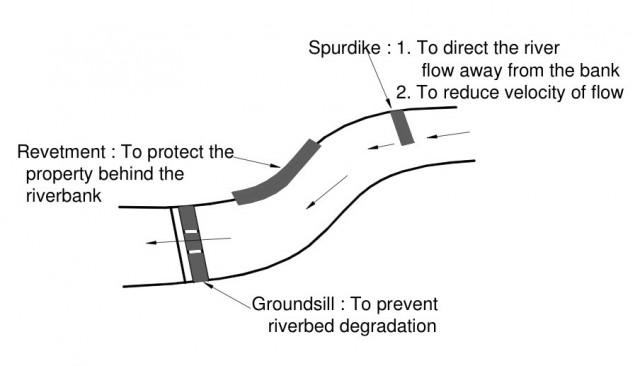
- To prevent bank collapse and harmful degradation of the riverbed; and
- To prevent obstruction against river flow and/or maintain/conserve the good condition of the river to keep the flow uninterrupted.
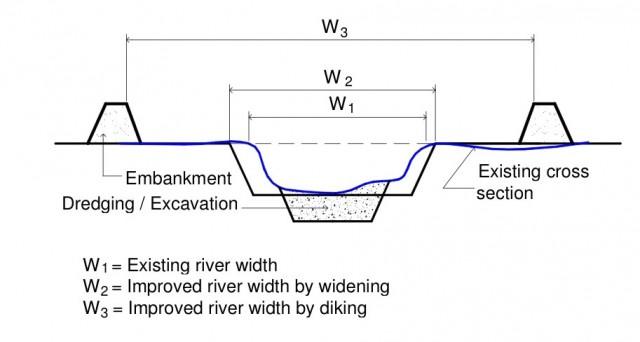
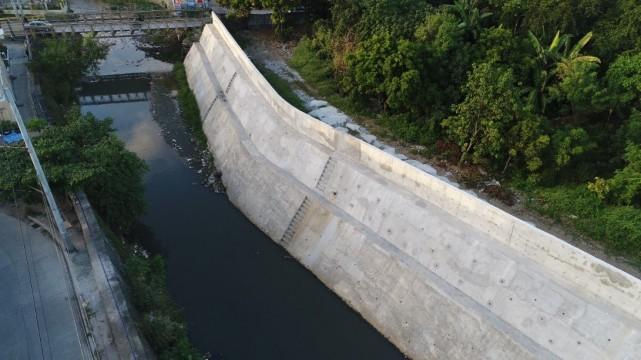
Increasing river flow capacity could be done by constructing dikes or levees, widening the waterway or river, dredging, or a combination of all.
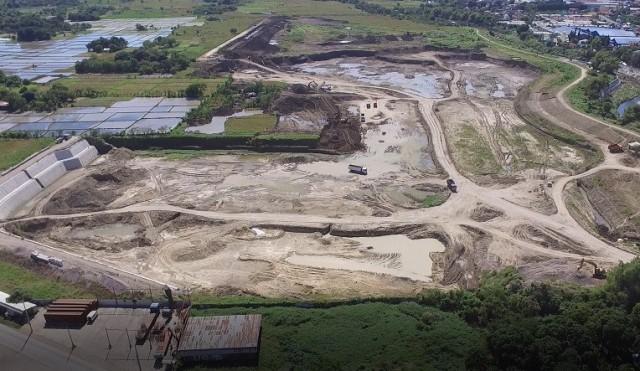
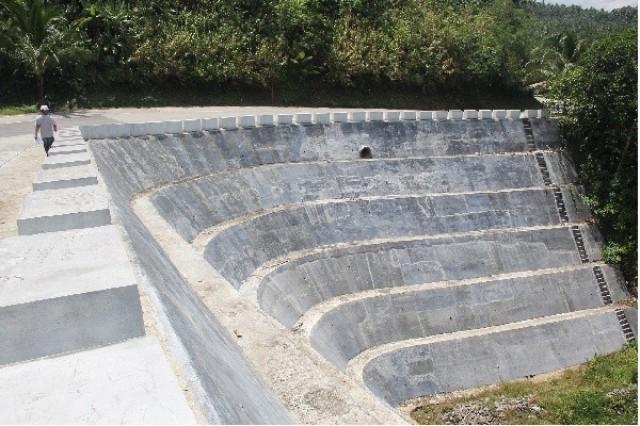
Reducing or controlling a flood’s peak discharge could be done through the construction of dams or retarding basin.
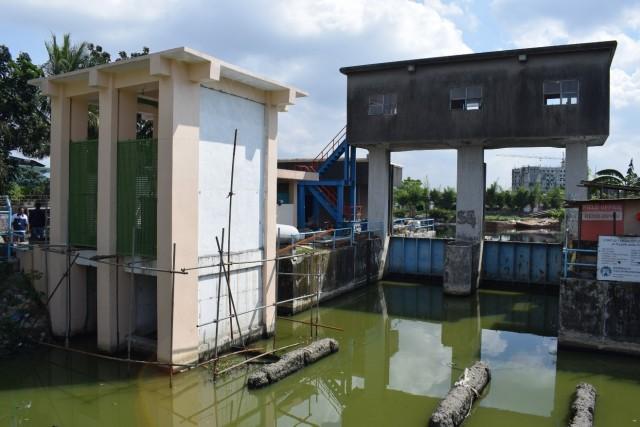
Preventing inland flooding could be done by constructing canals, ditches, or pumping stations.
To prevent bank collapse can be done through putting revetments, spur dikes, and a ground sill to prevent riverbed degradation.
Conserving the good condition of the river in order to keep the flow uninterrupted could be done by sabo works for sediment control and by regular maintenance, such as channel excavation or dredging.
Based on JICA’s technical standards for flood control structures, “the economic life of flood control facilities is assumed to be 50 years.”
Meanwhile, based on the DPWH’s recognition and de-recognition of infrastructure assets, flood control systems should have an “estimated useful life” of 25 years.
Amid the attention drawn by flood control projects, some of them have been shown to have fallen short of the standards of the JICA and the DPWH.
For instance, a dike worth P250 million that was supposed to mitigate the flooding woes in Baco, Oriental Mindoro, was damaged only after seven months since it was constructed in April last year.
Nearly half of the 220-meter dike collapsed in December amid heavy rains and floods.
In Balagtas, Bulacan, a dike worth P151.5 million is already undergoing repairs even though it was only finished late last year.
The flood control structure spanning more than 200 meters across barangays San Juan, Wawa, and Panginay is considered the most expensive project in the province.
Although it was declared finished in September 2024 as per the Sumbong sa Pangulo website, GMA Integrated News found that some portions of the dike are undergoing repair.
The dike is being reinforced with gravel-filled sacks and topped with concrete. Meanwhile, truckloads of materials are continuously arriving, the report added.
Recto offers an estimate closer to experience.
With proper maintenance, Recto said a typical flood control structure “could last for five years.”
Design and capacity of a flood control structure also depend on a “case-to-case basis”, such as soil properties of the structure’s location.
He said the timeline to complete a flood control project would also depend on the complexity of the project’s design.
“Mas complicated, mas matagal tapusin,” Recto said.
(If the structure is more complex, it will take more time to finish.)

