

 GMA Brandtalk
 Tracking
 Archives

Inflation rate speeds up to 1.7% in September 2025
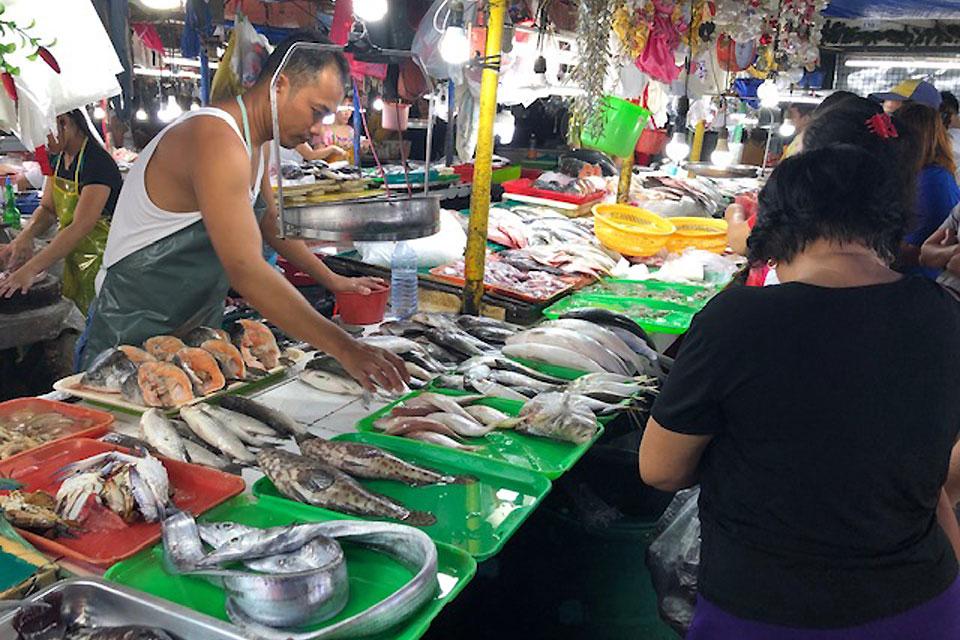
The country’s inflation rate accelerated for the second straight month in September 2025 on the back of higher transportation and food costs during the period, the Philippine Statistics Authority said Tuesday.
At a press conference, National Statistician and PSA chief Claire Dennis Mapa reported that last month’s inflation print —which measures the rate of growth in prices— moved up to 1.7% from 1.5% in August.
Year-on-year, September’s inflation rate was slower than the 1.9% rate seen in September 2024.
Last month’s rate brought the year-to-date national average inflation from January to September 2025 to 1.7%, falling within the government’s comfortable ceiling of 2% to 4%.
The main contributor to the acceleration of inflation in September 2025 was Transport index’s move to the positive territory after being in the negative since February.
In particular, Transport inflation grew to 1% from -0.3% in August. This had a share of 71.3% to the overall uptrend.
Mapa said the weekly increases in the pump prices of diesel and gasoline seen last month were the main culprits in the faster inflation for the Transport index.
Diesel cost moved up to 5.1% from -0.8% while gasoline saw a slower deceleration at -0.9% from -6.1% month-on-month.
The Food and Non-Alcoholic Beverages index was the second main contributor to the inflation uptick last month with a share of 22.9% and an inflation rate of 1% from 0.9% in the prior month.
The main factor for higher inflation print for the Food and Non-Alcoholic Beverages index was the surge in vegetable cost to 19.4% from 10% month-on-month amid the storms and flooding experiences in vegetable producing provinces, according to the PSA chief.
This was also the highest inflation rate for vegetables since January 2025 when it clocked in at 20.1%.
In a statement, Department of Economy, Planning, and Development (DEPDev) Secretary Arsenio Balisacan said the September inflation figures still “point to manageable price movements despite recent supply-side pressures.”
Food inflation
Food inflation —which tracks the price movements of food items in a "basket" commonly purchased by households— grew to 0.8% from 0.6% in August, but still slower than the 1.4% food inflation rate seen in September 2024.
Apart from vegetables, also contributing to the slight uptick in food inflation was the slower contraction in corn at -4.5% from -11.% in the prior month.
Oils and fats, likewise, saw faster hikes of 9.3% from 8.9%.
Rice inflation continued to be in the negative territory, albeit slower at -16.9% compared to the -17% rate in August 2025, still reflecting lower farmgate and international prices despite reduced import arrivals following the rice import ban.
Meat inflation, meanwhile, eased to 6% from 7.1% as both chicken and pork prices moderated. Fish and other seafood also cooled down to 7.9% from 9.5%.
“The slight uptick in inflation underscores the sensitivity of domestic food prices to supply disruptions. We are working closely with various agencies to stabilize supply, keep essential goods affordable, and safeguard household welfare,” Balisacan said.
The DEPDev chief said the government remains committed to securing adequate food supplies and tempering price pressures such as allowing the importation of select vegetables like carrots, onions, and broccoli as part of stabilization measures.
“The Department of Agriculture will also establish food corridors to minimize supply disruptions. These will feature greenhouses, storage, and post-harvest facilities that can strengthen the resilience of our food systems,” Balisacan said.
Moving forward, the country’s chief economist highlighted the importance of boosting productivity and competitiveness in the rice sector.
“This requires addressing constraints from fragmented farmlands, investing in research and modern technologies, improving post-harvest and marketing systems, and expanding farmers’ access to credit, insurance, and institutional support. These steps will help farmers better adapt to market shifts and climate risks,” Balisacan said.
The Bangko Sentral ng Pilipinas, meanwhile, flagged supply-side risks from tariffs and food prices amid the inflation.
“Nonetheless, higher rice tariffs and rising global food prices could raise supply-side pressures over the policy horizon,” the BSP said.
“Meanwhile, higher electricity rates could be offset by expectations of subdued global oil prices owing to a stable production outlook,” it added.—AOL, GMA Integrated News

