

 GMA Brandtalk
 Tracking
 Archives

DTI seeks Customs’ help vs. dumping of imported goods on PH
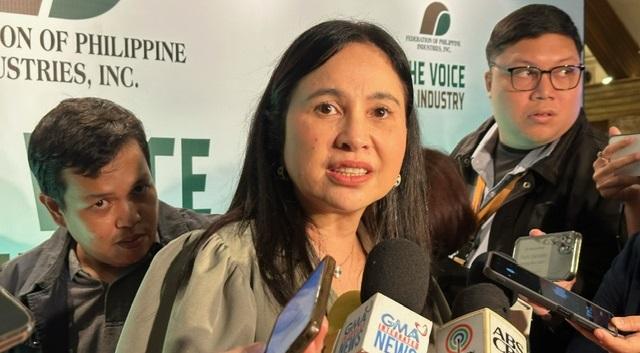
The Trade department is warning against the "dumping" of importing goods on the local market as a result of the tariffs imposed by the US.
"A lot of dumping is expected to happen. Especially the tariff of the US, medyo challenging ang tariff ng US [the US tariffs are rather challenging], so we are expecting a lot of goods to be brought in here like goods for China, goods from Vietnam and so many other countries," Trade Secretary Cristina Roque said during The Voice of Industry Business Summit 2025 on Wednesday.
With US President Donald Trump upending global trade with steep tariffs on imports from dozens of countries, including the Philippines, countries are bracing for the possibility of import dumping: the practice of selling products in foreign markets at cheaper prices than local products, which could adversely affect local industries.
Roque said Philippines is an attractive market for dumping due to its big population. "Southeast Asia, all of us trade ministers, when we talk, 'yun ang ine-expect namin, na magkaka-dumping [that is what we expect, that there will be dumping], especially for us. We have 115 million Filipinos, so the market is big here."
Federation of Philippine Industries chairperson Beth Lee said the key is striking a balance of protecting local producers so that prices will not go up for consumers if products get dumped here. "That's going to affect actually the local manufacturers," she said.
"Now the local manufacturers employ a lot of Filipinos and then those Filipinos also in turn consume the products that we produce, so it's important that we have a balance in terms of mitigating measure for some tariff in order to discourage dumping measures."
Faced with the dumping threat, Roque is seeking the help of the Bureau of Customs to counter the possible effects.
Customs Commissioner Ariel Nepomuceno for his part said digitalization of processes and stricter inspection of goods could deter dumping.
"Hihigpitan natin yung usual problem ng misdeclaration," he said. "Ibig sabihin, kung ano yung laman, yun din dapat makita natin sa dokumento. Malaking deterrent 'yan, 'yung pagbabantay nang mahigpit against misdeclared imported items."
(We will tighten our inspections against the usual problem of misdeclaration. This means, whatever the shipment's contents are, that is also what it must say on the documents. That will be a big deterrent, guarding against the misdeclaration of imported items.)
"Then pangalawa [secondly], we will really have to go back to digitalization. That's the main component to make sure na hindi mangyayari ang smuggling [that smuggling will not happen]," he added.
Customs is now in the process of working with a public-private partnership to achieve this. "Dapat nandoon talaga yung kakayanan ng system na magkaroon ng [The system should have the capability for a] full or 100 percent digitalized process," Nepomuceno said.
The FPI also stressed the importance of encouraging more production from local manufacturers to generate more economic activity and result in growth. This can happen, said Lee, by improving ease of doing business and cutting red tape. "If we can lower the cost of doing business and that will actually redound in more production, [there will be] more employment and prices will not go up." — BM, GMA Integrated News

