

 GMA Brandtalk
 Tracking
 Archives

Corruption issues seen to drag foreign investments to PH through 2026
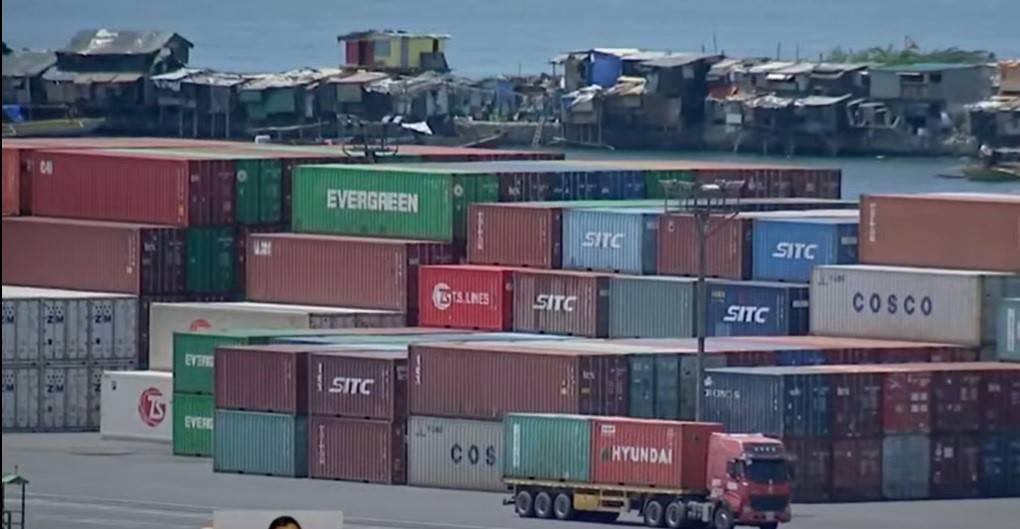
Foreign direct investments, which reported a double-digit decline in August, are expected to be dampened further by the ongoing corruption issues hounding the Philippines, Fitch Solutions unit BMI said Tuesday.
In a commentary, BMI said FDIs into the Philippines face mounting headwinds through 2026, after its share to economic growth fell to 1.3% in the second quarter, lower than the 2.5% average prior to the COVID-19 pandemic.
“The corruption scandal will dampen foreign direct investment inflows into 2026, adding to pressures from macroeconomic uncertainty and global trade tensions,” the commentary read.
“President Ferdinand Marcos Jr. raised the issue of corruption in flood-control projects in his State of the Nation Address in July. This compounded investor concerns about the global trade uncertainty,” it added.
FDIs — a key source of jobs and capital for the local economy — posted $494-million net inflows in August, reflecting a 40.5% drop from the $830 million the same month last year.
“Given the US is the largest source of remittances and accounts for 40% of inflows, we expect remittances growth to slow in 2026,” BMI said.
Both chambers of Congress are currently looking into alleged irregularities in public works spending, after President Ferdinand “Bongbong” Marcos Jr. in August disclosed that 20% of the total P545-billion budget for flood control projects went to only 15 contractors, which he described as a “disturbing assessment.”
The administration has also established the Independent Commission for Infrastructure (ICI), in response to public calls for greater transparency and accountability in infrastructure spending. It is tasked to conduct an in-depth investigation into the alleged irregularities and misuse of funds in flood control, and other infrastructure projects.
“The graft scandal has also accelerated peso weakness, with the currency bucking regional trends to depreciate by 6.6% from its May 27, 2205 peak to P58.90/USD as of November 20,” the commentary read.
The local currency on November 12 hit an all-time low of P59.17:$1, surpassing the previous low of P59.13:$1 hit on October 28, which analysts also linked to the ongoing corruption issues. It closed Monday, November 24, at P58.87:$1.
“Further depreciatory pressures lie ahead as we expect Bangko Sentral ng Pilipinas (BSP) to cut rates by 25 basis points in December meeting following slower growth in Q3 - bringing the US-Philippine policy rate differential back to the narrowest at 50 basis points,” BMI said.
BMI now expects the peso to hover around P59.00 by the end of the year, and by P59.50 by the end of 2026, with the weaker peso currently providing modest support to the trade balance for the coming year.—AOL, GMA Integrated News

