

 GMA Brandtalk
 Tracking
 Archives

DA hot on sili for 2026
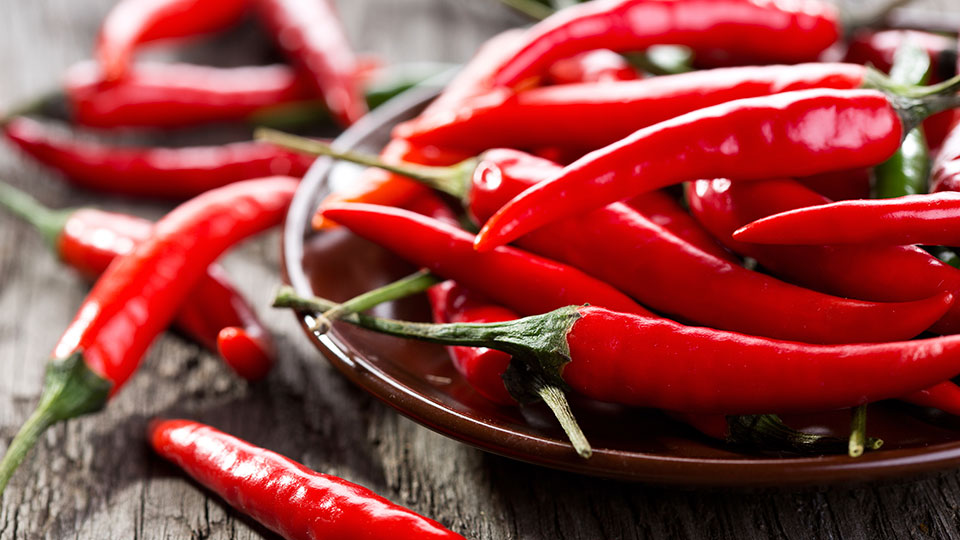
Citing the volatile price of the sili (chili pepper) during the rainy season, the Department of Agriculture (DA) is pushing a plan to ramp up production, harden farms against extreme weather, and bring more predictability to supply and prices of this popular Filipino kitchen staple.
In a statement on Suday, Agriculture Secretary Francisco P. Tiu Laurel Jr. pressed DA officials in a recent meeting to establish baseline numbers for national and Metro Manila consumption, current output, and average yield per hectare.
According to the DA, chili pepper prices routinely jump when heavy rains and typhoons damage crops, disrupting supply just as demand holds firm. In September, a kilo of the local siling labuyo sold for as high as P800 due to weather disturbances.
Tiu Laurel wants to change that cycle by pairing better data with climate-resilient production.
“We need to know how much we consume, how much we produce, and where the gaps are,” he said, adding the figures will guide how many hectares should be planted and how fast production can scale.
The DA concluded that chili peppers are not a regional niche crop. Officials stressed that they can be grown in most parts of the country, not just in Bicol, widening the pool of potential growers under the DA’s High Value Crops (HVC) program.
For 2026, chili is being lined up as a priority crop alongside munggo (mung beans), with different goals—lower prices for chili, reduced imports for mung beans.
The above-mentioned efforts address the weather which the DA considers as as the biggest risk for sili growers.
“Prices go up because crops are damaged by rain,” Tiu Laurel noted, pointing to the need for protected cultivation in strategically assigned locations.
The DA is supporting the construction of greenhouses using local materials as well as typhoon-resistant structures that can withstand strong storms to shield plants from floods and prolonged rainfall, a move that could stabilize supply even during typhoon season.
“Access to clean planting materials such as siling labuyo, siling pansigang, and grafted bell peppers will go full-swing through the DA’s Gulayan sa Bayan, a move to strengthen agri-entrepreneurship in 1,370 municipalities to address food inflation with commercial high-value crops farming and primary processing,” the DA said.
The push comes as the department tracks price movements across other vegetables in the food market.
Bell pepper prices have hovered around P250 per kilo, while munggo prices have swung widely.
The planned move could have a positive impact on the value chain, especially for businesses., with Tiu Laurel noting that a more stable sili output means fewer price spikes for restaurants, food processors, and retailers—especially during peak demand periods such as the holidays. — RF, GMA Integrated News

