

 GMA Brandtalk
 Tracking
 Archives

DA seeks balance in drafting IRRs for Marcos' order on pork imports
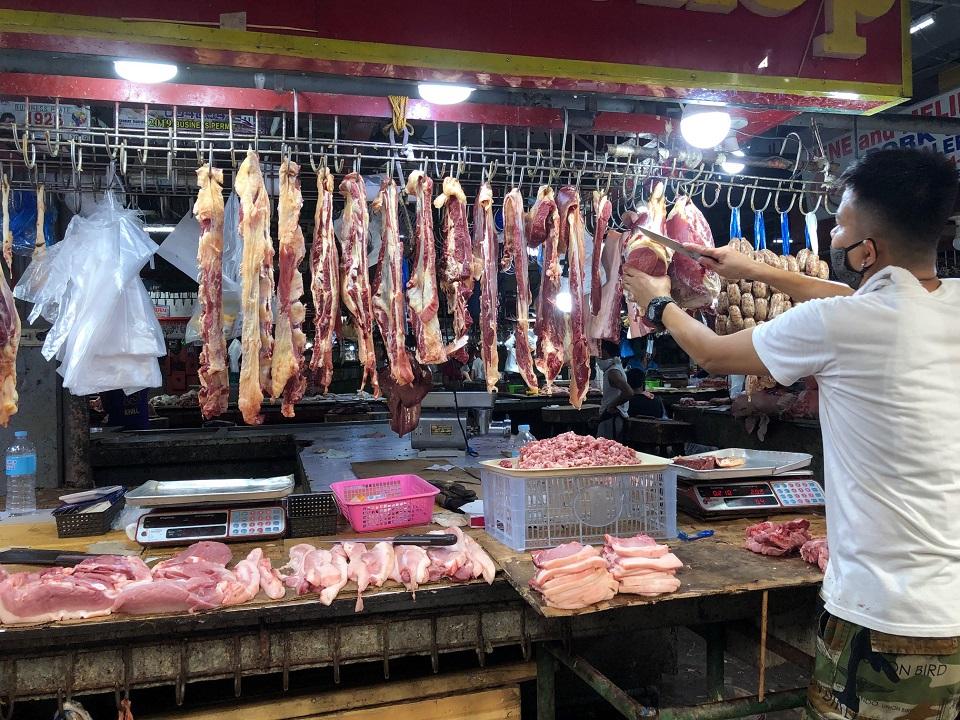
The Department of Agriculture (DA) announced Friday it is now in the process of drafting the implementing rules and regulations (IRR) for President Ferdinand "Bongbong" Marcos Jr.'s executive order increasing the minimum access volume (MAV) for pork imports.
In a statement, Agriculture Secretary Francisco Tiu Laurel Jr. said the DA will consult hog raisers, meat processors, and lawmakers in crafting the IRR for Executive Order 116 to address concerns that higher imports could undermine local producers already struggling with elevated feed, fuel, and biosecurity costs.
Last week, Marcos signed EO 116 raising the MAV on pork importation to 204,210 metric tons (MT) from 54,210 MT to augment supply and temper retail prices as the country continues to reel from the ill effects of African Swine Fever (ASF) on the national swine inventory.
The MAV will be allocated as follows:
- 30,000 MT for processors
- 120,000 MT for the Food Terminal Inc. or the Kadiwa ng Pangulo Program
"The IRR will seek a careful balance between protecting consumers from high prices, safeguarding the viability of local hog producers, and honoring the country's international trade commitments," Tiu Laurel said.
"The objective is to stabilize supply and prices without weakening the long-term competitiveness of the domestic swine industry," he said.
The DA chief said the move to raise the MAV for pork imports came as the government braces for broader inflationary pressure stemming from surging global oil prices following the recent conflict involving the US and Israel against Iran.
The Agriculture chief said rising fuel costs has pushed up transport, logistics, and food prices simultaneously, increasing pressure on the government to prevent another spike in headline inflation.
"We understand the concerns being raised by the local swine industry, especially after years of battling ASF and elevated production costs," Tiu Laurel said.
The Agriculture chief stressed that the DA also acknowledges concerns that lower tax collections from imported pork could affect funding for the proposed Animal Industry Development and Competitiveness Act, which will allocate P20 billion annually for livestock development using revenues from meat and poultry tariff.
"What we plan to pursue is a calibrated approach where imports temporarily address supply gaps while the government continues investing in rebuilding domestic hog production capacity, strengthening biosecurity, and improving long-term industry resilience," he said.
Tiu Laurel said the policy highlights the government's increasingly delicate balancing act between protecting consumers from soaring food prices and shielding domestic agriculture from excessive dependence on imports. — VDV, GMA News

