

 GMA Brandtalk
 Tracking
 Archives

DA defends Marcos EO raising pork import volume
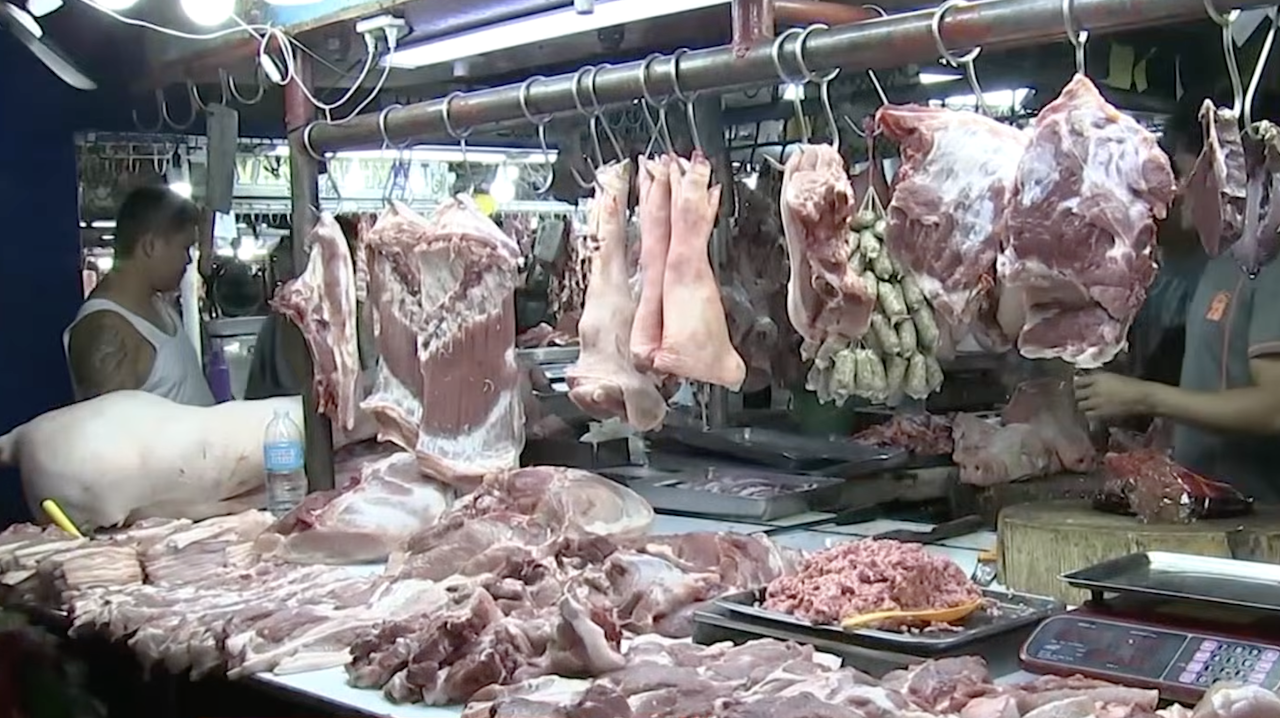
Agriculture Secretary Francisco Tiu Laurel Jr. has defended President Ferdinand Marcos Jr.’s executive order increasing the minimum access volume (MAV) for pork imports.
Marcos last week signed Executive Order No. 116, which raised the MAV for pork imports to 204,210 metric tons (MT) from 54,210 MT to boost supply and help stabilize retail prices, as the country continues to grapple with the effects of African Swine Fever (ASF) on the local swine industry.
Under the order, the MAV will be allocated as follows:
- 30,000 MT for processors
- 120,000 MT for the Food Terminal Inc. or the Kadiwa ng Pangulo program
Tiu Laurel said the increase in import allocation remains “both relevant and necessary,” citing renewed ASF risks and inflationary pressures linked to global developments, including tensions in the Middle East.
“EO 116 was crafted to help stabilize pork prices and ensure consumers have access to more affordable food,” he said, adding that “while the proposal was initiated last year, the conditions that justified it remain—and may even be more pronounced today.”
The statement came after AGAP Party-list Representative Nicanor Briones said during a June 2 congressional hearing that the MAV increase was no longer timely.
Critics have also alleged that regulatory agencies have given preferential treatment to select importers by allocating them a larger share of the MAV.
Tiu Laurel clarified that the proposal was made in 2025, when pork prices were rising and domestic supply was constrained by ASF-related losses.
“Historically, ASF infections tend to increase during the rainy season. If supply is affected again, pork prices could rise as they did before," he said.
"This measure provides an added layer of protection for consumers and serves as a precautionary food security measure,” Tiu Laurel added.
He also cited rising global oil prices and the onset of the southwest monsoon as additional risks that could further disrupt hog production and tighten pork supply.
The agriculture chief said EO 116 is not yet in effect, as its implementing rules and regulations (IRR) still need to be drafted and approved.
“EO 116 is not self-executing. The IRR will ensure that the interests of consumers, hog raisers, importers, and other stakeholders are properly balanced,” he said.
The Department of Agriculture earlier said it will consult hog raisers, meat processors, and lawmakers in drafting the IRR amid concerns that higher imports could undermine local producers already struggling with high feed, fuel, and biosecurity costs.
Tiu Laurel said the policy underscores the government’s “delicate balancing act” between protecting consumers from rising food prices and safeguarding domestic agriculture from overdependence on imports.—MCG, GMA News

