

 GMA Brandtalk
 Tracking
 Archives

Report proposes safeguards for Filipino platform workers amid climate change
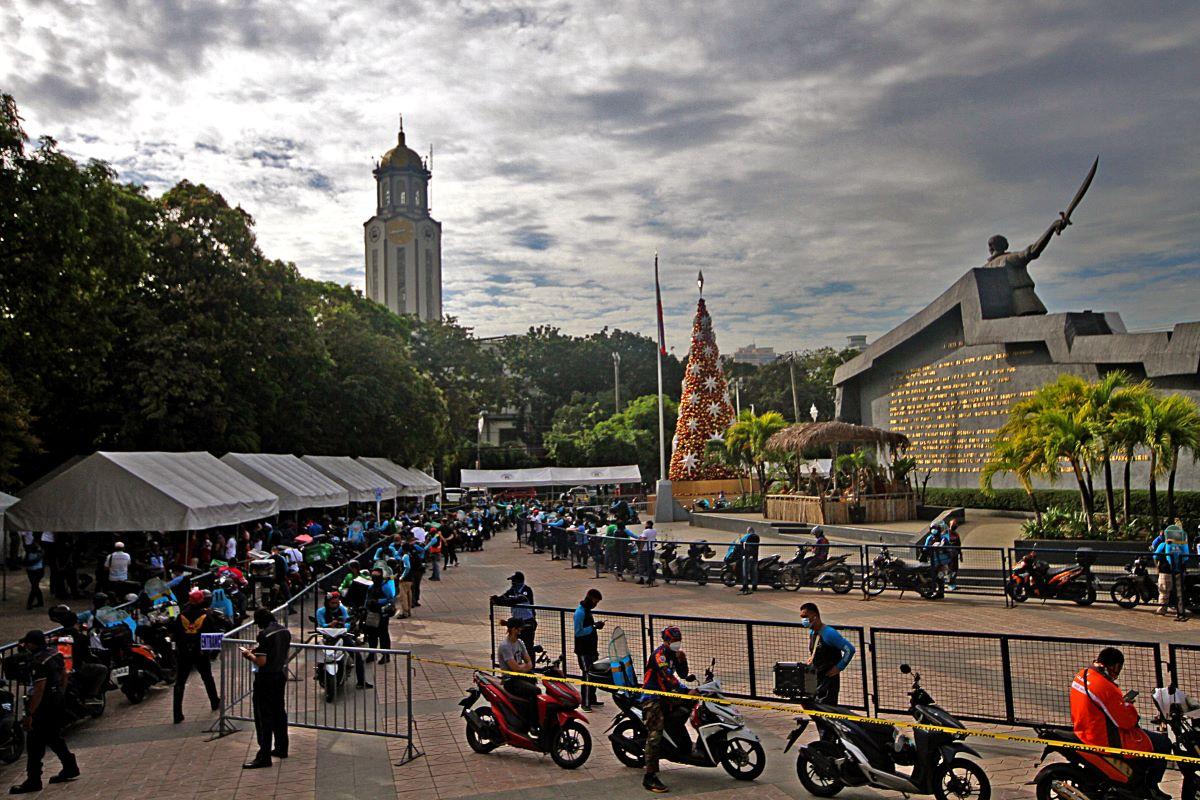
Researchers have proposed measures to protect the Philippines' 1.7 million platform workers from the impacts of climate change, a report by the Resilient Platform Work Philippines project said.
Resilient Platform Work Philippines is a project launched by the De La Salle University-Social Development Research Center (DLSU-SDRC), in partnership with the Manila Observatory (MO), to examine local platform labor in the context of climate change and rapid technological development.
Released earlier this week, the report detailed how the country's position as one of the world's most climate-vulnerable nations—frequently ranking first in the global World Risk Index—creates a dangerous environment for workers governed by algorithmic demands.
The study also highlighted a troubling reality: the inherent vulnerabilities of gig work are severely magnified by climate change.
“Ride-hailing and delivery workers have no choice but to be on the road to deliver their work, and algorithmically-pushed work does not necessarily stop during extreme heat, heavy rains, or flooding. Instead, workers may be attracted to work in light of surge pricing and higher incentives," said Dr. Cheryll Soriano, the project's principal investigator.
"For remote workers in online freelancing or cloudwork, workers require continued power, reliable internet connectivity, and ample cooling to protect computer equipment, regardless of the weather situation.”
She said climate change introduces additional financial burdens through gig disruptions, reduced bookings, damaged equipment, vehicle breakdowns, temporary relocation costs, and lost workdays during disasters.
The report also noted that if workers choose to disconnect to protect themselves, they face immediate income loss and algorithmic penalties, such as downgraded performance ratings.
To address these gaps, the study outlined policy recommendations aimed at restructuring state and private social safety nets.
"Platforms that enact full labor control and obtain commissions from gig work must be enjoined to pay meaningful compensation for work-related injuries and accidents," said Atty. Jayvy Gamboa, co-Investigator and assistant director for Policy and Governance at the Manila Observatory's Klima Center.
The report proposed several key structural reforms, including:
- Adapting state insurance: Restructuring systems like PhilHealth (specifically PhilHealth YAKAP) and the Social Security System (SSS) to accommodate the irregular, gig-based earnings of platform workers, allowing for contributory flexibility.
- Mandating private coverage: Requiring platforms to provide health and accident insurance, as well as temporary time-off benefits proportional to hours worked.
- Climate-responsive app design: Mandating that tech companies integrate disaster mapping into app navigation, suspend commission deductions during major calamities, and allow destination-setting so workers can avoid flooded or high-risk zones without penalty.
- Public infrastructure investment: Integrating climate-resilient infrastructure—such as public shelters, rest stations, and flood-resilient roads—into local government and national investment planning.
The report, which draws on interviews with more than 100 platform workers, influencer coaches, and industry pioneers across the Philippines, also underscored the need to equip Filipino gig workers with the adaptability and diversification skills needed to cope with both climate change and rapid technological advances such as artificial intelligence (AI).
"Without expanded protections, strengthened insurance and health coverage, and embedded climate resilience into labor governance, the Philippines risks entrenching a generation of workers who are simultaneously indispensable to urban life and yet uniquely unprotected from the worsening climate crisis," it said.
In June, member states of the International Labour Organization (ILO), including the Philippines, adopted a new ILO Convention establishing international standards to protect and promote decent work for gig workers.
"The next question is whether the Philippines, the Chair of the Standard-Setting Committee on Decent Work in the Platform Economy at the 113th International Labour Conference in 2025, will ratify the convention and how the specific provisions will get translated into national policy and effective access to social protection," the report said. — VBL, GMA News

