

 GMA Brandtalk
 Tracking
 Archives

Peso sinks to new all-time low at P61.847:$1
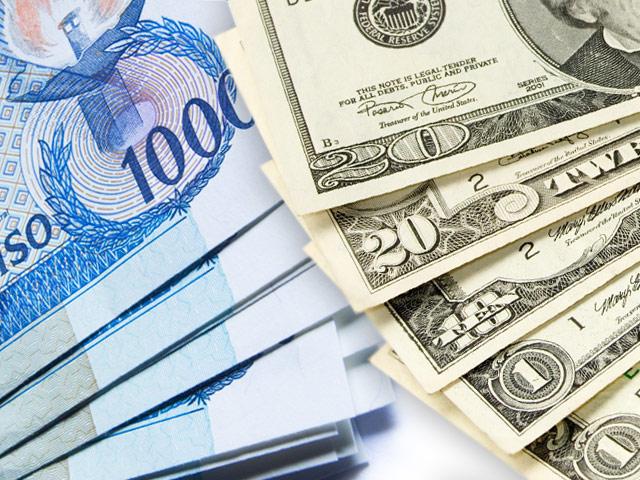
The Philippine peso sank to a fresh record low against the US dollar on Friday, pressured by surging global oil prices as the conflict between the United States and Iran continued to escalate.
The local currency closed Friday at P61.847:$1, or 9.7 centavos weaker than Thursday's finish, the previous all-time low. It opened at P61.8:$1, and recorded an intraday low of P61.85:$1 earlier during the session.
"(T)he greenback was steady on rising crude oil prices as US and Iranian attacks escalated, renewing inflation concerns," Reyes Tacandong & Co. Senior Adviser Jonathan Ravelas said in a mobile message.
"Expect the currency to range 61.90-62.10 levels in the near-term as currency makes new lows against the greenback," he added.
This comes as oil prices surged over $100 a barrel for the first since May after Houthi rebels struck two Saudi oil tankers in the Red Sea, prompting a second major shipping chokepoint amid the reescalation of conflict with the United States, as Reuters reported.
The United States is set to continue exerting pressure on Iran until it agrees to abandon its nuclear weapons ambitions and complies with any agreements it enters into, Secretary of State Marco Rubio said.
"The continued rise in energy prices is starting to put pressure on financial markets more broadly, beyond just the bond market," Capital Economics Chief Markets Economist Jonas Goltermann said in an emailed commentary.
"While central banks continue to take a measured approach to the renewed surge in energy prices, there is still plenty of scope for the turbulence in markets to ratchet higher if the US-Iran conflict continues to escalate," he added.
Fitch Solutions unit BMI last week said the peso is expected to remain "under pressure" and trade within the P61-P63:$1 range in the near term, citing the renewed escalation in the Middle East conflict, the strength of the US dollar, and the seasonal peak in import demand.
"Renewed gains in global energy prices will further weigh on the peso by pushing up the import bill and widening the trade deficit. Recent data already reflect this impact," BMI said. — VDV, GMA News

