

 GMA Brandtalk
 Tracking
 Archives

SONA 2026: Marcos touts 'sufficient' PH fuel reserves
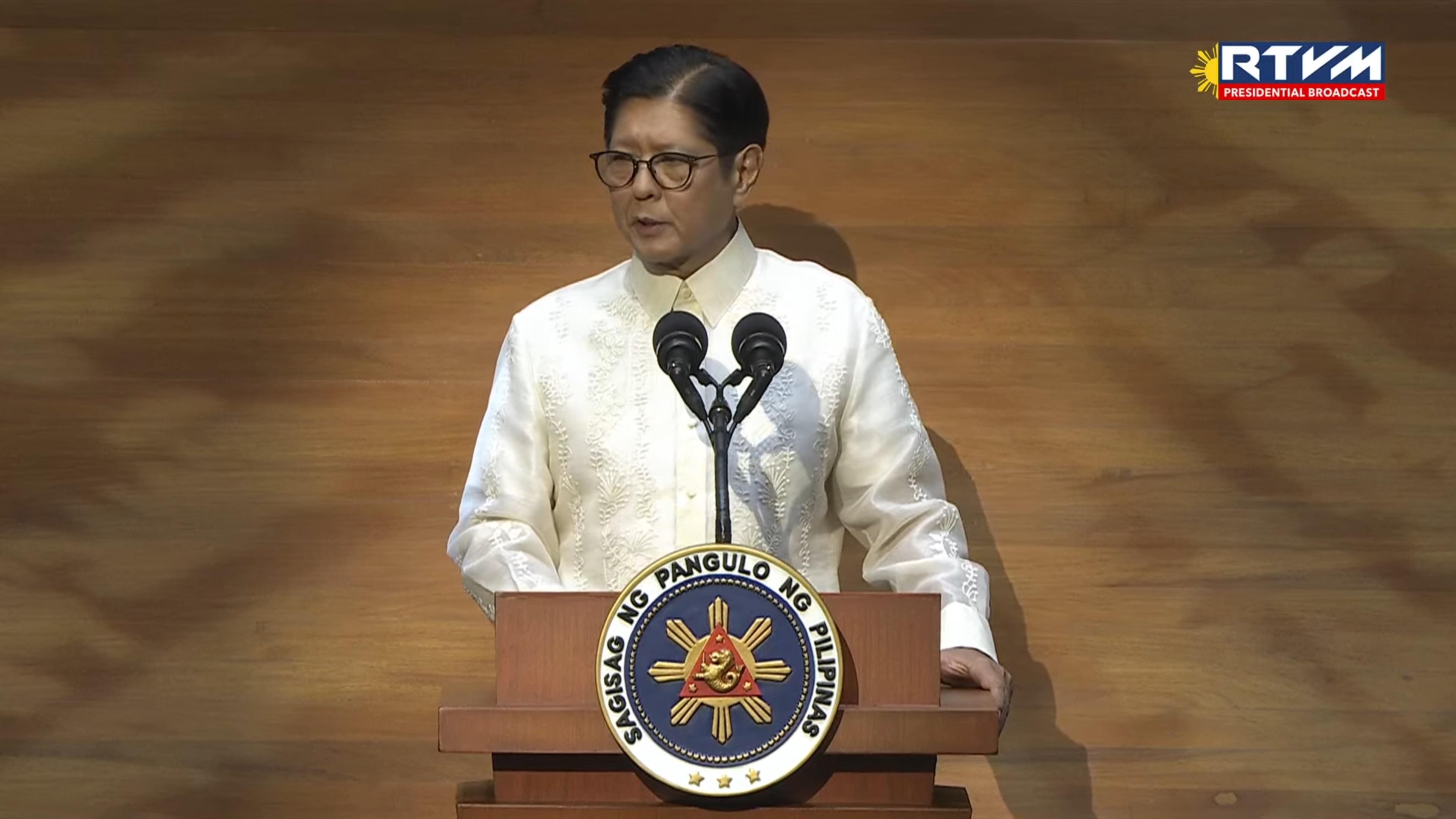
President Ferdinand “Bongbong” Marcos Jr. on Monday assured the public that the Philippines has enough fuel reserves to last nearly two months amid escalating tensions in the Middle East and the general closure of the Strait of Hormuz to traffic.
During his State of the Nation Address (SONA), Marcos said the government has coordinated with Japan, South Korea, Oman, India, Russia, and China to secure alternative fuel supplies.
“Dahil sa mga ito, natiyak natin ang sapat na supply ng bansa na tatagal hanggang halos dalawang buwan. Nakipag-usap din tayo sa Iran para sa kaligtasan ng ating libo-libong mga kababayang tripulante na nasa Strait of Hormuz,” he said.
(Because of these efforts, we have ensured that the country has enough supply to last nearly two months. We have also coordinated with Iran to ensure the safety of thousands of our fellow Filipinos working as crew members in the Strait of Hormuz.)
The Philippines, a net fuel importer, declared a state of national energy emergency in March amid concerns over disruptions to the global energy supply.
The surge in global oil prices has also pushed domestic inflation higher, reaching 6.4% in June from 1.4% a year earlier and exceeding the Bangko Sentral ng Pilipinas’ (BSP) target range of 2% to 4%.
Fuel retailers are also set to implement another major round of pump price increases this week, with gasoline prices rising by P6.80 per liter, diesel by P7.30, and kerosene by P4.20.
“Sa kooperasyon ng ating mga kumpanya ng langis, hindi naging biglaan ang pagtaas ng presyo ng petrolyo, kundi pa-unti-unti sa loob ng isang linggo. Ito’y para naman maging magaan sa ating mga nahihirapang konsumer,” Marcos said.
(With the cooperation of oil companies, the increase in petroleum prices was implemented gradually over a week instead of all at once. This was intended to ease the burden on consumers.)

