

 GMA Brandtalk
 Tracking
 Archives

EXPLAINER: Is the Philippines' record P19-trillion debt a cause for concern?
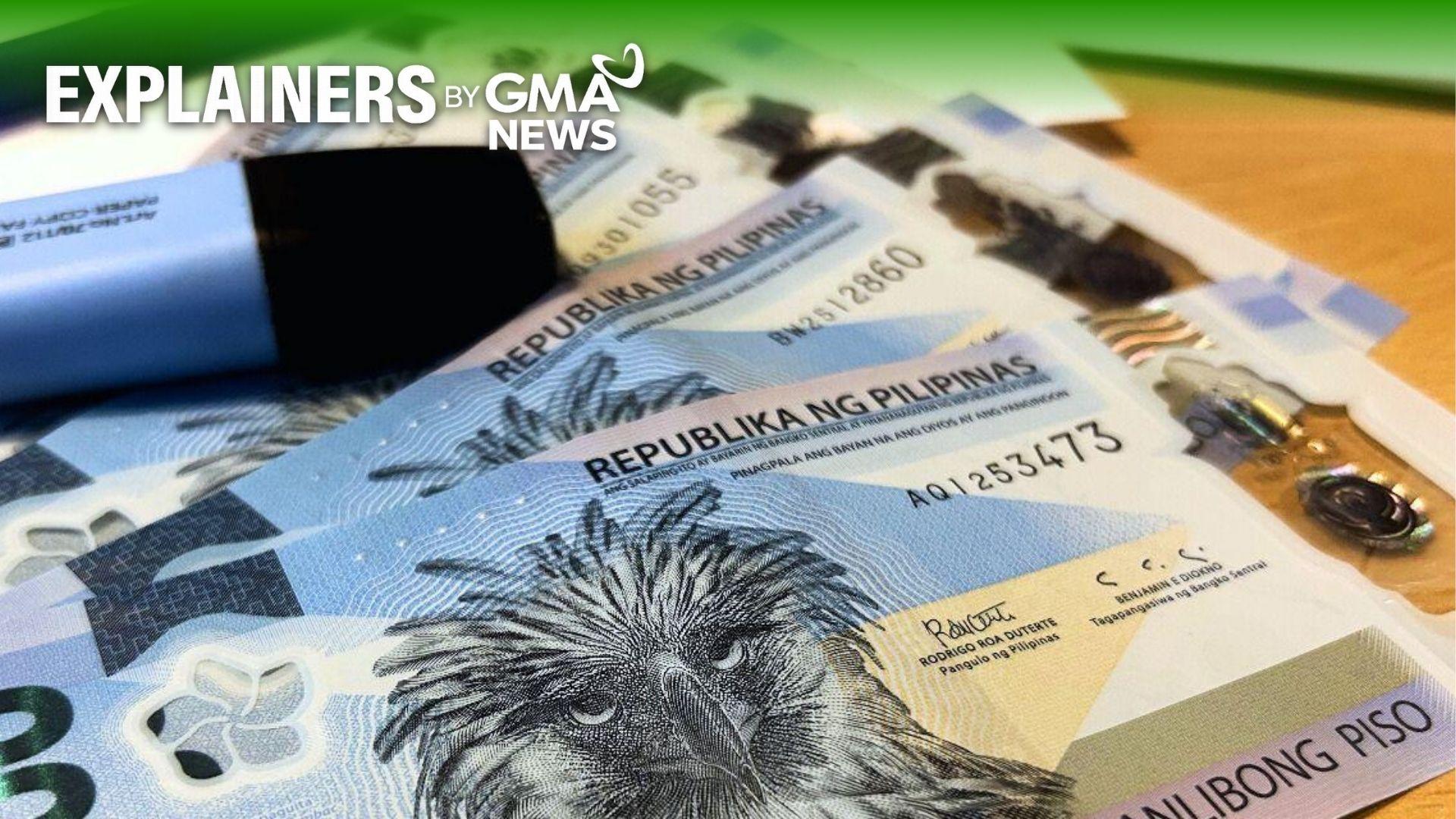
The Philippine government's outstanding debt reached a record P19.065 trillion at the end of June, according to the Bureau of the Treasury (BTr).
While the figure may sound alarming, a growing national debt is not automatically a bad thing. What matters is why the government is borrowing, how the money is spent, and whether it can continue paying its obligations.
What is government debt?
Government debt is money that the national government borrows when it spends more than what it collects from taxes and other income.
The government borrows through several means such as selling Treasury bonds and bills, or by taking loans from local and foreign lenders.
According to the BTr, the latest increase was driven by “the net availment of both domestic and external borrowings to fund national development.”
Why does the government borrow?
Borrowing allows the government to fund public services and long-term investments without relying solely on tax collections. Governments typically borrow to finance infrastructure, education, healthcare, agriculture, and other government programs.
“The national government's borrowings are used to support key infrastructure and development initiatives in education, healthcare, agriculture, and social services,” the BTr said.
For 2026, the government plans to collect P4.81 trillion in revenues, but spend P6.793 trillion leaving a gap that will largely be bridged by borrowing. The government’s 2027 spending program is proposed at P7.2 trillion, while the government plans to collect P5.21 trillion.
Why is most of the debt borrowed locally?
As of end-June, domestic borrowing accounted for P12.837 trillion or 67.33% of the P19.065-trillion debt. The BTr said prioritizing peso-denominated borrowing helps “reduce exposure to exchange rate volatility.”
This means that borrowing in peso gives the government does not have to repay more due to the peso’s weakness against other currencies.
Does this mean every Filipino has debt?
The debt belongs to the national government—not individual Filipinos. This is then repaid over many years using taxes and other revenues.
While taxpayers ultimately help fund government spending, individuals do not receive a bill for a share of the national debt.
What does this mean for ordinary Filipinos?
Borrowed money can benefit Filipinos if it is used for projects that improve daily life such as roads, hospitals, and schools.
Borrowing, however, comes with interest payments. As these costs rise, a bigger portion of the national budget goes toward paying creditors, leaving less money available for other government programs and services unless revenues also increase.
Is growing debt a bad sign?
Not necessarily. Many countries borrow to finance development and economic growth. What matters is that this remains manageable, and they generate benefits that outweigh the costs.
Economists look at measures such as the debt compared with the size of the economy (debt-to-GDP ratio), the government’s ability to pay, and how the borrowed funds translate to tangible projects.
A record debt does not automatically mean the country's finances are worsening. Economists generally look beyond the headline figure and look more into the government’s capacity to fulfill its obligations and whether these funds are being used to support economic growth and improve public services. –NB, GMA News

