

 GMA Brandtalk
 Tracking
 Archives

DA warns of lower Q3 palay harvest amid El Niño threat
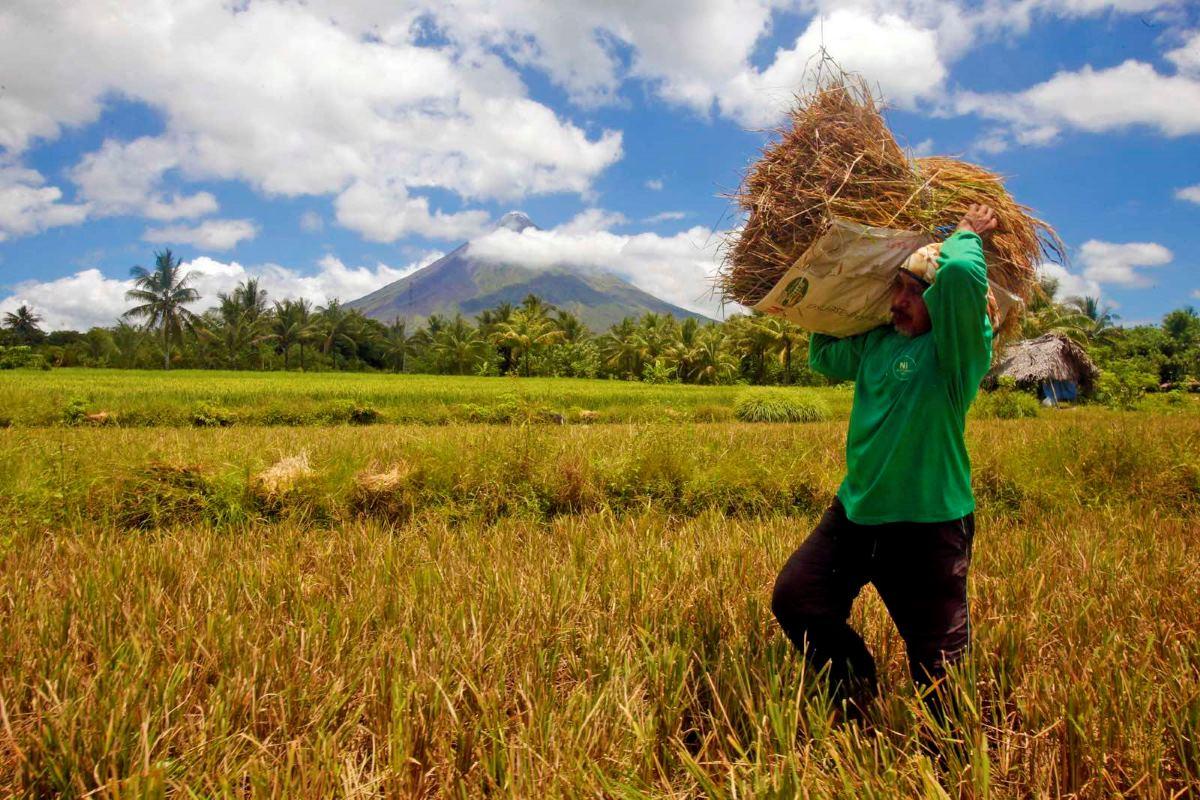
The country's palay, or unhusked rice, production is expected to decline in the third quarter of 2026 due to the effects of the developing El Niño, the Department of Agriculture (DA) said Wednesday.
Citing data from the Philippine Statistics Authority (PSA), the DA said that based on standing crops as of July 1, 2026, the PSA projects third-quarter palay production at 3.25 million metric tons (MT), down 13.3% from 3.75 million MT in the same period last year.
The lower July-to-September production forecast comes despite stronger second-quarter output, with palay production reaching 4.63 million MT, up from 4.38 million MT a year earlier.
The Agriculture Department said initial field reports indicate that delayed planting in some areas, caused by the late onset of rains and delays in irrigation water delivery, could affect production. These challenges underscore the need for timely interventions as El Niño conditions are expected to develop in the coming months.
The agency noted that while the PSA's estimate reflects crops already established at the time of assessment, it continues to closely monitor succeeding planting areas through field validation and remote sensing as weather conditions evolve.
To manage risks, the DA said it is adopting a more flexible supply management strategy that balances continued support for domestic production with the timely arrival of rice imports.
Rather than suspending rice imports during the harvest season, the department said it will maintain the current import policy to help ensure adequate rice stocks ahead of the 2027 dry season harvest while continuing to support local farmers.
Rice import arrivals reached 3.5 million MT as of August 2, 2026.
"Food security means being proactive. We must keep farmers planting despite higher costs and the threat of El Niño," Agriculture Secretary Francisco Tiu Laurel Jr. said.
Tiu Laurel said the DA is applying lessons from the 2024 El Niño by shifting its strategy from crisis response to early preparation to safeguard both food supplies and farmers' incomes.
Despite the weaker third-quarter outlook, the agriculture chief said the strong second-quarter harvest helped offset the weaker first-quarter performance, keeping first-semester palay production at around 9 million MT and providing a stronger foundation for the second half of the year.
According to the DA, the robust harvest has given the government room to rebuild rice inventories through the National Food Authority (NFA), although officials expect growing challenges in the months ahead.
To sustain planting during the wet season, the DA said it is complementing its supply management strategy with stronger support for local farmers.
The NFA has been directed to expand palay procurement, while the government continues to provide financial assistance, crop insurance, irrigation support, quality seeds, mechanization services, and investments in drying, storage, and other post-harvest facilities to help farmers cope with rising production costs and climate risks.
The NFA aims to procure about 500,000 MT of palay during the wet season harvest at a minimum buying price of P21 per kilogram for wet palay and P25 to P27 per kilogram for dry palay.
The grains agency's procurement budget has also been increased to P12 billion, with the option to raise it to P20 billion if needed, from P9 billion in 2025.
The DA added that it is also expanding sales under its Benteng Bigas, Meron Na! program, with rice distributed through KADIWA ng Pangulo under the P20-per-kilo initiative targeted to double to 40,000 MT per month. — MCG, GMA News

