

 GMA Brandtalk
 Tracking
 Archives

DOE says it's fast-tracking waste-to-energy push, sets auction in October 2026
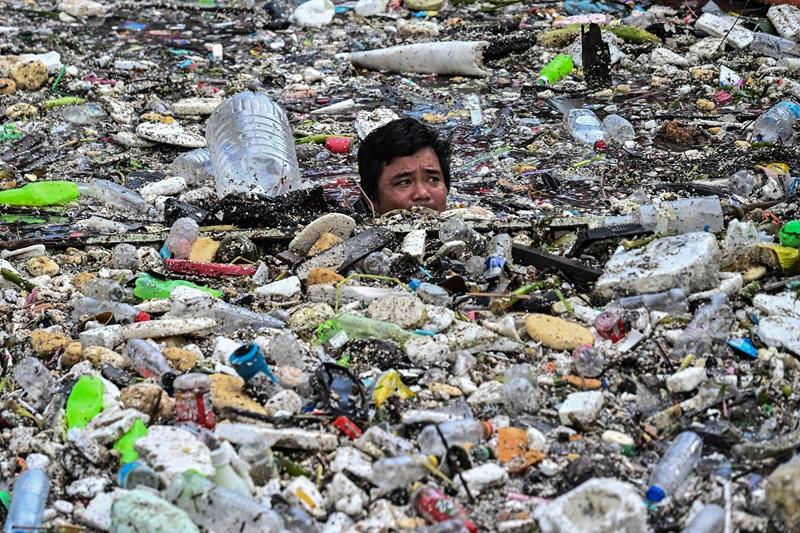
The Department of Energy (DOE) is accelerating its waste-to-energy (WTE) program following a renewed push from President Ferdinand "Bongbong" Marcos Jr. to convert residual waste into a productive resource, driving forward efforts to tackle urban flooding caused by garbage clogging the country's waterways.
“The President has underscored the need for a more integrated approach to addressing our waste challenges. Waste that can no longer be reused or recycled should not simply end up in landfills or waterways. Subject to strict environmental safeguards, appropriate residual waste can be converted into useful energy and contribute to our power supply,” said Energy Secretary Sharon Garin said in a statement on Thursday.
The Energy chief said the President’s directive provides momentum to the DOE's strategy of utilizing WTE to bolster the national power supply while advancing broader solid waste management goals.
As part of this ramped-up implementation, the DOE officially resumed activities last month for the Special Auction Round for Waste-to-Energy under the Green Energy Auction Program.
To attract greater private investment and speed up development, the agency raised its overall installation target from 230 megawatts (MW) to 400 MW and revised its auction terms.
According to the official timeline, the Auction Proper is set for October 13, 2026.
Projects awarded to winning bidders are expected to achieve mechanical completion by the end of 2028 and begin delivering electricity to the national grid by the end of 2029.
The DOE is viewing the WTE push as a path for managing residual waste that would otherwise head to landfills, turning it into a stable generation source to meet growing domestic energy demand.
In Metro Manila alone, daily municipal solid waste generation is estimated at 9,000 metric tons. DOE projections indicate that the metropolis's current waste stream could support approximately 200 MW of WTE capacity, subject to technical viability and feedstock availability.
“We want these projects built, but we also want them built to the highest standards. WTE cannot solve one environmental problem by creating another. These facilities must meet strict environmental safeguards while providing a reliable way to manage residual waste and generate useful energy,” Garin said.
“We are seeing significant interest from developers, but our objective is not simply to award capacity. We want projects that are technically sound, environmentally compliant, supported by sustainable feedstock, commercially viable, and capable of delivering electricity to the grid,” she said.
“We are moving WTE from policy into implementation. The President’s renewed push gives further momentum to that work. Our task now is to identify viable projects, uphold the necessary environmental and technical standards, and move qualified facilities toward construction and eventual delivery of electricity to the grid,” she added. — BM, GMA News

