

 GMA Brandtalk
 Tracking
 Archives

Is your family earning below P14,634 a month? Here's what PSA says about poverty line
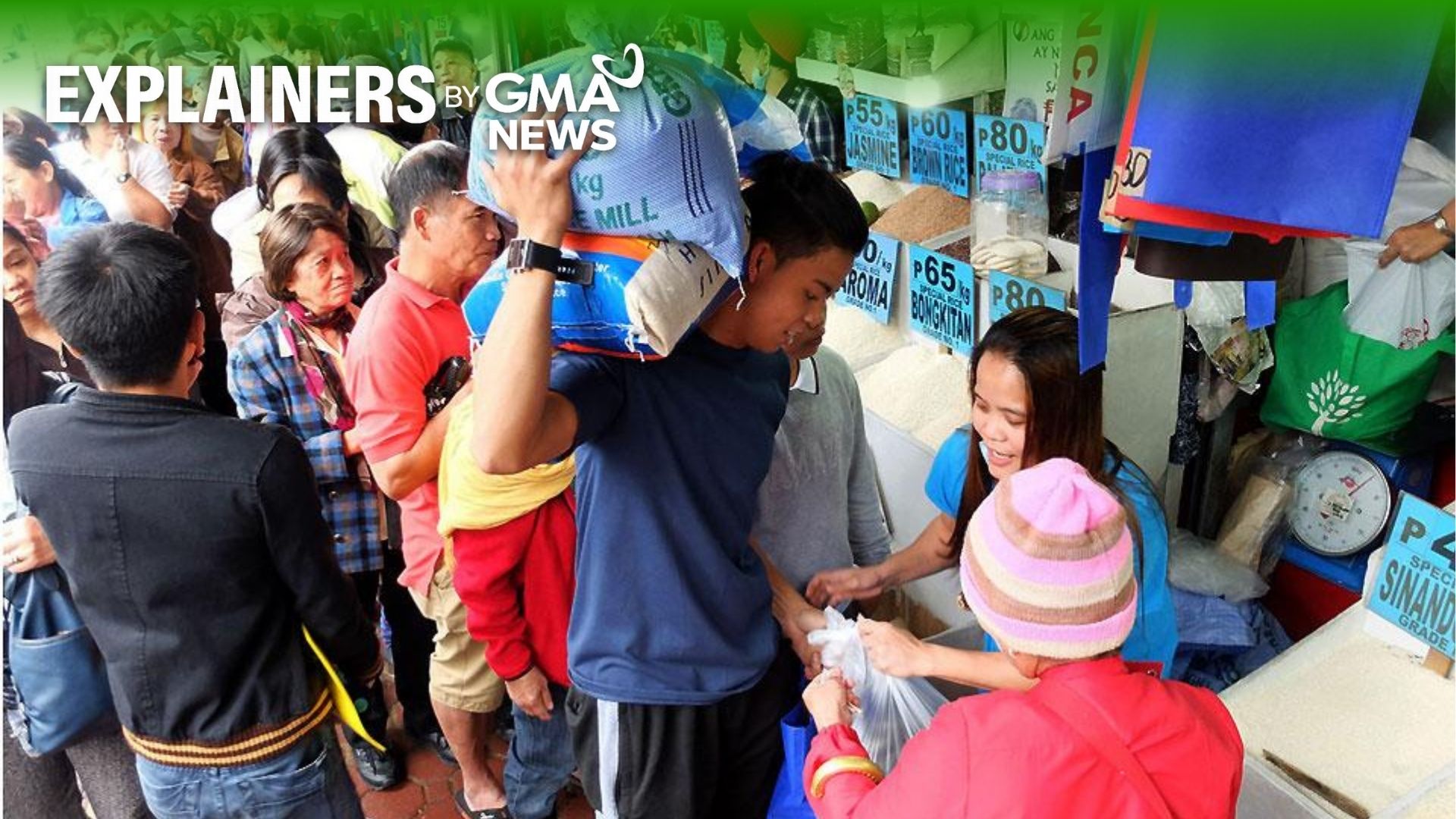
The number of Filipinos and families living in poverty declined in 2025 from 2023, according to the latest results of the Philippine Statistics Authority’s (PSA) Family Income and Expenditure Survey (FIES).
The Department of Economy, Planning and Development (DEPDev), citing the latest FIES results, said the poverty incidence among individuals declined to its “lowest-ever” rate of 9.7% in 2025, from 15.5% in 2023.
This means the number of Filipinos living below the poverty threshold fell from 17.5 million in 2023 to 11 million in 2025.
Meanwhile, the poverty incidence among Filipino families—typically composed of five members—declined to 6.4% in 2025 from 10.9% in 2023. This marked the first time the country’s poverty incidence among families fell to a single-digit level.
Development think tank IBON Foundation, however, criticized the government’s latest poverty data, saying "official statistics underestimate the actual number of poor Filipinos." IBON also said the poverty threshold set by the PSA was “unrealistic.”
So, how does the government classify a person or family as poor?
Republic Act No. 8425, or the Social Reform and Poverty Alleviation Act, defines “poor” individuals and families as those whose income falls below the poverty threshold, or “poverty line,” set by the DEPDev, formerly the National Economic and Development Authority (NEDA), through the PSA.
The law further states that those considered poor are individuals and families who cannot afford, on a sustained basis, their minimum basic needs for food, health, education, housing, and other essential amenities of life.
For 2025, the poverty threshold—the minimum income required for a family to meet its basic food and non-food needs—was set at a national average of P14,634 per month, up from P13,873 in 2023.
This means a family whose monthly income falls below the threshold is considered poor.
On a daily basis, the poverty threshold is equivalent to a family income of about P487.
For a typical family of five, this translates to about P97 per person per day.
“The average national poverty threshold of P96 per person per day is self-evidently small, very low, and an unrealistic standard,” IBON Foundation Executive Director Sonny Africa said.
The PSA said the income data collected in the latest FIES “come from various sources, such as wages and salaries, entrepreneurial activities and other sources of income.”
“Other sources of income include net share, cash receipts from abroad and from domestic sources, rentals received, interest, pensions, dividends, net receipts, those received as gifts (in cash or in kind), and imputed rent,” the PSA said. —VBL, GMA News

