

 GMA Brandtalk
 Tracking
 Archives

Cash usage in the Philippines declined amid COVID-19 pandemic —Visa
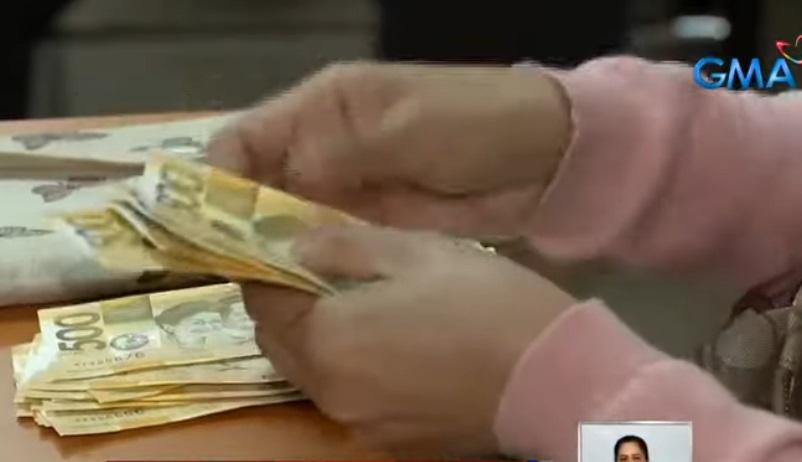
The COVID-19 pandemic, which forced many Filipinos to stay in their homes, has resulted in changes in consumer behavior, particularly the rise in the use of contactless payments and decline in cash usage, a study by global payments technology company Visa showed Thursday.
At a virtual press briefing, Visa country manager for the Philippines and Guam Dan Wolbert revealed the results of Visa’s Consumer Payment Attitudes study.
The study was conducted in October 2020 through an online questionnaire on 1,014 Filipinos aged 18 to 65 years old in Manila, Cebu, Cavite, Quezon, Laguna, Rizal, Bulacan, Davao del Sur, Pampanga, Negros Occidental, Batangas, Cagayan de Oro, Iloilo, Baguio, Davao to assess consumer payment trends and interest in using new payment solutions.
According to Visa’s study, the current cash usage among Filipinos declined to five out of 10 from seven out of 10 pre-pandemic.
“This trend of consumers carrying less cash is similar in other Southeast Asia countries,” Wolbert said.
The study also showed that contactless payments had 66% increase in usage among current users due to the pandemic.
Filipinos cited using more contactless payments at 73%, perceiving cash as unsafe because of the potential spread of infection at 54%, and more places adopting digital payments at 50% as the top reasons for carrying less cash.
In addition, Filipinos see bill payments at 81%, grocery shopping at 71%, and overseas travel at 68% as the top categories where they would likely go completely cashless in future.
The study also found that 88% of Filipinos who had not used contactless payments stated interest in using the payment method in the future.
Top benefits perceived by Filipinos for usage of contactless cards include not having to carry cash with them at 88%, feeling safe from infection at 75%, and being an innovative payment method at 68%.
“Based on Visa’s data, contactless transactions have been increasing steadily month-on-month in the Philippines since August last year. We believe that contactless payments will continue to grow as Filipinos appreciate the benefits of contactless payments, including perceiving this payment method to be more hygienic due to the absence of physical interaction at point-of-sale,” Wolbert said.
“Even though we’ve made progress in digital payments adoption, there remains huge opportunities for us to encourage more Filipinos to embrace digital payments as we look to expand digital payments acceptance across the country,” he added.
The Visa study also revealed that 52% of Filipinos shopped online through apps and websites for the first time during the pandemic and 43% of them made their first online purchase using social media channels.
Online shopping activity has also increased in the past one year based on the findings.
Close to nine in 10 Filipinos have increased their online shopping activities on websites or apps, while seven in 10 are shopping more on social media channels, according to Visa.
More than half of the consumers are also more inclined to shop from large online marketplaces at 53% and home-based businesses at 61%.
These new shopping preferences might turn into habits that last beyond the pandemic, Visa said.
The study also showed a large user base who started ordering home delivery, likely due to lockdowns or movement restriction order in the country during the pandemic.
More than nine in 10 Filipinos used home delivery in the Philippines and 67% of them increased their use of home delivery services during the pandemic.
“The pandemic has transformed the way Filipinos shop and pay. Based on the latest highlights from our annual Visa Consumer Payment Attitudes study, we see adoption of new consumer behaviors including more Filipinos using digital commerce platforms and helping to accelerate the usage of digital payments in the country,” Wolbert said.
“Based on Visa’s data, we see double digit growth for eCommerce transactions for purchases on marketplaces and digital goods... categories that they made their initial purchases include food and groceries, bill payments and pharmaceutical products,” he said.
The Visa study found that Filipinos see travel as the top category that they most look forward to spending on when borders reopen.
The study showed that 30% of Filipinos look forward to domestic travel and 22% would like to spend on international travel post-COVID19.—AOL, GMA News

