

 GMA Brandtalk
 Tracking
 Archives

Top 10 hoaxes in Philippine history
Dr. Jose Rizal is not the author of “Sa Aking mga Kabata”? Say what?!
You better believe it, mga Kapuso! Last Sunday, “Ang Pinaka” debunked ten “historical chismis” that were once believed to be true.
To help us distinguish fact from fiction, the following history experts joined our discussion: Xiao Chua, Professor and TV host of ‘It’s Xiao Time’; Dr. Jose Victor Torres, Professor from De La Salle University; and Augusto Deviana, Chairperson of UST History Department.
Now, check out our list and get ready to say, “Weh, di nga?!”
10. Fernando Poe Sr. served as the model for the UP Oblation
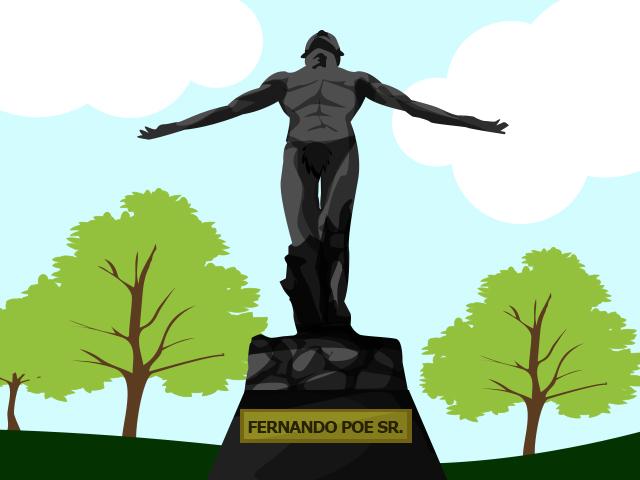
Hoax: There were rumors that actor-director Fernando Poe Sr., the father of ‘The King’ Fernando Poe Jr., posed as the model for the oblation statue at the University of the Philippines-Diliman by National Artist for Sculpture Guillermo Tolentino.
Truth: According to the university records, Oble was not Fernando Poe Sr., but the National Artist’s assistant and protege, Anastacio Caedo. Aside from Guillermo Tolentino’s assistant, he also asked his brother-in-law Virgilio Raymundo to pose as model for the university’s statue.
Now, how did it end up with Fernando Poe Sr.? According to Dr. Jose Victor Torres, “Siguro noong time na ‘yun popular si Fernando Poe bilang isang artista. Malamang ginamit siyang model but not necessarily sa oblation.”
9. Alibata was the pre-Spanish national writing script
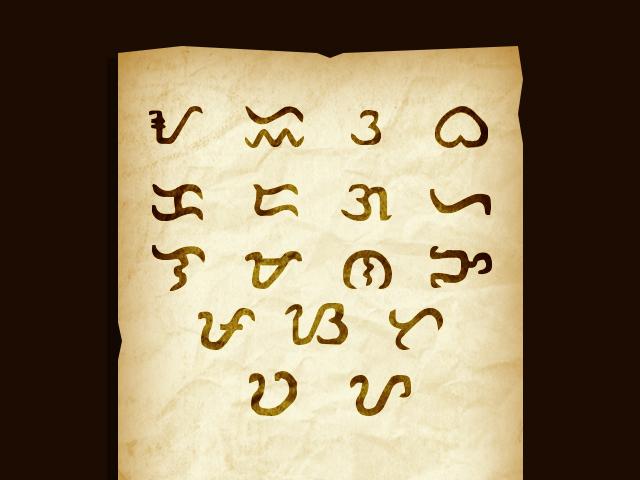
Hoax: At one point, we were taught that before the Spanish came to the Philippines, Filipinos already had “Alibata” as a “National Script” as their way of communicating with each other in written form.
Truth: Back then, there was no such thing as “National Script.” Also, Filipinos’ first writing script was called “Baybayin” and not “Alibata.”
Augusto Deviana said that “Ang Alibata ay invented word lang ‘yan. Ang Baybayin, ‘yon [talaga] ang ginamit kasi may Baybayin ng mga Tagalog, Visayas at Mindanao. Iba’t ibang version ‘yan.”
Then, what was the “National Script” that Pinoy used before the Spanish occupation? Many scholars believe that the “Old Kawi” found in the Laguna Copperplate and Butuan Ivory seal is the ancestor of Baybayin and other pre hispanic writing scripts in the Philippines.
8. Intramuros remained exclusive to the Spanish during the Spanish period

Hoax: Intramuros or also known as “The Walled City” was built during the 16th century. Its main purpose was to protect and preserve the Spanish colonial influence within the wall.
Truth: Some said that the exclusive enclave was for the elite ruling class only, but that was just a hoax! Xiao Chua said Filipinos also lived in the walled city, “Nagkaroon ng panahon na tinirhan na rin ng mga indio ang Intramuros. ‘Yung iba lumipat sa ibang lugar sa Maynila kasi nagiging crowded na sa Intramuros at maraming sakit ang [nag-umpisang] kumalat doon.”
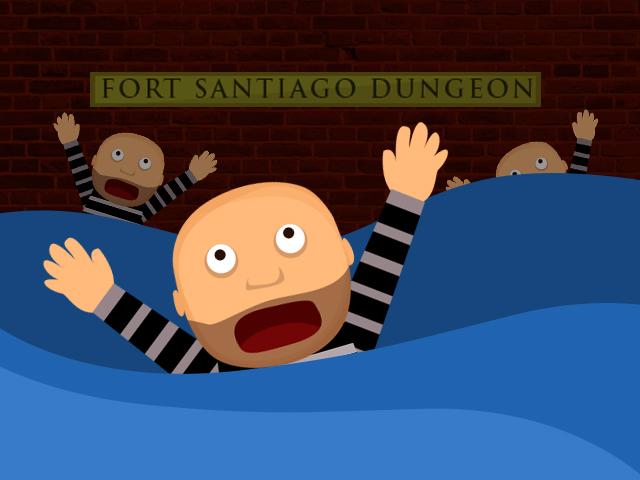
7. Prisoners of war during World War II drowned in the dungeons of Fort Santiago
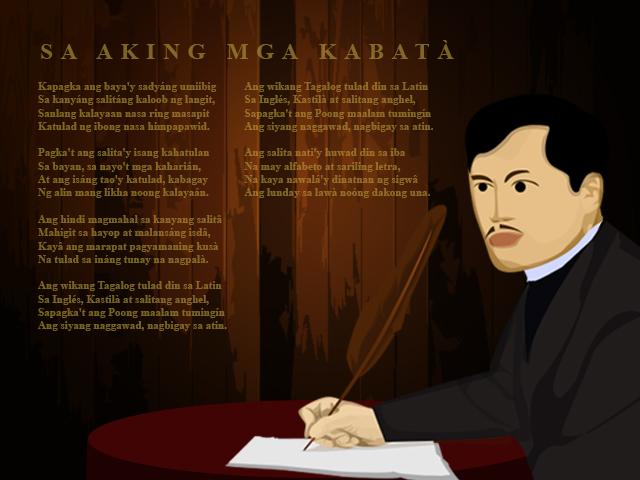
Hoax: During Filipino class, you would often hear your teacher say “Ang hindi magmahal sa sariling wika mahigit pa sa hayop at malansang isda.” Well, many of us believe that this famous quote appeared in the poem “Sa Aking mga Kabata” that was written by Dr. Jose Rizal.
Truth: Guest panelist, Xiao Chua said that “Walang ebidensiya na isinulat ni Rizal ito. Walang anything na nag-po-point out na mayroon siyang tula na isinulat noong 8 years-old siya.”
Is your childhood ruined already? Wait, there’s more!
According to scholars, Rizal used the word “kalayaan” twice in the poem. But, he once wrote to his brother Paciano asking about the meaning of the word in 1882 when he was already 21.
“Basically, sinasabi niya na hindi ko alam ang salitang kalayaan na ginagamit ni Marcelo H. Del Pilar kasi wala ito sa Florante at Laura. Kaya tinatanong niya si Paciano kung ano itong kalayaan na ito?” Xiao said.
Dr. Victor Torres also added, “Nang suriin ng mga literary researchers, kasama ang National Artist for Literature na si Virgilio Almario at Ambeth Ocampo, may mga detalye ng tula na hindi tugma sa panahon. Bagamat sinasabi natin na boy genius siya, hindi pa rin kapani-paniwala na siya ang gumawa.”
5. Apolinario Mabini was paralyzed because of syphilis
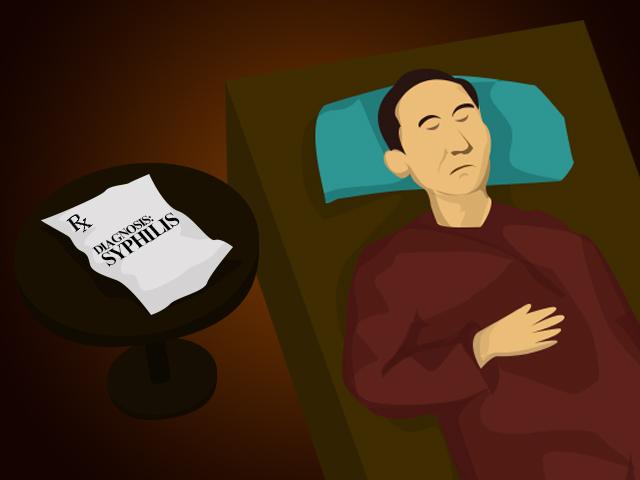
Truth: Dr. Victor Torres shared that “Matagal nang kuwento [‘yan] hanggang 1920s na si Mabini raw ay naparalisa dahil sa syphilis o sa isang Sexually Transmitted Disease.” But, when Apolinario Mabini died, an autopsy was conducted to further examine his bone condition and they found out the real reason for his paralysis.
“Hinukay ang labi niya para ma-settle na once and for all ‘yung usapin. Lumalabas na polio militis at walang germs ng venereal disease ‘yung labi ni Mabini,” Augusto Deviana said.
4. La Loba Negra (The Black She-Wolf)

Hoax: In October 1719, Governor General Fernando Manuel De Bustillo Bustamante y Rueda was assassinated at Palacio Del Gobernador. During the World War II, a novel entitled “La Loba Negra” written by Father Jose Burgos came out. It was about the governor’s widow who transforms into a wolf at night to retaliate the culprit behind his husband’s death.
Truth: Dr. Victor Torres shared that, “Noong 1970s na-prove na fake ito dahil unang-una ‘yung manuskrito na sinasabing sulat kamay daw ni Jose Burgos ay hindi naman niya sulat. At ‘yung facts na binanggit ay pinagkopyahan lamang.
After several research, historian William Henry Scott found out that the novel was a hoax. It was actually a fabrication of a con man by the name of Jose E. Marco.
“‘Yung provenance, ‘yung istorya ay hindi tugma sa panahon ni Burgos kaya sumablay ito,” said Dr. Victor Torres.
3. Princess Urduja

Hoax: The story of Princess Urduja was about a brave amazon princess protecting her kingdom Tawilis or known today as Pangasinan. The said story first appeared in the book by an Arab traveler named Ibn Batuta.
Truth: The story of Princess Urduja is just another hoax. Xiao Chua explained that “Si Princess Urduja pala ay based sa isang legend. Hindi siya nag-e-exist talaga, ang history kasi nakabatay sa documentation. So, walang documentation about the existence of Princess Urduja.”
However, the story of the Pangasinan amazon princess still persists among Pinoys because: “Hanggang ngayon makikita natin na bahagi pa rin si Urduja ng [ating] kasaysayan. Among professional historians, she is considered not a hoax but a myth. Such as the kingdom of Tawalisi that did not even exist here in the Philippines,” said Dr. Victor Torres.
2. Ten Bornean Datus
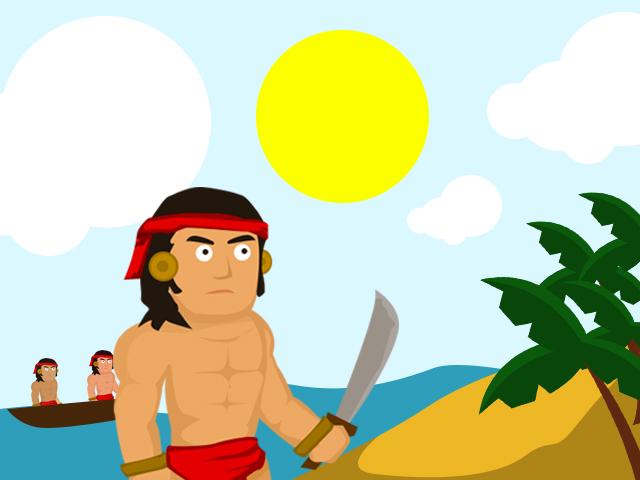
Truth: There are studies that point out the incongruity of the story. Dr. Victor Torres said that “Ang problema hindi conclusive ito bagamat ang legend ng sampung Bornean Datus ay makikita sa isang dokumento ng isang Spanish. Mukhang legend lang ito na ni-record kaya it remains a legend.”
Despite being just a legend, the story still persists because it is already part of our tradition. Dr. Victor Torres continued that “Aminin man natin o hindi colorful ang story e. Sinasabi na ang tradisyon ng ati-atihan ay nanggaling sa kuwento ng mga Datung ito. Sinasabi rin nila na kung wala ang istoryang ito ay hindi magkakaroon ng festival.”
1. The Code of Kalantiaw
_2015_11_12_18_16_36_8.jpg)
Hoax: In the epic story of Maragtas, there was this mythical legal code called “The Code of Kalantiaw,” authored, allegedly in 1433, by Datu Kalantiaw, Chief of the Island of Negros. According to the epic story, the said legal code contained eighteen orders and listed punishments for social and moral disobedience.
Truth: Besides lack of evidence, the mythical code was again fabricated by the con man Jose E. Marco. In his 50-year career as a forger and a fraud, the Code of Kalantiaw became the most successful.
“Bahagi ito ng isang set ng documents na ibinigay ni Jose E. Marco. Dahil sa tuwa na ito ang mga pre-Hispanic documents about the Philippines, hindi na kinuwestiyon ‘yung authenticity. So, tanggap lang nang tanggap at kasama dito ang Code of Kalantiaw,” explained Dr. Victor Torres. —Tyne Villan/BMS, GMA Public Affairs
For the list of anything and everything under the sun, watch “Ang Pinaka,” every Sunday, 6:30 PM on GMA News TV-11. You can also follow their Facebook , Twitter , and Instagram. Follow also GMA Public Affairs for updates on your favorite documentaries.

