

 GMA Brandtalk
 Tracking
 Archives

ADVERTISEMENT
Filtered By: Newstv
NewsTV
A sweet trip to Southern Negros: A "Biyahe ni Drew" Itinerary
"Biyahe ni Drew" airs every Friday, 8:00 PM, on GMA News TV. For more information, follow the show on Facebook and Twitter. For updates on your favorite documentaries, follow also the official Facebook page of GMA Public Affairs.

Let us travel to one of the sweetest places in the Philippines where sugared delights are aplenty and culture is celebrated proudly. Welcome to Southern Negros!
Southern Negros is part of Negros island, the third largest island in the Philippines. It is called the “The Sugar Bowl of the Philippines” because it is the source of more than half of the sugar produced in the country.
54 percent of the land in the province is used for sugar production that is why the way of life of the locals revolve hugely around this trade. But Southern Negros is not just about sugar! Check out our itinerary to find out why:
How to get there
Flights from Manila to the Silay Airport of Negros Occidental takes more than an hour. Several transportation options are readily available once you reach the airport. Bus trips from Silay to Kabankalan City last for almost two hours but if you want to be more comfy, you can also rent vans.
Where to stay
Zaycoland
Kabankalan City
Budget hotels in Southern Negros usually cost P220 per person while the more expensive ones cost P1,200 a night. We stayed in Zaycoland, a resort found in Kabankalan. For P1,800, you get a spacious room with a simple bathroom with hot water. Reservations automatically comes with a free breakfast for two. Their menu comes with both local and international dishes. Be sure to try their pork ribs and chocolate cake!
Where to eat
Aboy's Restaurant
Bacolod, Negros Occidental
When in Negros Occidental, do not miss the chance to sample the dishes in Aboy's Restaurant, one of the most popular dining places in the province. This 20-year-old resto actually just started out as a small carinderia but their unique and innovative recipes attracted tourists and locals alike, helping business boom.
Aboy's signature dish is squid fat cooked like adobo. The owners of the resto thought that throwing away the excess fats of squid is a waste so they tried to find another way to eat it. Drew says, "’Yung texture niya hindi chewy. Hindi yung pusit na familiar tayo. ‘Yung texture niya parang hardboiled egg."
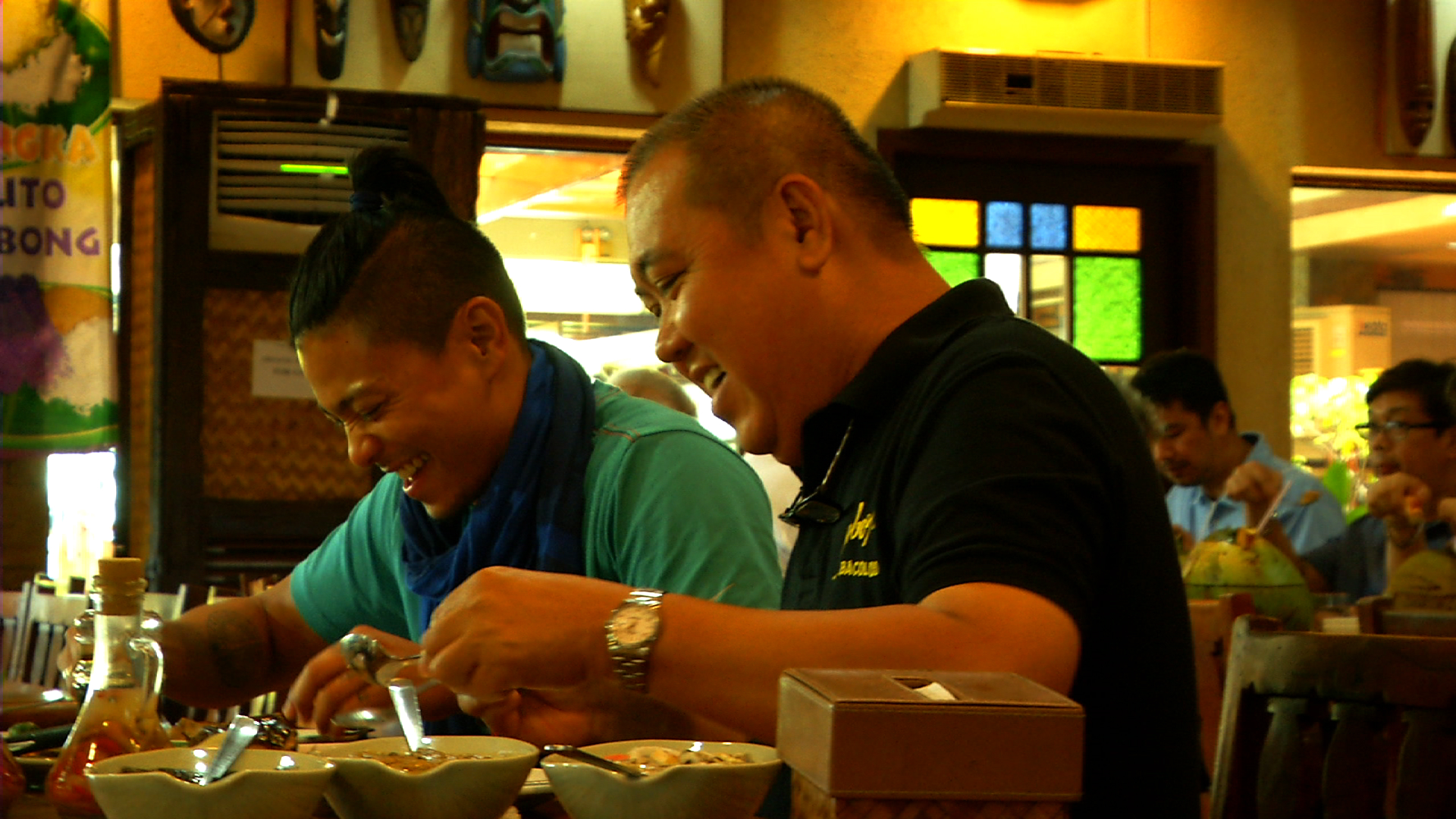
If you are a coconut milk lover like Drew and you got to have gata when you can, try pangat, a dish similar to laing. Aboy's also offers sinamak or blue marlin belly cooked in calamansi, ginger, and several other spices. Restaurants in Southern Negros usually serve this dish only during select times of the year but in Aboy's, it is offered it all-year round.
Reegals
Kabankalan City
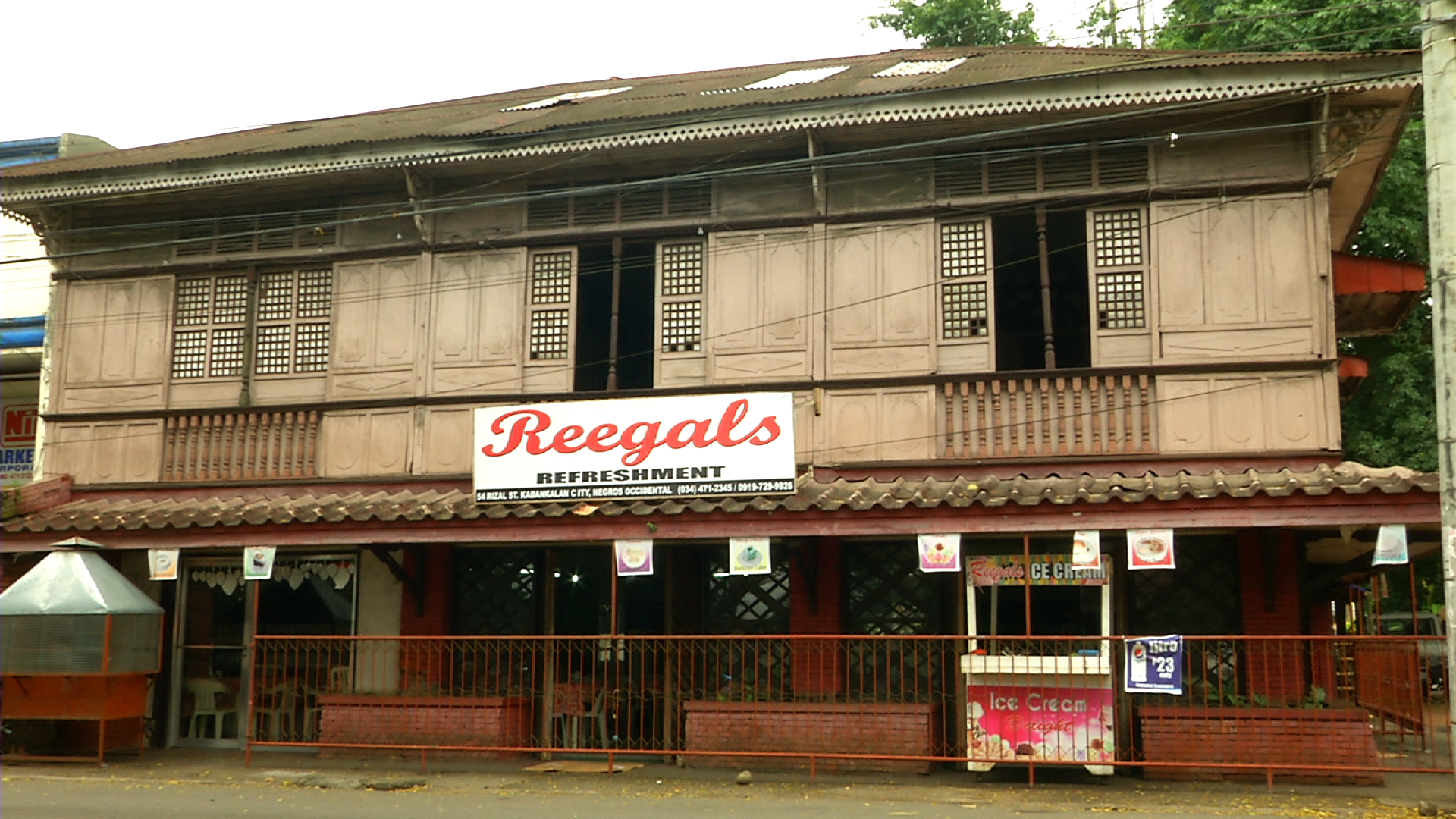
From being a small cake shop in 1984, Reegals has now become one of the favorite merienda shops in Southern Negros. Their menu includes homemade moist cake layered with caramel. What makes this cake stand out? "’Yung lasa niya hindi masyadong matamis," Drew explains. "Katamtaman yung kaniyang flavor."
Looking for pasalubong? Try the kalamay-hati, a sweet and sticky treat made of glutinous rice, muscovado, and coconut milk. Why call this dessert kalamay-hati and not just kalamay? According to locals, the snack is called as such because of the way it splits when the bao or coconut shell is opened.
Barangay Tapi
If you want to be like a local, you should eat like a local. Native chicken is a staple in many parts of the Philippines but in Barangay Tapi, Negros Occidental, they have their own way of preparing this dish. Enter the chicken papisik, or native chicken seasoned with soy sauce and calamansi and stuffed with batwan and lemongrass. The stuffed chicken is then placed in a clay pot filled with salt and lemongrass. This process is enough to cook the chicken.
What to see
Sinulog de Kabankalan
Kabankalan City
Now on its 39th year, the Sinulog de Kabankalan is a festival celebrated by local farmers and devotees of the Santo Niño. The weeklong event is held every January and is usually marked by several street dance and tribal competitions. As part of the tradition, participants also run around and wipe charcoal on the spectators. Don't get angry when you get dirty! It is all part of the fun.
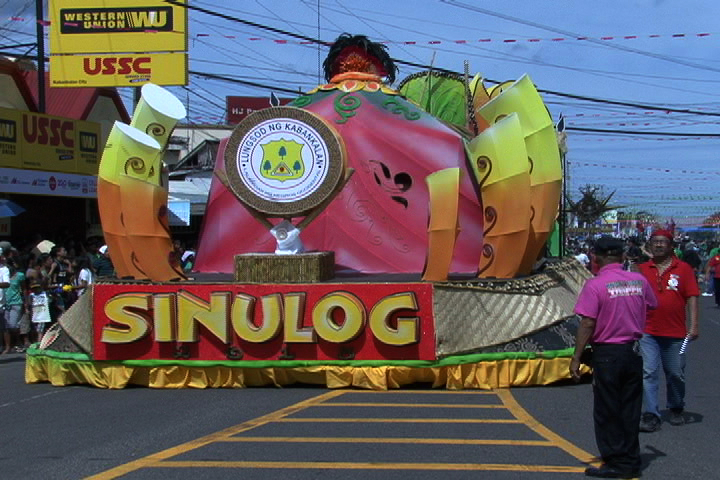
The people of Southern Negros admit that their festival is often compared to the Sinulog festival of Cebu but they proudly believe that the Sinulog de Kabankalan has its own charm. As Drew says, "Kanya-kanya lang 'yan. Respeto lang."
Mag-aso Falls
Barangay Oringao
Entrance fee: P50
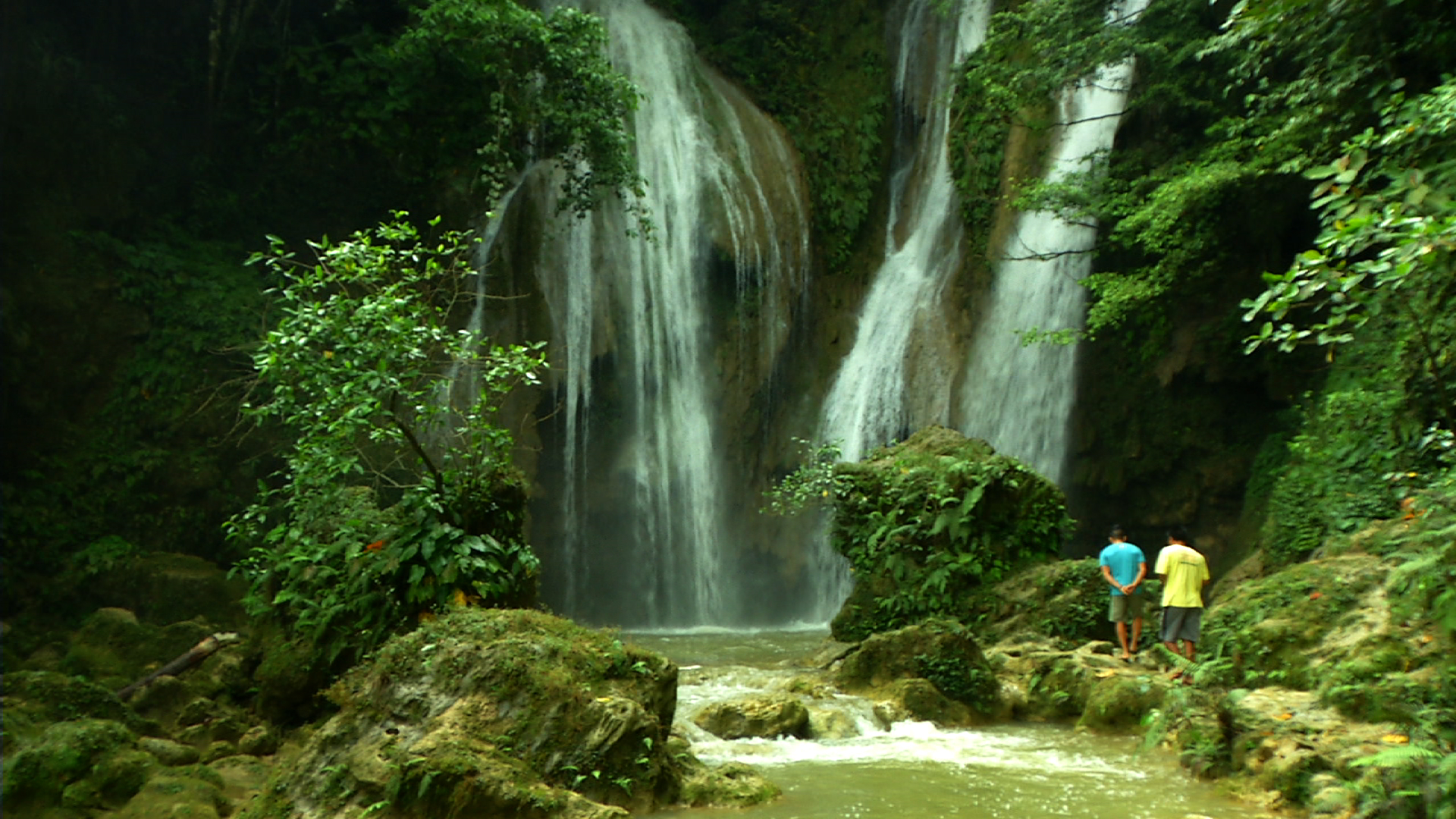
Travelers who want to spend the day outdoors could visit the 25-feet high Mag-aso Falls. The twin falls started gaining attention just nine years ago but a lot of changes has been made to make it more accessible. For instance, a resort, which houses swimming pools and covered picnic areas, was built near this natural attraction so that it would be easier to accommodate tourists. Stairs and railings were also constructed so that people could reach the falls faster.
Sipalay City
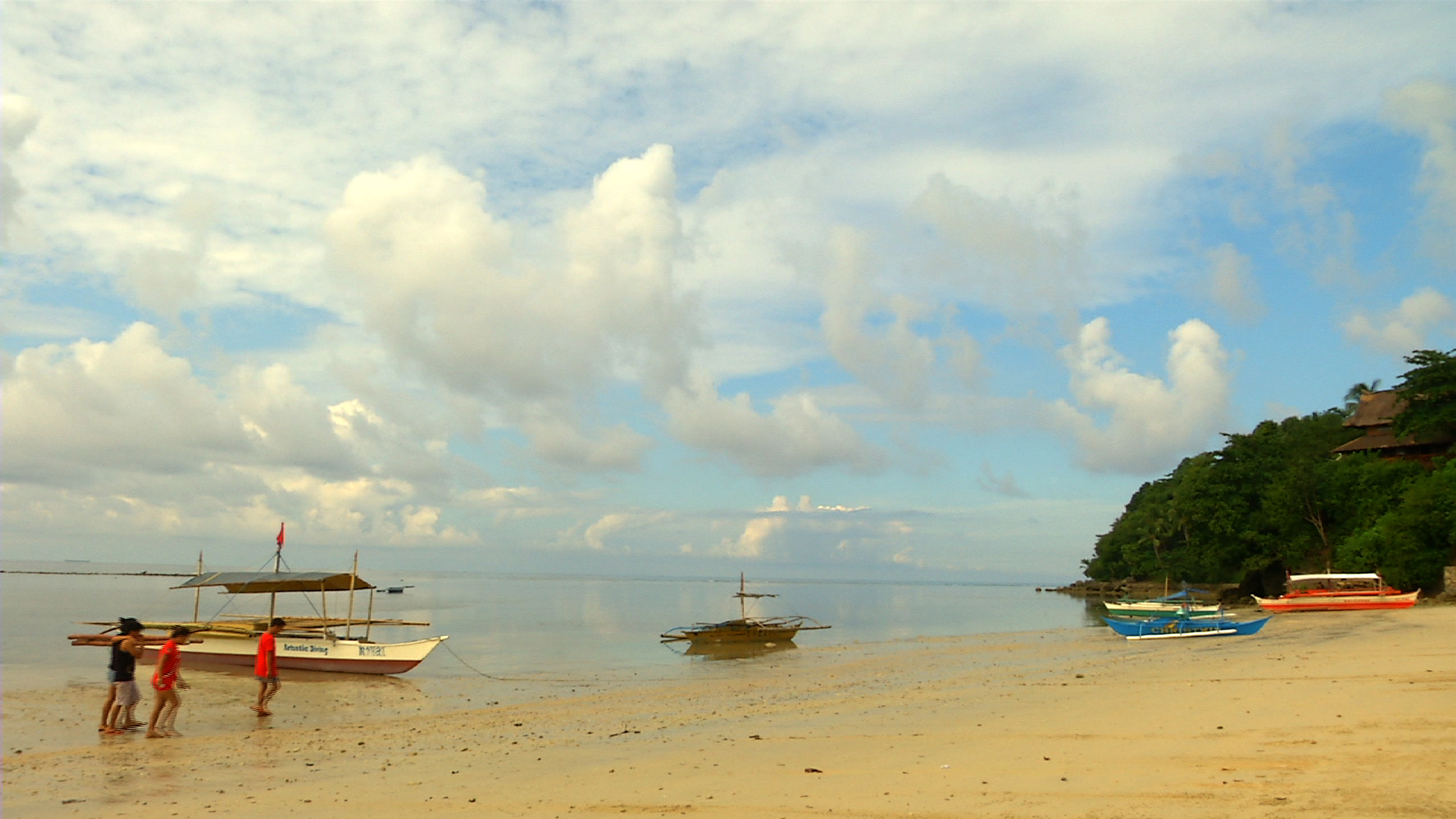
Where are the best beaches in Southern Negros? Drew thinks you can found these in Sipalay City. Sipalay City is just two hours away from Kabankalan and is usually the go-to place for anyone who wants to go diving or snorkeling. Called the "Jewel of the Sugar Island," Sipalay City is slowly becoming a tourist favorite because of its white sands, colorful corals, and world-class diving sites.
Our trip to Sipalay also gave us the chance to try the uson, a seafood that looks like a combination of a crab and a scorpion. It is usually cooked with onions, garlic, ginger, lemongrass, coconut milk, milk, and sambag. The dish looks weird but it is tasty. There is also the barungoy, a local fish that is usually used by the Southern Negros residents to cook sinigang. But don't stop there! If you have more space in your tummy, go on an all-out seafood binge. Sipalay also has oysters and baulo (or talakitok).
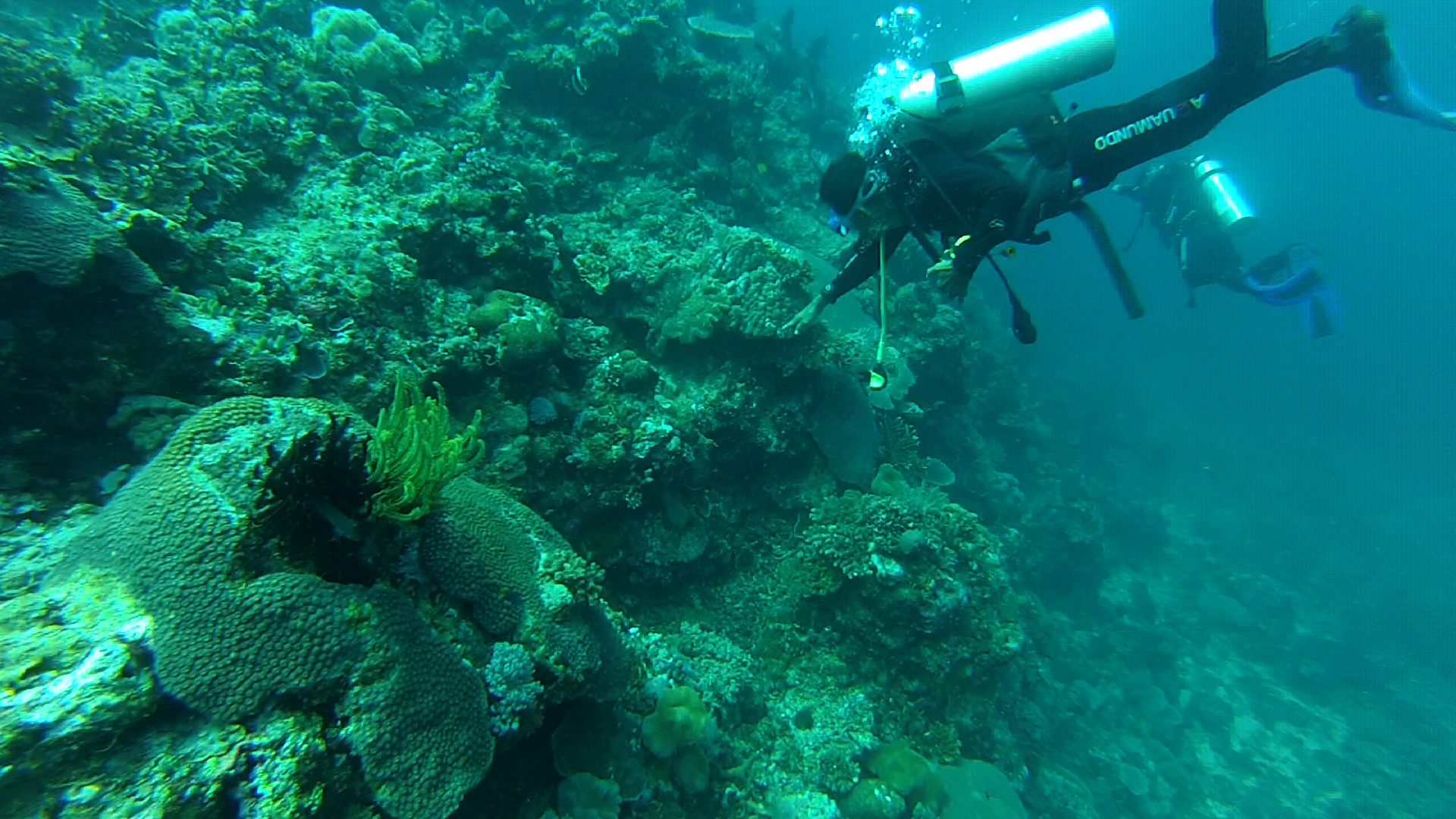
The beauty of Sipalay has not escaped the attention of foreigners. In fact, Art Mueller, a Swiss national that is now based in the Sipalay, likens the place to a small Boracay. The city may be far and underdeveloped but its natural beauty makes the long travel worth it.
Oisca
Bago City
Aside from sugar, Southern Negros also exports silk. Oisca is a sericulture farm where silkworms are reared to produce silk cloth. Only the best cocoon fiber is dried, boiled, brushed, and weaved. The finished product is then used to make clothes. The process sounds tedious but it certainly gives the locals more livelihood opportunities.
Southern Negros may be primarily known for its sugar plantations but it certainly has the natural attractions and delicious seafood to entice any Biyahero out there to discover a new destination. Tara na sa Southern Negros, Biyaheros!–Lara Gonzales/BMS
Let us travel to one of the sweetest places in the Philippines where sugared delights are aplenty and culture is celebrated proudly. Welcome to Southern Negros!
Southern Negros is part of Negros island, the third largest island in the Philippines. It is called the “The Sugar Bowl of the Philippines” because it is the source of more than half of the sugar produced in the country.
54 percent of the land in the province is used for sugar production that is why the way of life of the locals revolve hugely around this trade. But Southern Negros is not just about sugar! Check out our itinerary to find out why:
How to get there
Flights from Manila to the Silay Airport of Negros Occidental takes more than an hour. Several transportation options are readily available once you reach the airport. Bus trips from Silay to Kabankalan City last for almost two hours but if you want to be more comfy, you can also rent vans.
Where to stay
Zaycoland
Kabankalan City
Budget hotels in Southern Negros usually cost P220 per person while the more expensive ones cost P1,200 a night. We stayed in Zaycoland, a resort found in Kabankalan. For P1,800, you get a spacious room with a simple bathroom with hot water. Reservations automatically comes with a free breakfast for two. Their menu comes with both local and international dishes. Be sure to try their pork ribs and chocolate cake!
Where to eat
Aboy's Restaurant
Bacolod, Negros Occidental
When in Negros Occidental, do not miss the chance to sample the dishes in Aboy's Restaurant, one of the most popular dining places in the province. This 20-year-old resto actually just started out as a small carinderia but their unique and innovative recipes attracted tourists and locals alike, helping business boom.
Aboy's signature dish is squid fat cooked like adobo. The owners of the resto thought that throwing away the excess fats of squid is a waste so they tried to find another way to eat it. Drew says, "’Yung texture niya hindi chewy. Hindi yung pusit na familiar tayo. ‘Yung texture niya parang hardboiled egg."
If you are a coconut milk lover like Drew and you got to have gata when you can, try pangat, a dish similar to laing. Aboy's also offers sinamak or blue marlin belly cooked in calamansi, ginger, and several other spices. Restaurants in Southern Negros usually serve this dish only during select times of the year but in Aboy's, it is offered it all-year round.
Reegals
Kabankalan City
From being a small cake shop in 1984, Reegals has now become one of the favorite merienda shops in Southern Negros. Their menu includes homemade moist cake layered with caramel. What makes this cake stand out? "’Yung lasa niya hindi masyadong matamis," Drew explains. "Katamtaman yung kaniyang flavor."
Looking for pasalubong? Try the kalamay-hati, a sweet and sticky treat made of glutinous rice, muscovado, and coconut milk. Why call this dessert kalamay-hati and not just kalamay? According to locals, the snack is called as such because of the way it splits when the bao or coconut shell is opened.
Barangay Tapi
If you want to be like a local, you should eat like a local. Native chicken is a staple in many parts of the Philippines but in Barangay Tapi, Negros Occidental, they have their own way of preparing this dish. Enter the chicken papisik, or native chicken seasoned with soy sauce and calamansi and stuffed with batwan and lemongrass. The stuffed chicken is then placed in a clay pot filled with salt and lemongrass. This process is enough to cook the chicken.
What to see
Sinulog de Kabankalan
Kabankalan City
Now on its 39th year, the Sinulog de Kabankalan is a festival celebrated by local farmers and devotees of the Santo Niño. The weeklong event is held every January and is usually marked by several street dance and tribal competitions. As part of the tradition, participants also run around and wipe charcoal on the spectators. Don't get angry when you get dirty! It is all part of the fun.
The people of Southern Negros admit that their festival is often compared to the Sinulog festival of Cebu but they proudly believe that the Sinulog de Kabankalan has its own charm. As Drew says, "Kanya-kanya lang 'yan. Respeto lang."
Mag-aso Falls
Barangay Oringao
Entrance fee: P50
Travelers who want to spend the day outdoors could visit the 25-feet high Mag-aso Falls. The twin falls started gaining attention just nine years ago but a lot of changes has been made to make it more accessible. For instance, a resort, which houses swimming pools and covered picnic areas, was built near this natural attraction so that it would be easier to accommodate tourists. Stairs and railings were also constructed so that people could reach the falls faster.
Sipalay City
Where are the best beaches in Southern Negros? Drew thinks you can found these in Sipalay City. Sipalay City is just two hours away from Kabankalan and is usually the go-to place for anyone who wants to go diving or snorkeling. Called the "Jewel of the Sugar Island," Sipalay City is slowly becoming a tourist favorite because of its white sands, colorful corals, and world-class diving sites.
Our trip to Sipalay also gave us the chance to try the uson, a seafood that looks like a combination of a crab and a scorpion. It is usually cooked with onions, garlic, ginger, lemongrass, coconut milk, milk, and sambag. The dish looks weird but it is tasty. There is also the barungoy, a local fish that is usually used by the Southern Negros residents to cook sinigang. But don't stop there! If you have more space in your tummy, go on an all-out seafood binge. Sipalay also has oysters and baulo (or talakitok).
The beauty of Sipalay has not escaped the attention of foreigners. In fact, Art Mueller, a Swiss national that is now based in the Sipalay, likens the place to a small Boracay. The city may be far and underdeveloped but its natural beauty makes the long travel worth it.
Oisca
Bago City
Aside from sugar, Southern Negros also exports silk. Oisca is a sericulture farm where silkworms are reared to produce silk cloth. Only the best cocoon fiber is dried, boiled, brushed, and weaved. The finished product is then used to make clothes. The process sounds tedious but it certainly gives the locals more livelihood opportunities.
Southern Negros may be primarily known for its sugar plantations but it certainly has the natural attractions and delicious seafood to entice any Biyahero out there to discover a new destination. Tara na sa Southern Negros, Biyaheros!–Lara Gonzales/BMS

