

 GMA Brandtalk
 Tracking
 Archives

Kulet and his demons: an interview with a frequent drug user
Kimberlie Refuerzo is a Segment Producer and Multimedia Producer for GMA News TV's "Brigada." This article is a webexclusive for her story on drug usage in the Philippines for the program.
Note: The name and identity of the interviewee are not revealed to protect his privacy.
It was a hot Sunday afternoon in Quezon City. I was feeling agitated as my scheduled interview was delayed for two hours already.
“Saan na kayo?” I texted my researcher, who was supposed to fetch my interviewee.
“Ate nagbabago pa isip, pinipilit ko pa,” she replied.
As a segment producer for “Brigada,” I get to meet people from different walks of life. My five years in this job led me to interesting encounters like having conversations with some of the greatest thinkers to interviewing hardened criminals. This case is part of the latter: Today, I’m going to interview a frequent drug user.
My crew was getting restless as I waited in agony and prayed to God the interview would push through. Another few hours ticked by, and then finally, a man who’s probably around his 30s entered the room—wearing a worn out white shirt, looking noticeably irritable, his red eyes darting back and forth in his sunken eye sockets while his body smelled of a mixture of sweat, smoke, and alcohol.
“Baka naman may pulis dito ah,” he suddenly said.
Si Kulet
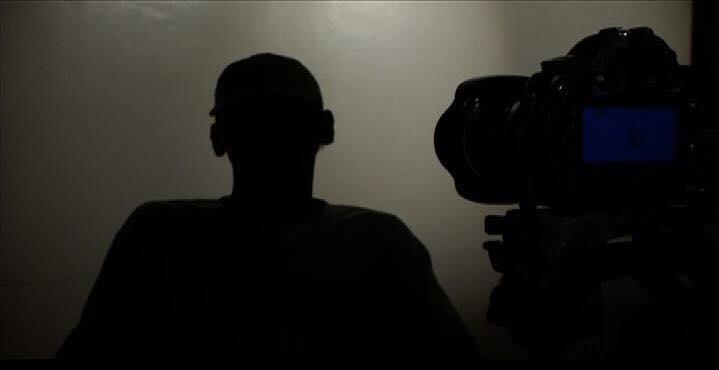
“Kuya ano po ang gusto n’yong itawag ko sa inyo? Anong code name ang gusto n’yo?” I asked.
“Kulet na lang, kasi makulit ako eh.”
Kulet came with a young lady, perhaps in her early 20s. He introduced her as his partner. She entered the room as if she wants to be invisible. She kept her head low and avoided eye-contact with us.
“Diyan ka lang sa tabi. Huwag kang magulo, saglit lang itong interview na ito,” Kulet told her.
“Saglit lang naman ito ‘di ba?” he then asked us.
Drug usage in the Philippines
According to the Dangerous Drugs Board, there is an estimated 1.7 million Filipinos who are addicted to drugs.
Psychiatrist Dr. Bernadette Arcena explained that often people who use drugs are vulnerable to addiction or have addictive tendencies even before their exposure to and usage of these prohibited substances.
“It's a very complicated issue kasi kung titingnan mo ‘yung profile ng nagda-drugs, makikita mo na simula pa noong bata sila, wala na silang sense of belongingness,” she said. “Parang hindi siya tinutulungan ng kaniyang pamilya. Walang tinatawag nating sense of ‘I’m loved, I'm trusted, I have the potential.’ Mababa ang self-esteem nila.”
Arcena added that people use drugs because of many reasons but primarily because they want to feel better and to escape themselves.
“Sometimes you use drugs because you will recall what happened in the past: hindi ka inalagaan ng mama mo, inabandona ka ng tatay mo, naghanap ng iba ang partner mo. So these things keep on ringing. And that's the reason you want to get out and go to something pleasurable,” she explained.
A decade of drug usage
As in the case with most addicts, Kulet’s descent into the drug world began innocently enough. He was not addicted instantly. Over the years, he just did it on weekend binges.
"Nagsha-shabu na ako since high school, nagsimula lang siya kasi ‘yung mga kaibigan ko tumitira din, kaya sinubukan ko lang. Paisa-isang hit lang naman sa simula. Eh okay pala, hanggang sa linggo-linggo hinahanap ko na, kaya hanggang ngayon tuloy-tuloy, halos araw-araw. Hindi ako humihinto,” he shared.
Just when I was about to ask my next question, Kulet suddenly interrupted me with what seemed to be a confirmation of a mere speculation.
“Kakatira ko nga lang kanina eh. Tatlong araw na ako walang tulog.”
Kulet recalled that he himself couldn’t tell exactly tell why he was addicted to shabu. All that matters to him now is that he could not last a day without it. It is the driving force in his life. He is heavily reliant on large doses of drugs to get out of bed in the morning. It is as if his body now requires drugs in order to function like other people do every day.
“Ganoon ‘pag naka droga ka. Nakakabuhay ng dugo eh. ‘Pag wala ka pang tama, matamlay ka, nakakatamad ng kumilos.”
The longer he used, the more difficult stopping became. At some point his use went from a want to a need, until it ended up as a cycle of insanity and redundancy.
“Bisyo na ‘yun eh. Gagawin at gagawin mo talaga lahat makatikim ka lang ng bisyo na yun.”
As the need to sustain his addiction grew stronger, he admitted to stealing anything he could get his hands on.
“Mangho-holdap kami, kukunin namin pera ng mga pasahero, lilimasin namin pera nila. Minsan sasakay kami sa jeep, ‘yung mga nakasakay hoholdapin din namin. Isang beses may nasaksak pa ‘yung kasama ko, ayaw kasi ibigay ng pasahero ‘yung pera niya.”
“Kuya pag nakasakay n’yo ako sa jeep ‘wag nyo naman po ako holdapin ah,” I suddenly blurted out, not thinking. Uncomfortable silence followed while we looked each other in the eyes.
“Magsisisi ka naman after mong makagawa ng masama, pero mamaya titikim ka na naman, ganoon na naman ulit. Gagawa't gagawa ka na naman ng masama lalo't pag nabibitin ka talaga,” he said, his voice trailing.
Drugs and violence
Drug usage is often connected to violence. This month, a man went amok and shot dead a woman and wounded two more passengers of a van in White Plains. According to initial investigations, the suspect became paranoid as he thought that the van containing the victims was sent to transport him back to the rehabilitation center.
Why are drug users prone to violent acts? Kulet helped shed light on this as he described how the dark voices of addiction show no mercy when it comes to distorting reality.
“Nakakablangko talaga ng utak. Naluluto na talaga ng droga 'yung utak mo kaya wala ka na sa tamang pag-iisip,” he described. “Wala ka nang pakialam sa kahit ano. Kahit nga masama gagawin mo na kasi hindi mo naman alam ginagawa mo. Saka mo lang siya maiisip na mali pala ‘yung ginawa mo pag wala ka ng tama."
Even though there are still no statistics nor data showing the number of crimes committed under the influence of drugs in our country, it is still without a question how drug use and criminal acts are closely linked. The use of illegal drugs is often associated with murder, rape, robbery among many other crimes. Dr. Bernadette Arceno explains that addiction, if not treated during its early stage, can potentially lead to criminal behavior.
“Kaya may krimen, kaya may violence, kasi wala silang pakialam. Wala silang sense of reality,” she explained. “Feeling nila powerful sila. I-trigger mo sila, babarilin ka nila. Kapag feeling niya galit siya at gumamit siya ng droga sasabihin ng isip niya, ‘Aba, ako ang reyna rito, o ako ang hari dito. Kaya kitang patayin kung gusto ko.’”
She also added that drug users experience unavoidable paranoia and distortion of reality.
“Nasa ibang dimension kasi ang thinking ng isang drug addict. They are above reality. Nawawala na yung sense of control nila sa kaisipan at emotions. Kung ano ‘yung nangyayari sa katotohanan na buhay, hindi nila nakukuha na ‘yun.”
“Sira na ang buhay ko”
At the end, Kulet thinks of himself as a victim of drugs.
“Biktima lang naman ako. Nandiyan na iyan eh. Hindi ko na talaga matigil. Hindi ka na kasi kumpleto kapag hindi ka nakatira [ng droga].”
And even if every angle of his life is consumed with his addiction, he still sees through thick veil of addiction the damage drug dependency does to other people. He hated the person he became. And as ironic as it sounds, he hates anyone who uses drugs.
“Kanina ‘yung isang bata, dose-anyos binatukan ko noong nakita kong sumisinghot ng shabu, ‘Tanga ka bang bata ka? Gusto mo ba maging katulad ko? Gusto mo bang masira ang buhay mo?’” he recalled.
And now that he has reached the point that drugs have been a requisite for survival, where his obsession has been eating him alive and consuming his every thoughts, with quiet resignation he concluded that his life is not going anywhere. His life is at a point of no return.
“Wala siyang magandang naidulot sa akin. Masyadong makasarili iyong mga gumagamit. Sinisira na nga ang buhay mo, sinisira pa ang buhay ng pamilya mo. Tingnan n’yo naman nangyari sa akin, sira na ang buhay ko,” he said.
Even love can’t change him
“Eh bakit hindi ka kasi magbago?”
A question I have been itching to ask halfway through the interview and been trying to rephrase in my head was suddenly uttered by a hesitant voice from the corner of the room. The lady Kulet introduced as his partner finally broke her silence.
“Eh bakit hindi ka magbago alam mo naman pala na ganoon ang epekto?” she repeated, quickly looking down.
Kulet struggled to find the words while he leaned forward to this young woman.
“Napag-usapan na natin ito ‘di ba? Walang makakapagpabago sa akin. Kahit ikaw. Ako lang makakapagsabi sa sarili ko kung kailan ako magbabago,” he eventually replied.
“Uhm, sir, si ma’am po ba tumitira din?” I said, without thinking again.
He looked at me, his face deadpan.
“Hindi ‘no. Hinding-hindi ko papatirahin iyan. Hindi baleng ako na lang. Ako lang ang puwede, ‘Di siya puwede. Bata pa ‘yan, ‘di puwedeng masira iyang buhay niyan,” Kulet answered.
And even though it seems like he has no plans of giving up his addiction, Kulet still has something to say to each and every person out there.
“Wag niyo na pong tikman [ang droga] para hindi na dumating sa punto na gagawa pa kayo ng masama.”
“Sir, nakikita n’yo po ba ang sarili n’yo na magbabago?” I shot back.
“Ano ba? Hindi ba kayo nanonood ng Kalyeserye? Ika nga ni Lola Nidora, ‘sa tamang panahon.’ Sa tamang panahon magbabago din ako,” he said with a laugh.
And with that, the interview ended. Kulet and his partner left the room and walked off into the night.
“Saglit lang ‘tong interview na ito ‘di ba?” I recall him asking at the beginning.
It was indeed brief, one of the shortest interviews I’ve done. It did not even last 30 minutes. But in this span of time, Kulet bared his soul and helped us understand what it's like to be so consumed by an addiction that now dictates your life. —BMS, GMA Public Affairs
"Brigada" airs every Tuesday, 8:00 PM, on GMA News TV. For updates, follow the show on Facebook and Twitter. Follow also GMA Public Affairs on Facebook, Twitter, and Instagram for updates on your favorite documentaries.

