

 GMA Brandtalk
 Tracking
 Archives

‘Reel Time’ uncovers the unseen in 2013
Documentaries have been known to expose the many societal issues we face. But in 2013, GMA News TV’s highest-rating documentary program “Reel Time” featured these problems not only at the surface but also within - the reasons for it happening, and the potential solutions to overcome it.
“Ang dokyu ay isang paraan para marinig ng mga tao ‘yung mga hindi naririnig; para makita nila ‘yung mga hindi natin maladas nakikita. At para makapagbigay ng realization tungkol sa kalagayan ng ating tinatalakay na istorya,” said “Reel Time” executive producer Ely del Rosario in the documentary program’s year-end episode.
While “Reel Time” regularly features stories of Filipinos who go through different health conditions, some of this year’s notable documentaries showed the apparent lack of concern for sanitation, which often leads to many of these health issues.
“Silang Wala sa Mapa” featured residents of the mountains of Sarangani called B’laan. The community is so remote that basic government services cannot reach them, including food, potable water, clean bathrooms and electricity.
“Ginawa ‘yung ‘Silang Wala sa Mapa’ dahil may pangangailangan para ipaalam sa gobyerno na sa kabila ng pagpupursige ng pamahalaan na bigyan ng health facilities ang lahat ng lugar sa bansa, may iilan pa rin na walang access sa ganoong serbisyo,” said executive producer Jayson Santos.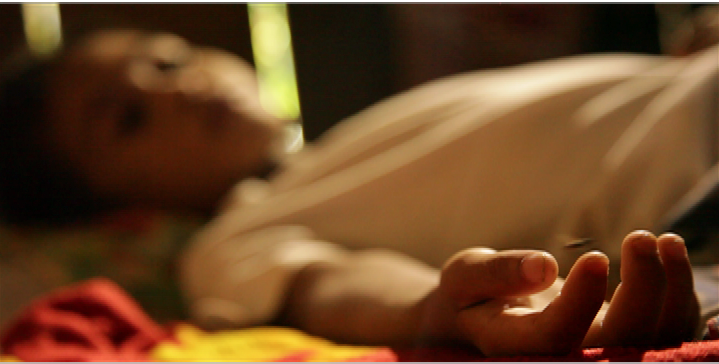
The island of “Jomalig”, on the other hand, was identified as one of the towns with the highest malnutrition rate in the Philippines. An island located far east of Quezon, Jomalig is isolated and does not have health centers.
“Malaking factor ‘yung geographical location ng Jomalig kasi napakalayo [nito] mula sa kabihasnan. Hindi makarating ‘yung mga tulong at programa ng gobyerno,” said Ely del Rosario.
Other “Reel Time” documentaries that focused on health and sanitation issues are “Brgy. Dos,” which tackled the lack of proper bathrooms in a barangay in Bacolod City; and “Yakap”, which presented the struggles of some HIV/AIDS victims in the Philippines.
Employed, but underemployed
Last quarter data for 2013 data puts the unemployment rate in the country at 6.5 percent, which improved for the previous quarter. However, while this indicates having some source of income, many are underemployed and have barely enough to survive.
In March 2013, “Reel Time” featured Nanay Justine in the documentary “Kayod: Para nga ba Kanino?” Her monthly income of P1,800 for being a street sweeper in their barangay is not enough to make ends meet for her family. To compensate, she sells barbeque and balut, serves customers in an eatery, and provides laundry services.
And while reports show an improvement in the country’s economic output, many - including children - still risk life and limb to earn their keep. “Reel Time” featured Liezl of “Gamet”— a 12-year-old girl who battles daily with the cruel waves of the ocean in order to gather seaweeds. A common ingredient for Japanese cuisine, these seaweeds grow hidden beneath sharp rocks along the shores of Burgos, Ilocos Norte.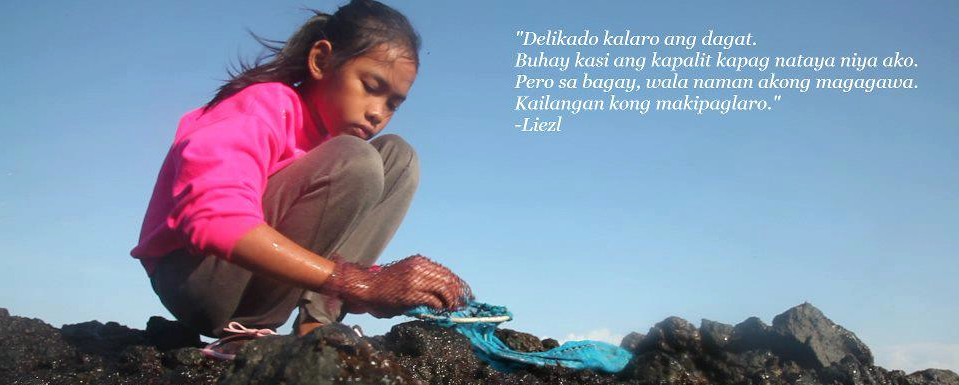
“May mga namatay na sa ganitong pagkuha, pero marami pa ring pamilya ‘yung talagang doon umaasa ng kabuhayan,” del Rosario said.
The same fate is true for Aling Vangie, who was featured in “Jumper”. Despite being three months pregnant, she joins her husband and their 8-year-old daughter in sailing through dangerous parts of the sea in order to bring home enough catch for them to sell.
Standing up after the storm
The destruction wrought by the many natural disasters that hit the country in 2013 were featured heavily in the news, but “Reel Time” focused on showing the survival that came after it.
“Hindi Matitibag” blew a fresh air of hope to the victims of the magnitude 7.2 earthquake in Bohol. It showed how Boholeños struggle in reconstructing their future with a positive mindset.
“Pag-uli”, on the other hand, featured victims whose families were separated during Typhoon Yolanda but were reunited through the help of kind-hearted people.
“Reel Time” recognized in and out of the country
In 2013, “Reel Time” received awards and recognitions for its documentaries not only from award-giving bodies in the Philippines but also from overseas.

This year, the program was awarded the highest honor in the world of television, the George Foster Peabody Award for “Salat (Bone Dry)”. This is the first Peabody Award given to GMA News TV, and the third award of GMA Network as a whole. This is also the third award given to a Philippine media company.
“Salat” was also given the Grand Prize for the Asia Pacific Child Rights Award, and was named Outstanding Televised Feature Story on Youth in the Lasallian Scholarium Awards.
“Bukod sa pagkakaroon ng personal na tagumpay, masaya ako na naging bahagi ako ng tagumpay ng ‘Reel Time’ at ng News TV na gumawa ng history,” said Shao Masula, executive producer of “Salat”.
The program also bagged the Silver World Medal for TV Documentary from the New York Festivals Award and was the only entry from the Philippines that became a finalist in the prestigious International Gold Panda Awards for Documentary.
“Reel Time” was also recognized as the Official Selection in international film festivals such as the Aljazeera International Documentary Film Festival in Doha, Qatar and the Refugee Film Festival in Tokyo, Japan.
These recognitions serve as inspiration for the program to continue what it does best in the coming years. “Panahon din itong [2014] para gumawa ng mga dokumentaryong mas mahirap, pero mas kapupulutan ng karanasan,” Santos said. —Isabelle Laureta/CM, GMA News
Watch Reel Time every Sunday, 9:00 PM on GMA News TV. Follow our Facebook and Twitter accounts for more updates on our next/previous episodes.

