

 GMA Brandtalk
 Tracking
 Archives

How the Philippines became Southeast Asia's proving ground for coal transition finance
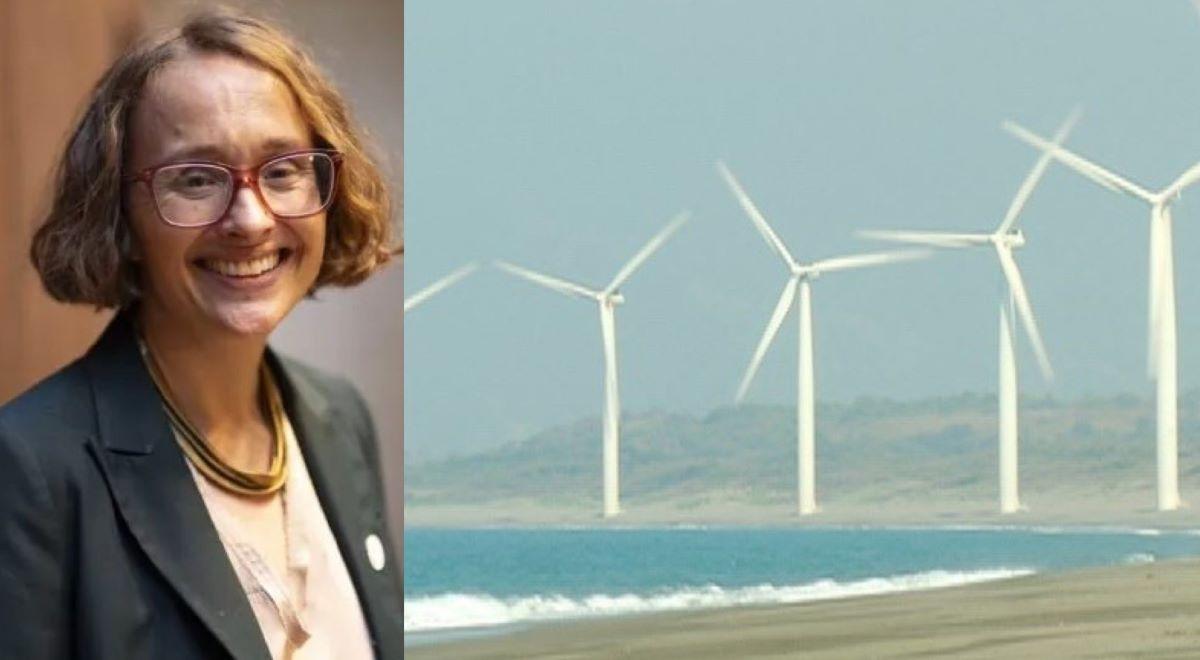
The Philippines is the most coal-reliant country in Southeast Asia. Coal power generation covers 62% of the country's electricity demand – and it is still rising. At a glance, this may not seem like the place to look for clean energy trailblazers. But in reality, it is.
Looking to enhance its economic competitiveness, the Philippines has become Southeast Asia's most compelling test case for coal transition finance – innovative financial mechanisms used to accelerate the closure of coal power plants and their replacement with clean energy. The country is proving that there is growing appetite among investors to finance early coal phase-out. Now it has an opportunity to build on its success, catalyze more impactful projects and mobilize even more capital in support.
The Philippines sets the pace
This May, the Southeast Asia region marked two major milestones. First, Mitsubishi Corporation joined the initiative to accelerate the retirement of a coal plant in Batangas, the Philippines, owned by ACEN, the listed energy platform of the Ayala Group. Second, Verra approved the world's first transition credit methodology for coal retirement, which can be used to support mobilization of financing for the closure of ACEN’s coal plant.
Under CEO Eric Francia, ACEN committed to move from coal power to 100% renewables, seeing the latter as a more competitive energy source. But they faced the same challenge confronting utilities across the region: long-term investments in coal power, commitments to supply the grid, and workers dependent on coal-fired power stations. Instead of selling their coal assets, they chose a just transition: pioneering ways to finance coal retirement, its replacement with renewables and battery storage and support for affected workers and the local community.
Through the project to retire the coal plant in Batangas, ACEN has demonstrated that there are practical routes opening up for accessing finance for the coal to clean transition. The pilot has received significant interest from international investors, with Mitsubishi Corporation's decision to join as further proof of growing confidence. With Verra’s methodology now released, ACEN is much closer to finalizing the transaction, expected to be completed next year.
Growing investor appetite for coal phase-out projects
What started as an experiment is now becoming a real-world solution and a model for mobilizing support and unlocking similar projects across emerging markets.
The financial sector’s appetite for transition finance extends far beyond one transaction. Several international banks, including HSBC, Standard Chartered, SMBC, Mizuho, DBS, UOB and OCBC publicly stated that they see the growing value of rapid coal phase-out and are willing to direct their money accordingly into the new financial mechanisms, whether it is transition credits, sustainability-linked loans or blended finance. The Rockefeller Foundation announced plans to support closure of 60 coal power plants by 2030, building on the ACEN pilot. The 60-project target is expected to attract $110 billion in public and private investment by 2030. This is opening pathways for other companies, who, like ACEN, want to benefit from this investment and position themselves as regional leaders as opportunities for clean energy grow.
Forward-thinking policy translates into investor confidence
Of course, challenges remain. Coal remains deeply embedded in the energy mix in the Philippines. The country faces the complex challenge of transitioning while maintaining economic growth and energy security. How energy transition will affect local communities is also a key challenge: thousands of people depend on coal-fired power stations for jobs and income. And many plants are relatively young with years remaining on their financing.
Yet, the opportunities are clear. Renewables are now cheaper than coal power, improve the affordability of energy and decrease dependence on volatile fossil fuel markets. Moving from coal to renewables becomes increasingly valuable as over 400 RE100 companies commit to 100% renewable operations globally, actively seeking supply chain partners with reliable clean energy access. The transition from coal to clean can also create jobs, positively transform communities and boost local development, as long as it is done in a just way.
Looking to enhance the country’s competitiveness despite a challenging energy mix, the government in the Philippines has set strong renewable energy policies, competitive electricity markets, and consistent regulatory processes. Thanks to these clear policy signals, the Philippines has built a pipeline of 99GW of wind and solar projects. Similarly, this positioning gave investors the confidence to commit capital to the ACEN’s transaction.
Next steps to build on success
A commitment not to build new coal plants would further strengthen momentum in this space and mobilize support. Methodologies from both Verra and Gold Standard highlight that a key step to strengthening investor confidence is governments signalling that supporting coal retirement or repurposing will genuinely reduce emissions and decommissioning projects will not be offset by new plants elsewhere. Similarly, the Rockefeller Foundation is clear that they will only support projects that are owned by companies or countries that have made firm "no new coal" commitments.
The PPCA stands ready to partner with the Philippines in its transition from coal to clean, by connecting policymakers with world-class technical resources tailored to the country's unique challenges. We facilitate partnerships with specialized organizations for comprehensive support, from grid modelling, to system planning expertise, to just transition processes. Through our Coal Transition Commission, we convene national policymakers, and public and private financial institutions to scale up financing for coal-to-clean transitions in emerging economies.
The path forward
Economic fundamentals favor clean energy, offering real benefits for households, communities, businesses, and governments. The Philippines has built the environment that enables trailblazing utilities like ACEN to lead. ACEN's pioneering work shows a potential route to secure funding for coal transitions, opening doors for other companies that also want to benefit. International investors are 'ready to hit the go button' to unlock more project if they have the right signals from governments.
The momentum is clearly building, and clear policy signals can accelerate it further. The Philippine government could increase its access to transition finance by committing to No New Coal in their upcoming Nationally Determined Contribution (NDC) and developing national transition policy plans to underpin this.
The opportunity to boost investment attractiveness through energy transition leadership is worth serious consideration. Transition finance is real, investor appetite is growing, and the time to lead is now.
Julia Skorupska is head of Secretariat at Powering Past Coal Alliance.

