

 GMA Brandtalk
 Tracking
 Archives

BI: 4 Pinoys in Laos repatriated after falling victim to work scam
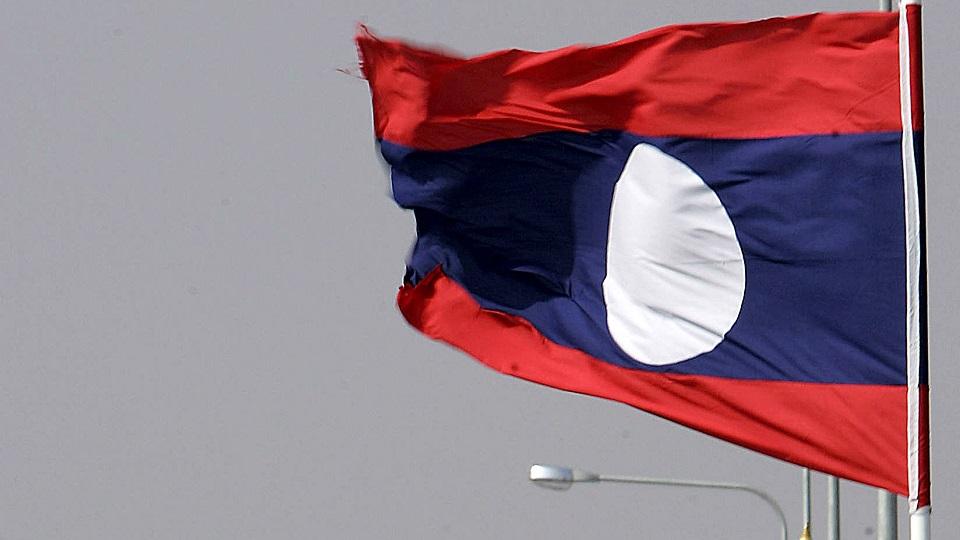
Four Filipinos who fell victim to a human trafficking scheme in Laos were repatriated to the Philippines, the Bureau of Immigration (BI) said Monday.
According to the BI, the victims — initially deployed as overseas Filipino workers (OFWs) bound for Brunei — were rescued in Laos after seeking assistance from the Philippine Embassy in Vientiane. They returned to the Philippines on October 17.
An initial investigation showed the workers were recruited through online advertisements promising of high-paying customer support jobs in Laos with monthly salaries ranging to around P47,000.
Their recruiters then used Brunei as a cover destination and processed their pre-employment documents such as work visas, employment contracts, Pre-Departure Orientation Seminar (PDOS) certificates, and Overseas Employment Certificates (OECs) as OFWs bround for the country. They were later trafficked to Laos through Thailand.
Upon their arrival in Laos, the victims were made to work up to 15 hours a day without rest, and were later forced to perform unrelated tasks—including maintaining social media accounts for online scams. One of the repatriated individuals admitted to being coerced into illegal activities, while another confessed to having been recruited by a former acquaintance through Facebook.
“Despite repeated government warnings, these syndicates continue to prey on the desperation of Filipinos seeking work abroad,” said Immigration Commissioner Joel Anthony Viado in a news release.
“What makes this case alarming is that the victims knew the arrangement was irregular but still agreed—showing how deceptive and manipulative these recruiters have become,” he said.
The BI reported the recruiters’ identities to the Inter-Agency Council Against Trafficking (IACAT), with one reportedly arrested by the National Bureau of Immigration-International Airport Investigation Division, Viado added.
“Illegal recruiters and human traffickers will face the full force of the law,” he said.
“We continue to coordinate closely with IACAT and international partners to ensure that those behind these syndicates are held accountable,” said Viado. — RSJ, GMA Integrated News

