

 GMA Brandtalk
 Tracking
 Archives

DMW, DOH offer aid to OFWs on Atlantic cruise ship with hantavirus
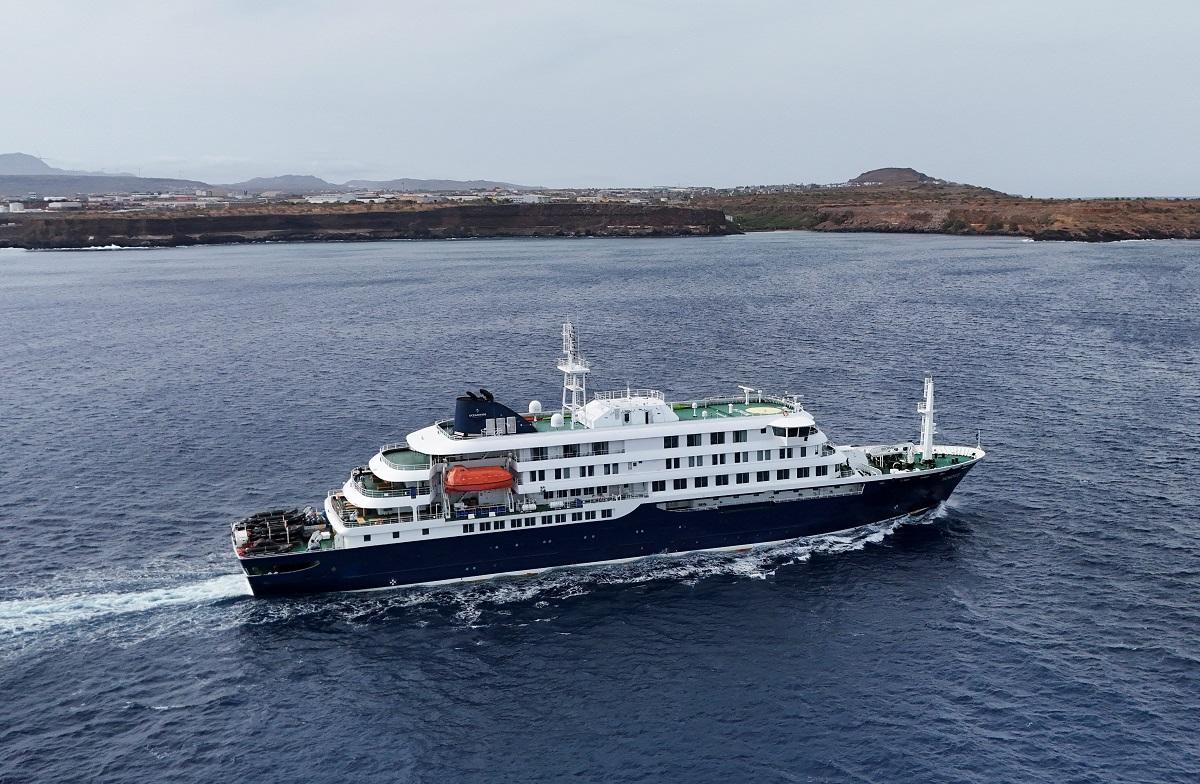
The Department of Migrant Workers (DMW) and the Department of Health (DOH) are offering aid to the 38 Filipino crew members who were onboard the Atlantic cruise ship where the hantavirus was detected.
Speaking to Super Radyo dzBB, DOH spokesperson Undersecretary Albert Domingo said the shipping company told DMW that they are in constant contact with the Overseas Filipino workers (OFW).
“In high spirits pa nga daw. Alam mo naman tayong Pinoy, parang okay lang 'yan, pero sabi namin, we are still on the lookout. Bagamat na malakas ating kalooban, kelangan din natin ng tulong, and that is continually being offered by the DMW and DOH,” Domingo said.
(They are in high spirits. We know that we Filipinos are saying we’re okay, but we agencies are still on the lookout. Although our spirits are strong, we still need help, and that is continually being offered by the DMW and DOH.)
He also reported the 38 Filipino crew members are currently safe and in good condition after none of them tested positive for the virus.
Domingo also assured the public that there is no need to worry about the hantavirus.
“Huwag tayong kakabahan. 'Yung buong mundo ay nagkakaroon ng isang kaganapan, pero natutugunan siya ng doktor. Wag tayong kakabahan, alam natin ang impormasyon,” Domingo said.
(Do not worry because the whole world is experiencing this situation, but doctors are addressing it. We know the information.)
According to the WHO, the first case of hantavirus onboard the MV Hondius may have been afflicted with the pathogen even before boarding the ship.
The passenger vessel left Ushuaia, Argentina last April 1.
READ: EXPLAINER: What is the rare hantavirus Andes strain?In a video sent to reporters, Domingo explained that, unlike the coronavirus, information about the hantavirus is known.
“Yung COVID-19 kasi hindi natin alam yung mga ganitong impormasyon,” Domingo said. “It was a new virus, tapos hindi alam kung paano siya gamutin, paano siya icontain, yung mode of transmission. Nangangapa yung mga doktor.”
(Back then, we didn't know much about COVID-19. It was a new virus, and we didn't know how to treat it, contain the infected, or understand the mode of transmission.)
“Iba yung feeling namin ngayon kasi it’s a familiar virus. Alam namin kung ano siya at siguradong alam natin yung mode of transmission niya,” he added.
(We feel different now because it’s a familiar virus. We know what it is, and we certainly know its mode of transmission.) —RF/GMA News

