

 GMA Brandtalk
 Tracking
 Archives

Pinoys in Kenya urged to follow health protocols amid Ebola outbreak
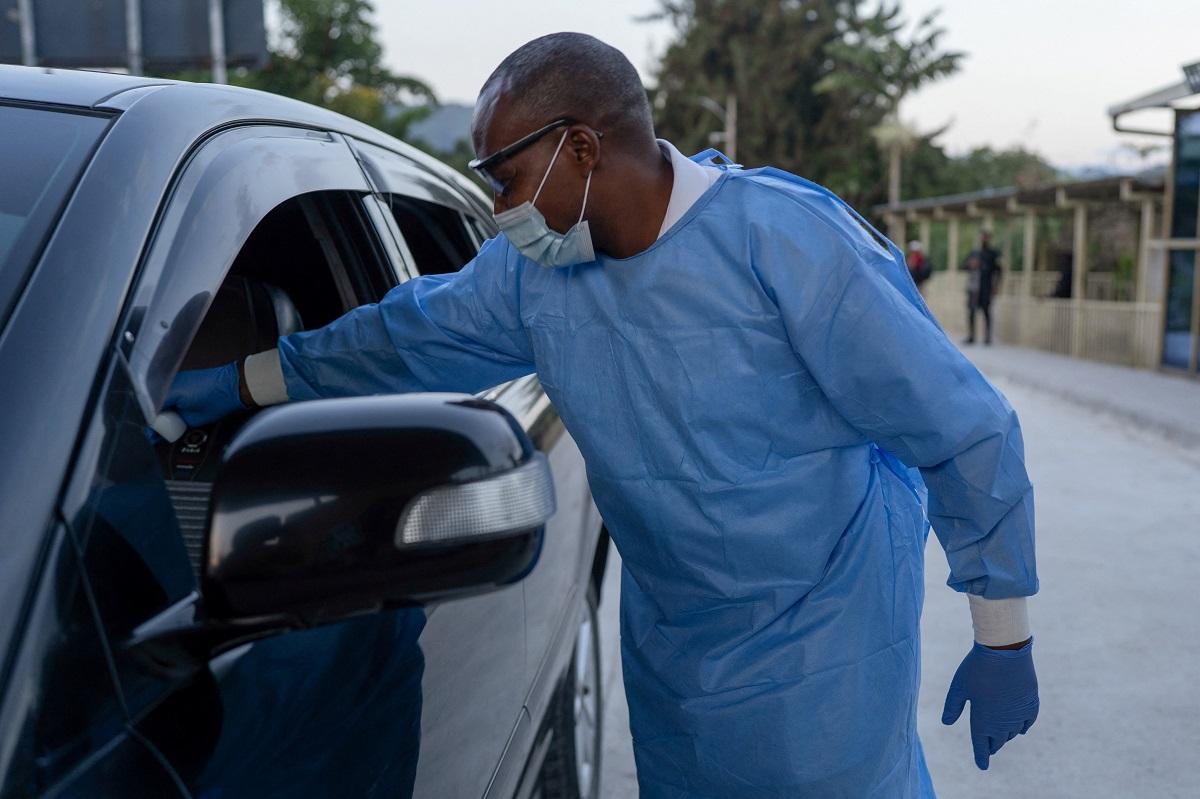
The Philippine Embassy in Nairobi urged Filipinos in Kenya to be vigilant and observe public health and safety protocols following the Ebola outbreaks in the Democratic Republic of the Congo (DRC) and Uganda have been classified a Public Health Emergency of International Concern.
In a social media post, the Philippine Embassy advised Filipinos to observe the following:
- Avoid non-essential travel to affected areas, particularly in eastern DRC and other locations where confirmed Ebola cases have been reported
- Observe proper hygiene practices, including frequent handwashing and use of alcohol-based sanitizers
- Avoid direct contact with individuals exhibiting symptoms such as fever, vomiting, diarrhea, or unexplained bleeding
- Refrain from handling bodily fluids or participating in burial practices involving suspected Ebola victims
- Avoid contact with wild animals, including bats and non-human primates, as well as consumption of bushmeat
- Monitor official announcements from local health authorities and the WHO regarding outbreak developments and movement restrictions
- Ensure that passports, visas, and other travel documents remain valid and readily accessible;
- Maintain communication with employers and Filipino community organizations regarding local conditions and emergency arrangements.
The Philippine Embassy also urged Filipinos experiencing symptoms consistent with Ebola to promptly seek medical attention and inform local health authorities of any recent travel or exposure history.
According to the World Health Organization (WHO), the disease initially causes symptoms such as:
- fever
- fatigue or weakness
- muscle pain
- headache
- sore throat
- general body malaise
As the disease progresses, patients may also experience:
- vomiting
- diarrhea
- abdominal pain
- skin rash
- impaired kidney and liver function
In severe cases, patients may develop internal and external bleeding, including blood in vomit or stool, and bleeding from the nose, gums, or vagina.
READ: EXPLAINER: What is Ebola disease?
In cases of emergencies, Filipinos in Kenya may reach out to the Philippine Embassy through its hotline (+254736310049) or email (nairobipe.consular@dfa.gov.ph ).
“The Embassy encourages all Filipino nationals in the DRC and Uganda who have not yet done so to register through the online mapping system and regularly update their contact details to facilitate timely communication and assistance in case of emergency,” the Philippine Embassy said.
“The Embassy continues to closely monitor the situation and urges the Filipino community to remain vigilant and prioritize personal safety at all times,” it added.
According to the WHO, the recent outbreak marks the DRC’s 17th Ebola outbreak, and the total number of infections could be significantly higher due to increasing suspected cases and high positivity rates in initial samples.
The outbreak is linked to the Bundibugyo virus, a species of Ebola virus first identified in the DRC, where Ebola was initially discovered in 1976.
While vaccines and treatments exist for Ebola virus disease caused by the Zaire strain, no approved vaccine or therapy currently exists for Bundibugyo or Sudan virus disease.
Still, the WHO said early supportive care—including hydration, treatment of symptoms, and medical monitoring—can improve survival and may be lifesaving.
For its part, the Department of Health said it will step up border surveillance following the Ebola outbreak.
“Ang ating Bureau of Quarantine at ang Epidemiology Bureau ay iha-heighten ang surveillance lalo na sa mga manggagaling sa mga bansang affected, yung Democratic Republic of Congo at Uganda,” Health Secretary Ted Herbosa said.
(Our Bureau of Quarantine and Epidemiology Bureau will heighten surveillance, especially for travelers coming from affected countries such as the Democratic Republic of the Congo and Uganda.)
DOH said there are currently no cases of Ebola in the Philippines.
"Wala po, wala po. Hindi po talaga (There is really no reason)," DOH spokesperson Undersecretary Albert Domingo said when asked if there is any reason for Filipinos to panic.
"Sa ngayon ang panahon natin ay low risk kapagka ibang bansa lalo malayo tayo sa West Africa kung nasaan ang Democratic Republic of the Congo," he added. —Mariel Celine Serquiña/RF, GMA News
###

