

 GMA Brandtalk
 Tracking
 Archives

Around 1,000 Filipino seafarers still stuck in Strait of Hormuz — FASA chair
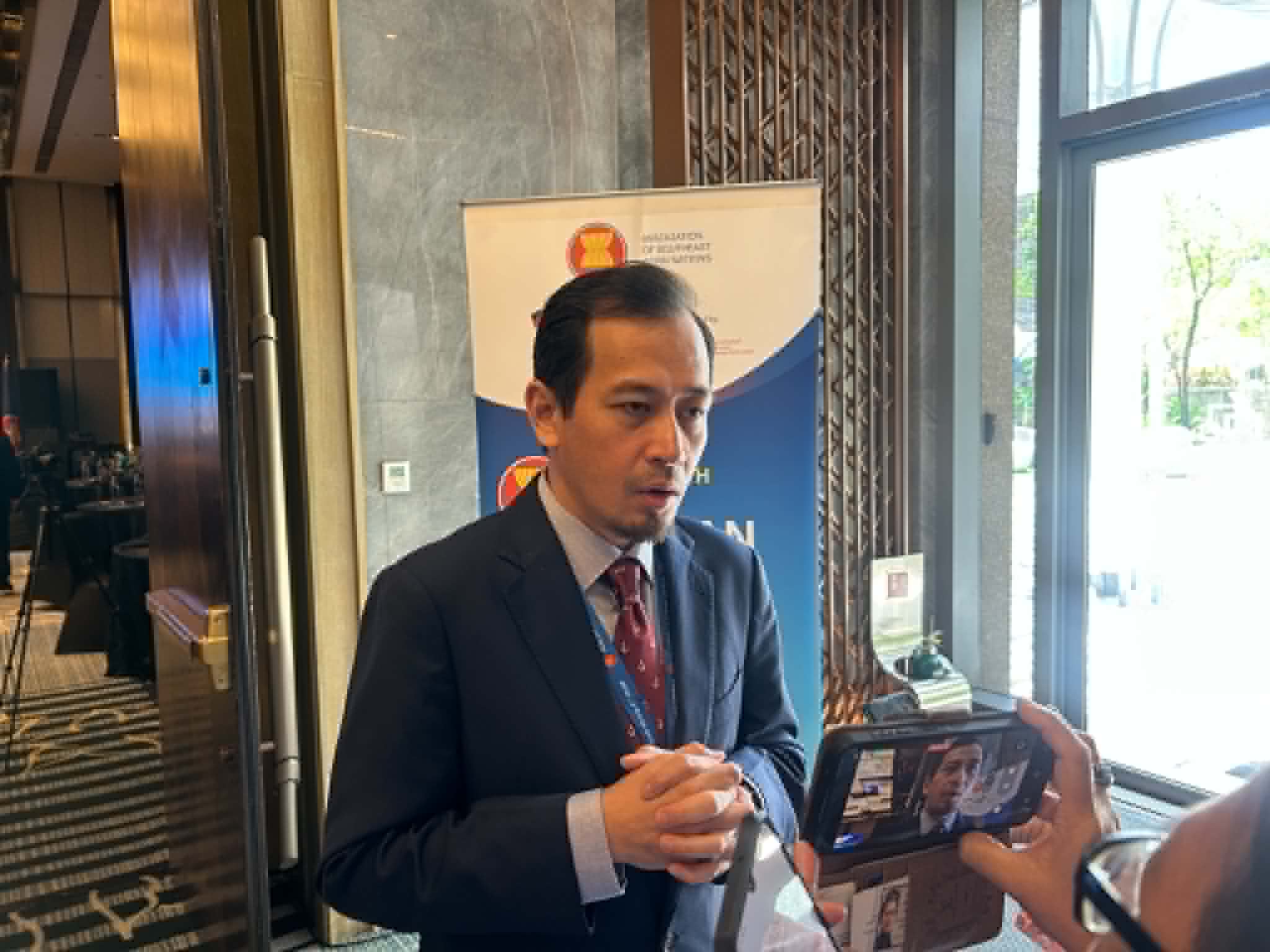
Around 1,000 Filipino seafarers are still stuck in the Strait of Hormuz due to continuing tensions between the United States and Iran.
According to Mohamed Safwan bin Othman, chairman of the Federation of ASEAN Shipowners' Associations (FASA), around 500 ships from the region are still in the Strait of Hormuz.
"The numbers are getting lesser. During the peak period of the crisis, there were 2,000 plus ships stuck in the Strait of Hormuz, but currently there are about 500, according to the latest data from IMO (International Maritime Organization)," he said Thursday at the sidelines of the ASEAN Media Forum in Pasay City.
"From ASEAN region, the last number we count, at least about 2,000 seafarers are still stuck in the Strait of Hormuz but we have repatriated quite a number of seafarers for the past few months. The numbers are going down," he added.
Asked how many of them are Filipinos, he answered more than half of 2,000.
"Big chunk of it. Majority of it are Filipinos. Our latest calculation about more than 50% are Filipinos," Othman said.
Othman said the number may change because some ships turn off their radar.
"We do not have the right data because some of the ships turn off their radar to make sure that they won't be detected by the (Iranian) authorities. Because some of them, they have a different negotiation... negotiating with the authority to make sure that their ships can go out and the cargo out from the Strait of Hormuz," he said.
Earlier this month, the Department of Foreign Affairs (DFA) said four Philippine-registered vessels carrying 81 Filipino seafarers have safely passed through the Strait of Hormuz and exited the conflict area in the Persian Gulf between June 24 and July 1.
The DFA identified the vessels as the MV Lyng Trader, MV Western Doncaster, MV Vivian Trader, and MV Eva Fuji.
Othman said their number one priority is the safety of the seafarers so the ships just reroute to avoid going inside the Strait of Hormuz and being stuck there.
"We don't go in. It's just outside the Strait of Hormuz just to get the cargo. That will take longer than expected and that's the reason for the delay in the delivery of cargoes to this part of the region," he added.
Insurance
He said another issue they are addressing is the insurance.
"Number one on top of the list is the safety of our seafarers and our cargo, our ship itself, and of course, the rerouting will take longer time for us to deliver goods, and at the same time, the cost of insurance," he said.
"Many of the insurance company, some of them have removed the war coverage or war risk premium, and some of them still cover, but with a higher cost," he added.
He said they are now creating a Protection and Indemnity (P&I) insurance club.
"P&I covers mainly the seafarers on board and the cargo on board so it's a very important part of insurance. So, in the region of ASEAN, currently, there's no P&I club that covers those insurance so we are creating one," he said.
"We are talking to our shipowners in the ASEAN region because P&I Club is about sharing the insurance or risks together and making sure that the premium becomes low and we can cover whatever the losses are between our members. So that's what we've been doing for the past few years, talking to members, and hopefully we can create our own P&I Club in this ASEAN region," he added.
Othman said it would take at least three years to have the right structure for a P&I insurance club. — VDV, GMA News

