

 GMA Brandtalk
 Tracking
 Archives

ADVERTISEMENT
Filtered By: Publicaffairs
Public Affairs
Swim with sea turtles on 'Born Impact'

Swimming with Marine Turtles
This Sunday, Born Impact swims with a prehistoric reptile that has been on earth for 250 million years—the sea turtle.
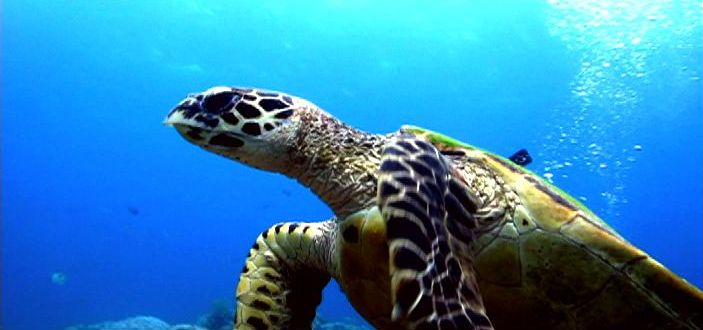
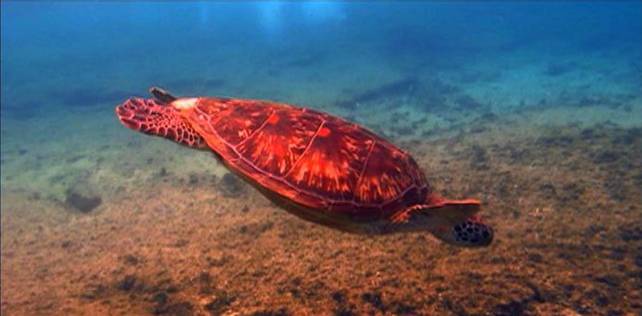
They are some of the gentlest creatures of the sea. And this week, the two veterinarian-hosts of Born to be Wild follow the lives of these turtles—from birth to adulthood—as they venture out into the ocean.
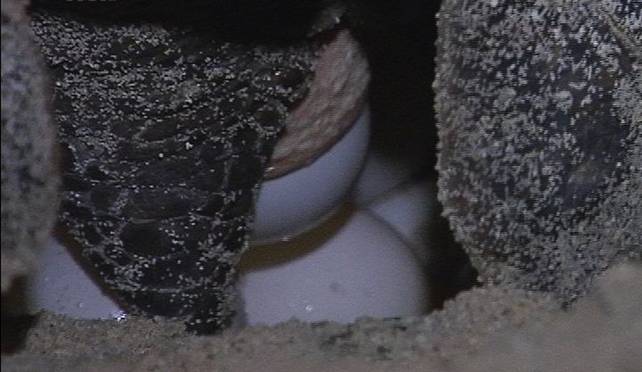
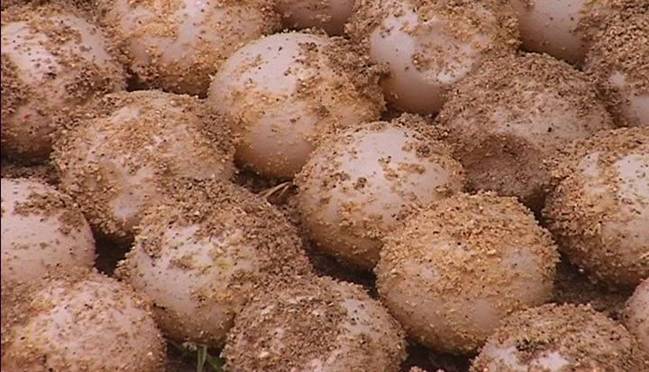
Built into these humble creatures’ genes is a remarkable ability to recognize magnetic fields to mark where they must change direction. A sea turtle’s sense of direction is so remarkable that an adult female will go back to the exact place where she hatched as a juvenile and deposit her own eggs in the same shore. Doc Ferds Recio visits the southern tip of the Philippines, Tawi-tawi, to see islands known for nesting turtles.
“Sometimes in a day, nag-a-average sila ng pangingitlog up to 60-120 eggs. It’s very important na huwag mo silang iistorbohin kapag naghahanap sila ng lugar kung saan nila ide-deposit ang kanilang mga eggs. Some say na yung mga pawikan kapag nag-dedeliver na sila ng kanilang itlog, they enter into a state of trance,” Doc Ferds recounts. In this turtle nesting haven, he also witnesses a behavior rarely seen: two sea turtles mating!
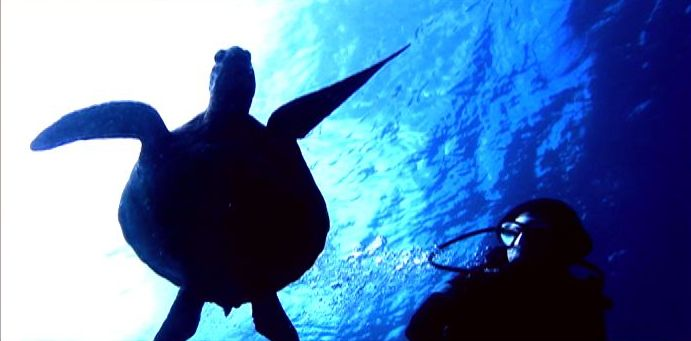
At sea, marine turtles face dangers from many ocean predators. But land based meat-eaters threaten them as well—dogs, monitor lizards, and humans. Dr. Nielsen Donato treats a sea turtle with a wounded shell after being speared by a fisherman. He must find a way to reconstruct the shell or else it will have a hard time swimming and foraging and might starve to death.
“Imagine ‘no, napakalaking karagatan, pero lima sa pitong species nila ay either endangered or critically endangered na,” Doc Nielsen says.
Sea turtles are immune to jellyfish stings and can even eat the deadly box jellyfish, making beaches safer for swimmers. They also eat sea grass and act as grazing animals that cut the grass short and help maintain the health of the sea grass beds. Sea grass beds provide breeding and developmental grounds for numerous species of fish, shellfish and crustaceans. But sea turtles are now threatened by massive poaching, and may even die from swallowing plastics and other waste materials.
Make your own promise to act.
Catch Born Impact this Sunday, March 24, 9:30am after AHA!

