

 GMA Brandtalk
 Tracking
 Archives

Doc Nielsen Donato searches for the biggest python of Casiguran, Aurora
BORN TO BE WILD
Part II of “Pythons and Whalesharks”
Wednesday, July 3
In the 1960s, anthropologist Thomas Headland captured on camera this image of a giant python in the forests of Aurora. The beast was killed by a local tribesman because they believed the snake threatened their the community. Villagers recount stories of giant pythons killing young children in their sleep. This week, Doc Nielsen Donato continues his search for the biggest python of Casiguran, Aurora to determine whether or not snakes of this magnitude still thrive in the area.
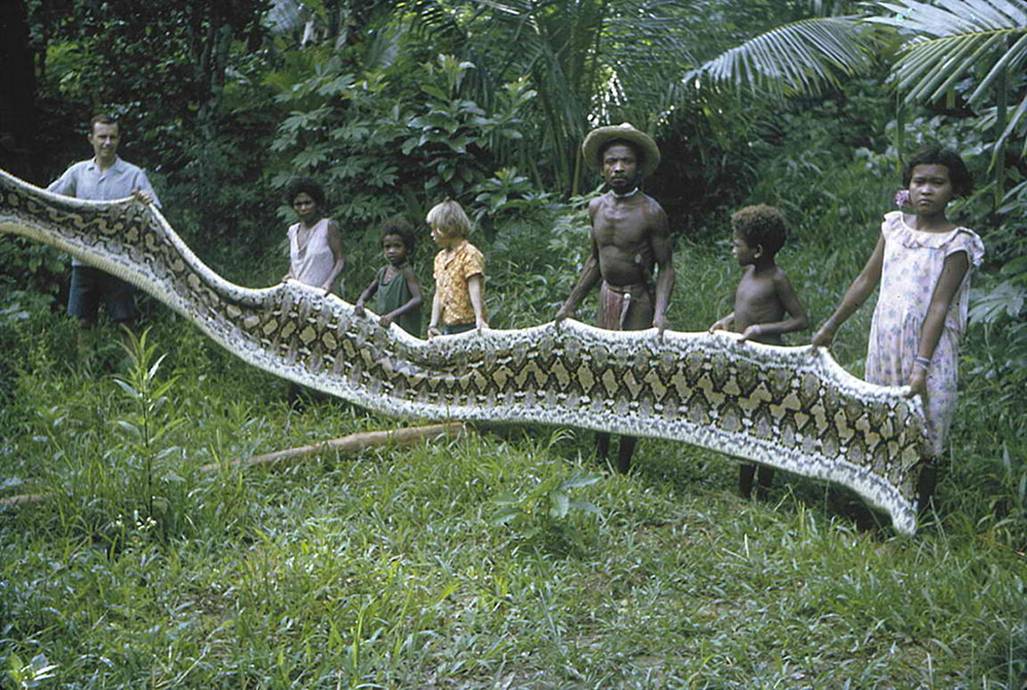
Photo courtesy: Thomas Headland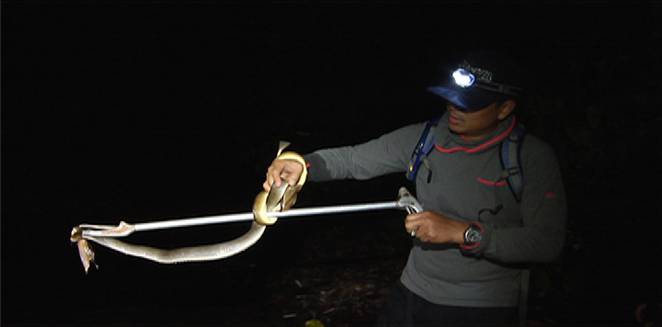
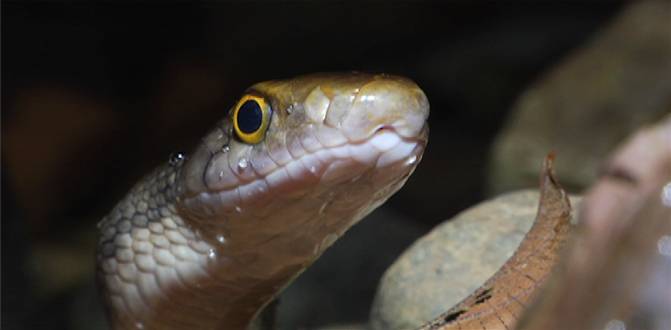
In his first night of herping (searching for reptiles), Doc Nielsen and his team saw a meter-long mangrove snake. The Agtas fear this snake because they believe that it may be deadly, but Doc Nielsen explains that this species is only mildly venomous and will not attack people as long as they are not threatened or harmed. Snakes, especially pythons, are feared in Casiguran because of the accounts that these reptiles have attacked and killed people in the past. But this will not stop Doc Nielsen and the team to learn more about the monstrous python.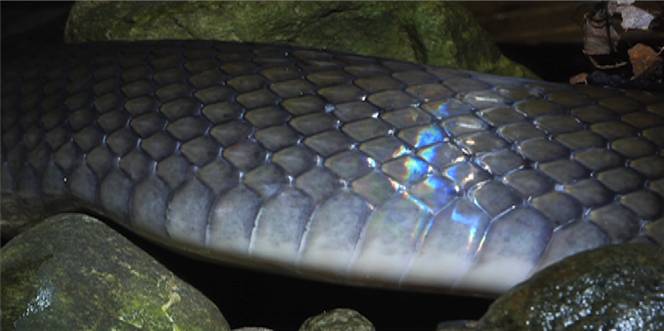
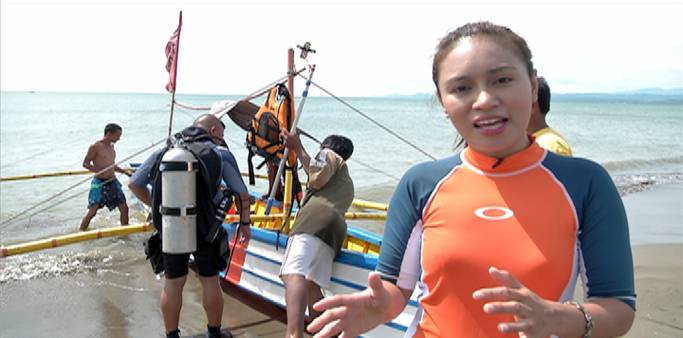
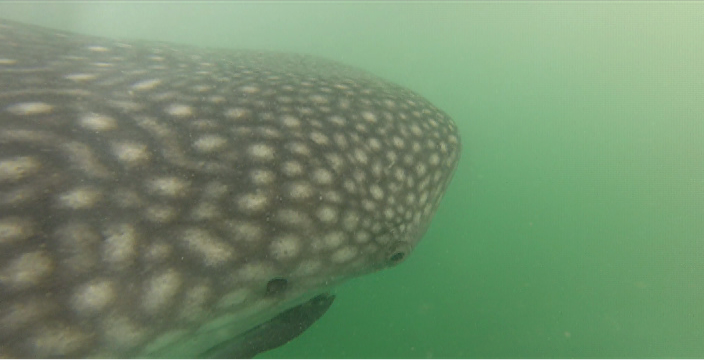
Meanwhile, guest host Mariz Umali meets the giants of San Fabian, Pangasinan—the biggest fish known as the butanding or supok. Together with whaleshark expert Elson Aca, Mariz will try to find out if these supok are the same individuals of whalesharks that Born to be Wild documented in Oslob, Cebu, Pamilacan, Bohol and Donsol, Sorsogon. But big waves, strong currents and evasive whalesharks challenge the team. In an initial observation, Elson says the whalesharks are juvenile. The team also took a sample of the water to see what kind of planktons these supok eat. But during their study, an explosion in the water jolts the team.
Catch Part II of “Pythons and Whalesharks” on Born to be Wild this Wednesday after Saksi.

