

 GMA Brandtalk
 Tracking
 Archives

Enter the weird world of parasites with 'Born to be Wild'
This Sunday on "Born to be Wild," the two veterinarians examine the weird world of animal parasites.
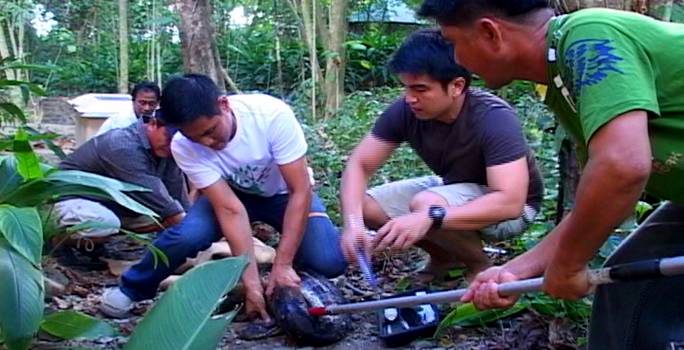
Doc Nielsen Donato encounters a painted bronzeback tree snake infested with tapeworms. The tapeworms create numerous cysts in the snake’s body, and this infestation could be the reason why the snake is malnourished for its size. Doc Nielsen attempts to create incisions in the snake to get rid of the tapeworms. “Kahit pa wild naman ‘yung snake I still have to treat it, I won’t let go of a chance like this; this is the only time a wild vet can help this animal.”
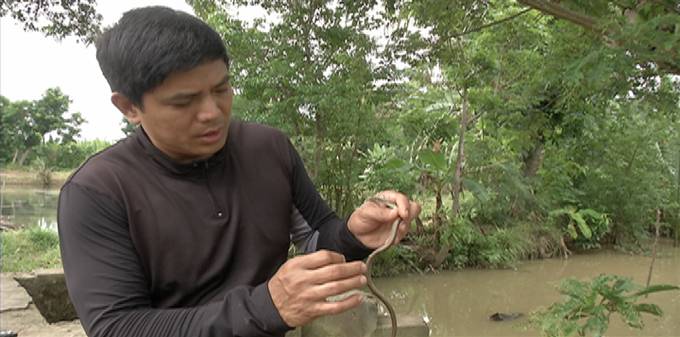
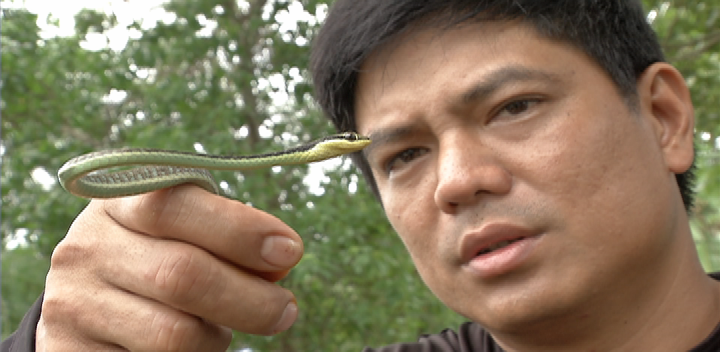
Parasites decrease the host’s biological fitness and can even modify their behavior. Parasites live from exploiting their hosts for resources necessary for their survival like food, water, heat, and habitat.
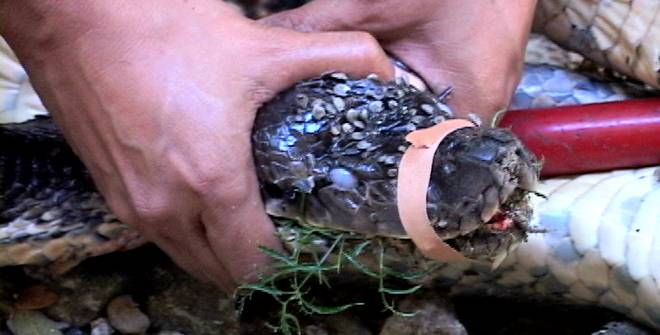
Not even the biggest of creatures can escape from parasites. Doc Nielsen also encounters Komodo Dragons in Indonesia, the biggest monitor lizard in the world. But they too have parasites. Doc Nielsen removes a large tick infesting a Komodo, and learns that these giant lizards get these ticks as hatchlings.
Doc Ferds Recio also encounters giant parasitic worms. He performs a necropsy on a giant whale stranded on a shore and discovers giant roundworms inside the whale’s body. It turns out the whale got the roundworms from its fish and squid diet, and the worms matured as giant parasites in the whale’s body. “Ilang timba ng tubig ang nakuha namin sa tiyan ng balyena, meron ding ngipin ng squid at maraming parasites. Mga roundworms. Kumuha tayo ng ilang sample for identification.

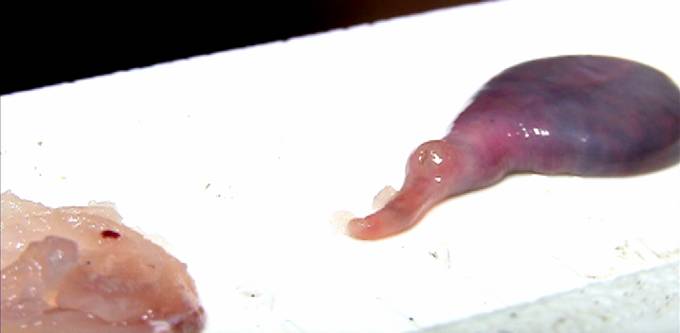
Sometimes these wild parasites can be transmitted to humans. Doc Nielsen discovers a peculiar flatworm in a sailfish caught in Cagayan waters. This can be transmitted to humans if the fish is eaten raw. Doc examines the parasite and observes that it still lived eight hours after it has been removed from the fish’s body!
Catch "Born to be Wild" this Sunday after AHA!

