GMA Brandtalk
 Tracking
 Archives

Where Others See Floodwaters, We See Stories That Need to Be Heard
The rain had already stopped when we found ourselves stuck on the North Luzon Expressway (NLEX). Inside our service vehicle, we barely moved for hours. Cars stretched as far as the eye could see. A trip that should have taken a little more than an hour turned into a six-hour ordeal.
Around us were truck drivers trying to finish deliveries, workers eager to get home, families worried about loved ones, and countless others whose lives had been disrupted by something many thought was already over.
Sitting there in traffic, I realized something we often forget when we talk about floods. Flooding isn't just about the water. It's about everything that comes after, the missed workdays, the canceled plans, the sleepless nights, the uncertainty, and the people left wondering when things will finally get better.
As part of Unang Hirit, weather advisories mean something different for us. For most people, they're a signal to stay indoors and stay safe. For our team, they're a call to duty.
While many seek shelter from the rain, we head toward it - not because we're looking for dramatic images of flooded streets, but because we know that behind every flood is a story that deserves to be heard.
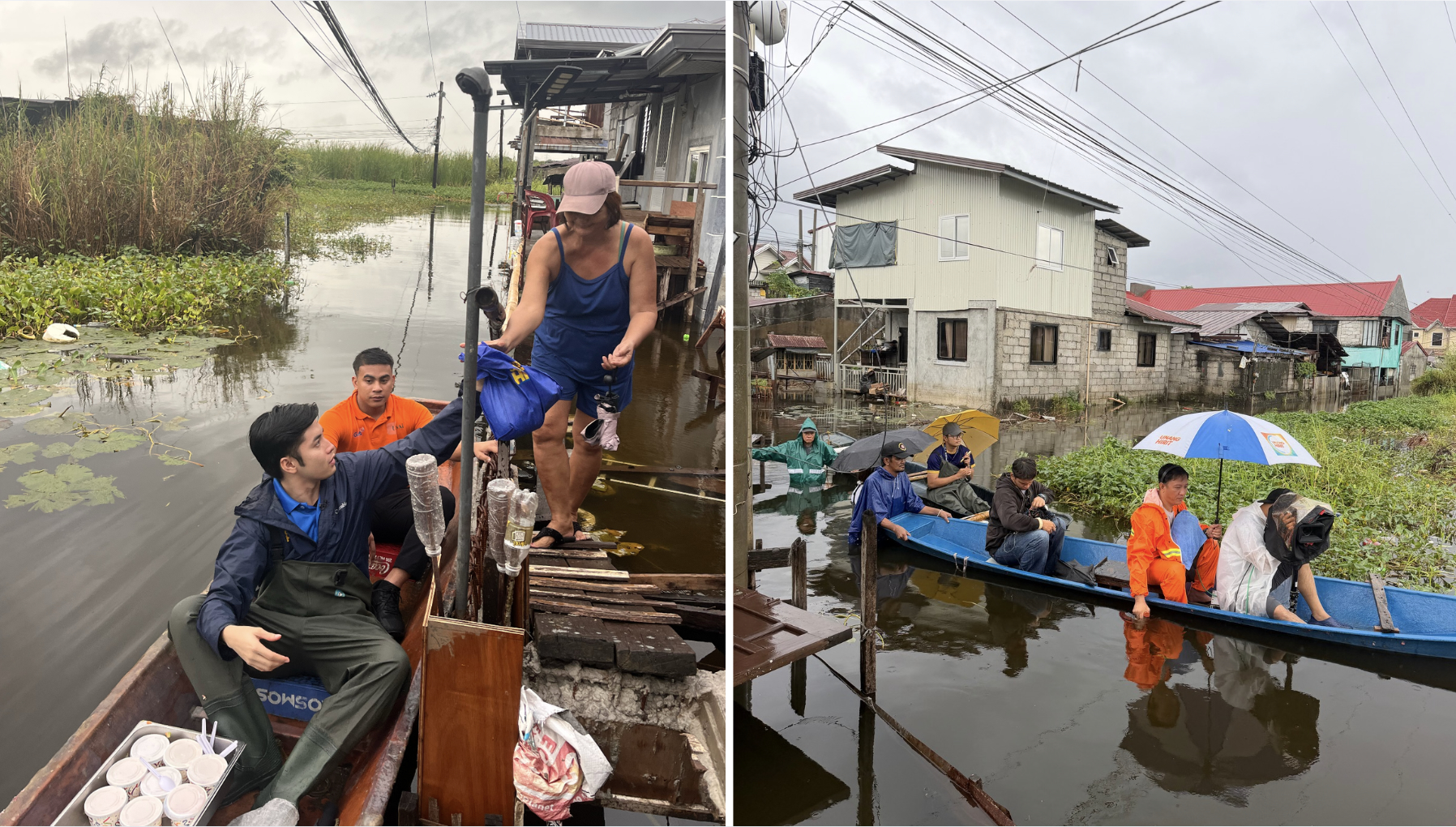
One of those stories brought us to Barangay San Miguel in Calumpit, Bulacan, on August 5.
Much of the community was underwater. Homes were half-submerged, and families had piled their belongings onto makeshift platforms in an attempt to save whatever they could.
Many said they had been going through the same thing for years. Every rainy season brought the same fear. For them, flooding was no longer an unexpected disaster.
It had become part of everyday life.
Watch the video here:
A few days later, we were in Kawit, Cavite, where floodwaters had forced families to evacuate. There, we met Evelyn. Many people had already seen the viral video of rescuers carrying her child through floodwaters. What they didn't see was the mother behind that video, a mother who spent hours terrified for her family's safety.
"Takot na takot ako dahil doon sa aming eskinita ay rinig mo ang lakas ng agos ng tubig. Kaya humingi ako ng tulong sa barangay para ligtas kaming madala sa evacuation center," she told us.
At first, it seemed their story would end there. They made it to the evacuation center.
They were safe…. Or so they thought. Soon, floodwaters began rising outside the very place meant to protect them. Even after the rescue, the uncertainty remained.
Watch the video here:
Our journey eventually took us to Barangay De La Paz in Biñan, Laguna. As soon as we arrived, one thing immediately caught our attention. Boats, not on a river but parked outside homes.
They stood there the same way cars would sit in a driveway, ready to be used whenever floodwaters rose. It reflected resilience, certainly. We often celebrate Filipinos for being resilient, and rightly so. But resilience is sometimes born out of necessity. People learn to live with difficult situations because they have no other choice.
Nearby, a metal footbridge was being built by the local government to help residents cross flooded roads, especially students and workers. It was a practical solution but looking at it, I couldn't help but wonder how many years of flooding had passed before it became necessary and how many more years would pass before communities no longer needed it.
Watch the video here:
Then came Pampanga. Before our live broadcast on August 31, our team traveled to Lubao after reports of homes being damaged and, in some cases, collapsing due to the swelling Pampanga River.
But this assignment turned out differently. This time, the story found us.
Hours of traffic became an overnight struggle. Rising floodwaters made sections of the expressway difficult to pass and even our own team became stranded.
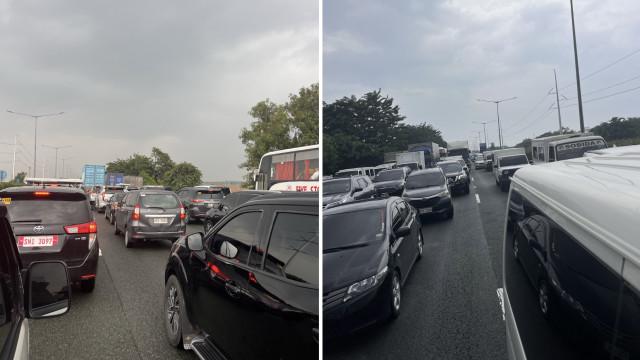
Our anchor Susan Enriquez and host Kim Perez never made it to the assigned location. Instead, they delivered their reports from NLEX, where they too were stuck in traffic for nearly four hours.
What began as a delay quickly became a shared ordeal for thousands of motorists. As traffic crawled to a standstill, many drivers had no choice but to spend the night inside their vehicles. Some had already been stranded for more than 12 hours, uncertain when the road ahead would finally clear.
There were truck drivers transporting goods to different provinces, worried not only about delayed deliveries but also about their dwindling fuel supply. Some feared running out of diesel if the standstill continued, while others carefully calculated whether they had enough to keep their engines running through the night. It was frustrating and exhausting yet the longer we stayed there, the more stories unfolded around us.
Watch the video here:
There are days in this job when exhaustion catches up with you - when you're soaked for hours and stuck in traffic. And yes, there are moments when you ask yourself if all of it is worth it.
Then you meet another family, another worker, another community with a story to tell.
And the answer becomes clear: we keep showing up because their stories matter.
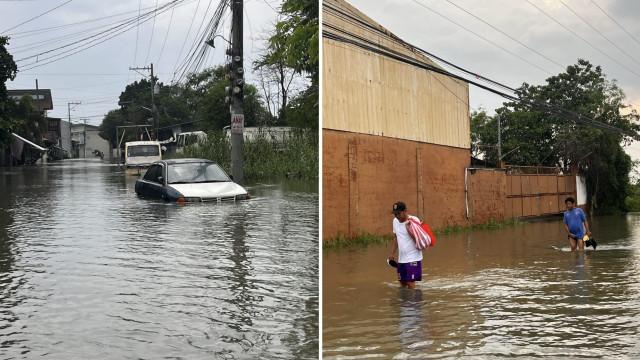
Why do families in Calumpit face the same floods every year? Why do residents in Biñan need boats just to get through their streets? Why are evacuation centers flooded? Why do thousands remain stranded on major highways whenever the rains come?
Filipinos have become experts at enduring but resilience should never be the country's permanent solution to problems that can and should be fixed.
Our stories are not meant to simply document what happened. They are meant to ask why it keeps happening and to remind those entrusted to serve the people that these are not just numbers, statistics, or headlines. These are lives.
We will keep showing up. We will keep telling these stories. But we hope that one day, the people we meet will no longer have to tell us how they survived the flood. They will be telling us how their lives finally changed.
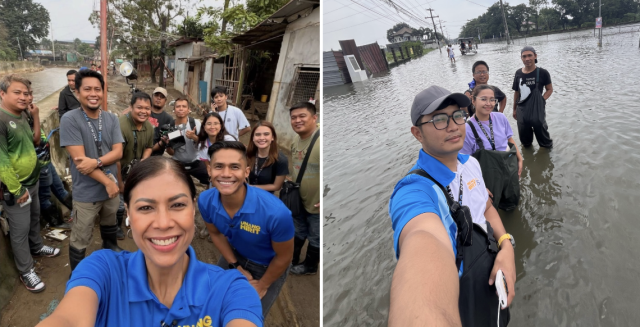
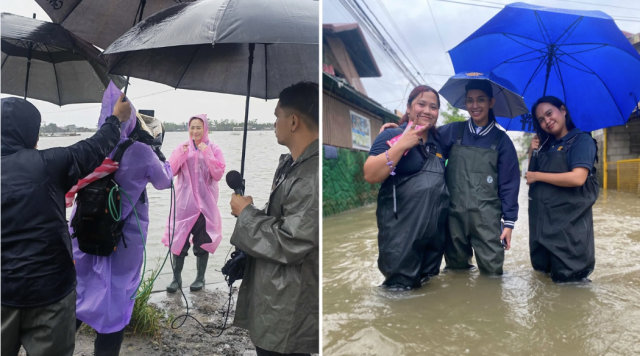
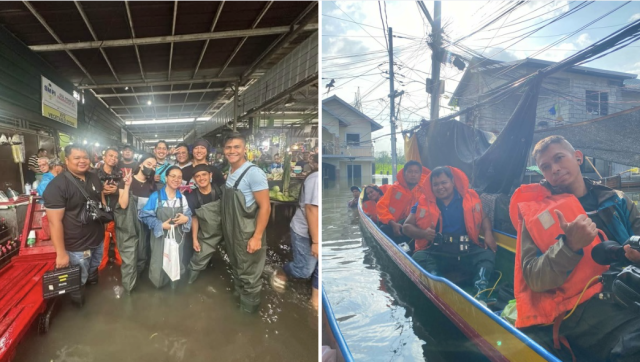
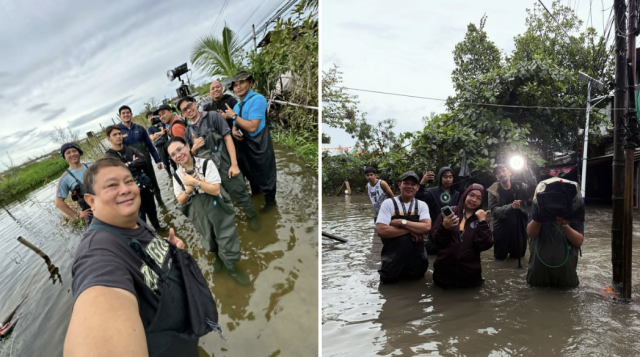
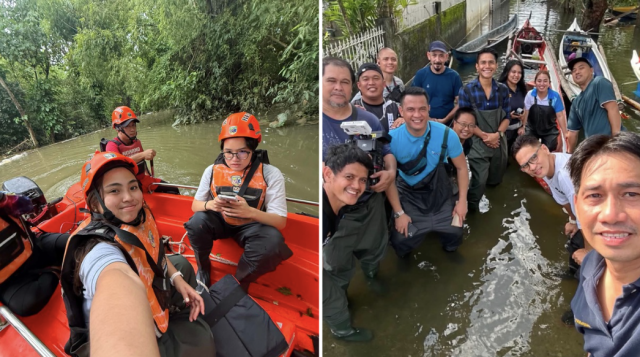
Some of the people behind Unang Hirit who braved the floods and difficult conditions to bring the stories of the Filipino people.