

 GMA Brandtalk
 Tracking
 Archives

ADVERTISEMENT
Filtered By: Publicaffairs
Public Affairs
Fashioning eco-friendly fashion
In September 2013, London Fashion Week paraded the “same old same old” on the runway – voguish models in haute couture. But a new buzzword emerged and took its position in the limelight: sustainable fashion.

Sustainable or eco-friendly fashion takes into consideration the social and environmental impact, including the carbon footprint, of clothing production. It is part of the thriving philosophy of sustainability, the aim of which is to develop a way for people to make use of our natural resources without these being used up or running out. Sustainability can be achieved through environmentalism and social responsibility.
In the Philippines, fashion gurus advocating eco-friendly fashion have been recommending the use of abaca and banana fibers as alternative to conventional raw materials for experimental clothing and other fashion accessories. These materials are said to be more sustainable and friendlier to the environment because they are entirely biodegradable and does not require chemicals and pesticides to grow.

Sustainable fashion is also a part of the larger system of “ethical fashion.” Fashion designers have been embracing the idea of sustainability by using more eco-friendly materials and procedures in clothing fabrication other than just donating a fraction of their sales to a charitable cause.
Celebrities such as Bono and Stella McCartney have recently shown support for environmentally-friendly fashion. A growing number of Hollywood celebrities have also allied with sustainable fashion, including Natalie Portman, Cameron Diaz, Jennifer Aniston and Selma Hayek.
‘Green’ materials
The sustainability of a clothing material is measured using the following factors: renewability of the material, its source, the process of turning it into a textile, working conditions of the people involved in the production and the material's total carbon footprint. These factors define the three following criteria that distinguish environmentally friendly from ordinary fabrics:
Sustainable or eco-friendly fashion takes into consideration the social and environmental impact, including the carbon footprint, of clothing production. It is part of the thriving philosophy of sustainability, the aim of which is to develop a way for people to make use of our natural resources without these being used up or running out. Sustainability can be achieved through environmentalism and social responsibility.
In the Philippines, fashion gurus advocating eco-friendly fashion have been recommending the use of abaca and banana fibers as alternative to conventional raw materials for experimental clothing and other fashion accessories. These materials are said to be more sustainable and friendlier to the environment because they are entirely biodegradable and does not require chemicals and pesticides to grow.
Sustainable fashion is also a part of the larger system of “ethical fashion.” Fashion designers have been embracing the idea of sustainability by using more eco-friendly materials and procedures in clothing fabrication other than just donating a fraction of their sales to a charitable cause.
Celebrities such as Bono and Stella McCartney have recently shown support for environmentally-friendly fashion. A growing number of Hollywood celebrities have also allied with sustainable fashion, including Natalie Portman, Cameron Diaz, Jennifer Aniston and Selma Hayek.
‘Green’ materials
The sustainability of a clothing material is measured using the following factors: renewability of the material, its source, the process of turning it into a textile, working conditions of the people involved in the production and the material's total carbon footprint. These factors define the three following criteria that distinguish environmentally friendly from ordinary fabrics:
- the consumption of fewer toxic chemicals
- less use of land or water
- the reduction of greenhouse gases
Some examples of more sustainable fabrics are hemp, bamboo, soya, abaca and banana.
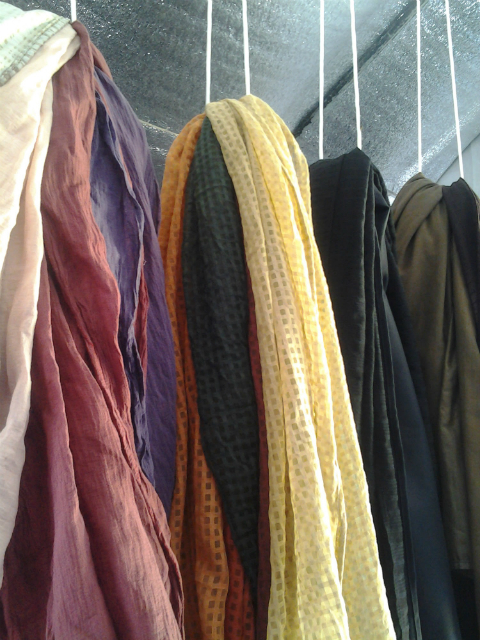
Tips on how to be sustainably stylish and fashionable
1. Select the right fabric. There's a general misconception that everything natural is eco-friendly while anything man-made is wrong. This isn't right all the time. Take cotton for one, a natural fabric but is also considered one of most unsustainable due to the process of turning it into a textile. Instead of using cotton, we can substitute organic cotton which is free from toxic chemicals and uses less water.
2. Say no to cheap, quick clothing made in factories. Sustainability isn't just about the environment. It's also about the artisan communities that handcraft and uses traditional tools in producing clothes and fashion accessories. Their way of production uses less resources and other unsustainable practices associated with factories. Create demand for the works of these people by patronizing products from designers and companies who work for these communities.
3. Repair, recycle, re-use. Do not simply throw a shirt just because a button has come undone. There are many shops and stores nowadays that offer cheap repair services or take used garments for repurposing. Also, if you do not have the luxury of time to visit these shops, you can always DIY. It's easier and more practical.
4. Patronize locally made clothes and accessories. These products have less carbon footprints because they were produced in the country and didn't expend so much energy for transportation. You are not only helping the environment, you are giving our economy a boost as well!
5. Ukay-ukay! Who said buying second-hand isn't worth it? Remember: Someone else's garbage is another person's treasure. Also, make sure to donate your old clothes and styles as well. And if you're feeling creative and resourceful, you can always put your own spin on old items and overhaul them to create a new, DIY look... just like style diva Solenn!

