

 GMA Brandtalk
 Tracking
 Archives

Sandra, Kara, Howie, Jay talk about the role of 'I-Witness' and the future of documentaries
_2015_11_14_12_50_06.jpg)
Through its 16 years in the local television industry, there’s no denying that “I-Witness†has helped in raising the nation’s social consciousness through its eye-opening stories--and it has always been the show’s role. As Kara David says, “We try our best to give the viewers a new pair of eyes with which to see the world.â€
“I-Witness†has always served the marginalized sector, she adds. According to her, “Going to places na hindi naaabot ng serbisyo, giving a voice to the voiceless or marginalized, maging mikropono ng mga walang boses, maging tulay ng mga ‘di naaabot, [at] maging salamin ng mga tao at bagay na madalas binabalewala†are just among the many roles that “I-Witness†has played through its years of service.
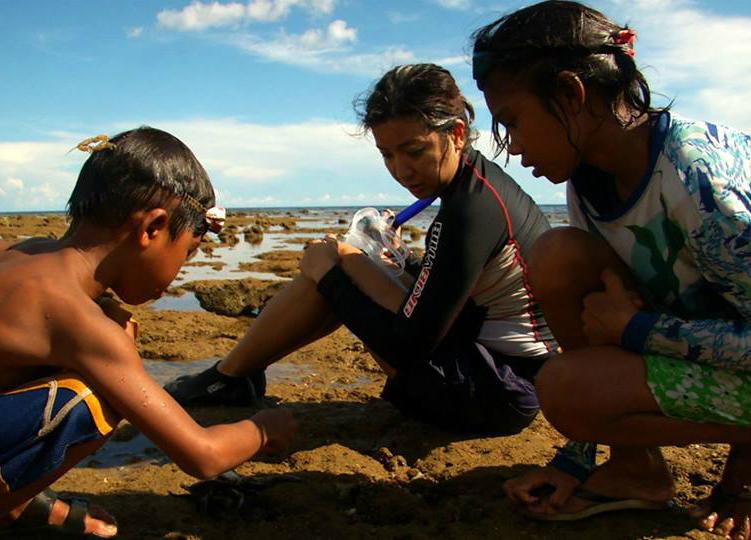
Jay Taruc shares the same sentiment. He says, “'I-Witness' provided awareness to social issues on the mainstream media through unforgettable stories we air every week.â€
But to get the subjects open up about their stories to national TV, Howie Severino learned that it shouldn’t be done as a job but rather as a form of genuine human connection.
“The more time you spend digging into a subject, the closer you get to the whole truth,†says Howie, adding that even until today, he’s still in touch with some of the many people who have already become subjects of his documentaries. He says about them, “They usually give this gift of time without asking for anything in return. Many do not even need or want publicity.â€
Howie adds that he cherishes his moments with his subjects off the camera because that’s the best time for him to better meet them.
“The moments off camera can be even more precious, when subjects are often less guarded and more open,†he says. “It is in those moments when a subject is just a person. And sometimes, he or she becomes a friend.â€
The success of "I-Witness" shouldn’t just be credited to the interesting people, places, and culture that have already become subjects of the documentaries. The audiences, too, are all part of the influence that the show continues to have in the nation.
Sandra Aguinaldo’s faith in humanity, for instance, was restored because of her job as a documentarist for "I-Witness," where she said she experienced for herself genuine acts of kindness of the Filipinos.
“Mayroon na kaming (hosts) personal experiences of Filipinos offering help after watching [a particular] documentary, kapag nata-touch sila,†she said. Sandra adds that they have already helped some young kids—who were once subjects of a documentary that she produced—graduate from college because of the help of the viewers. These students are now teachers.
“Ang dami palang matutulungin na Pilipino. Even those na parang masasabi mong hindi naman sila mayaman pero they’re offering help.â€
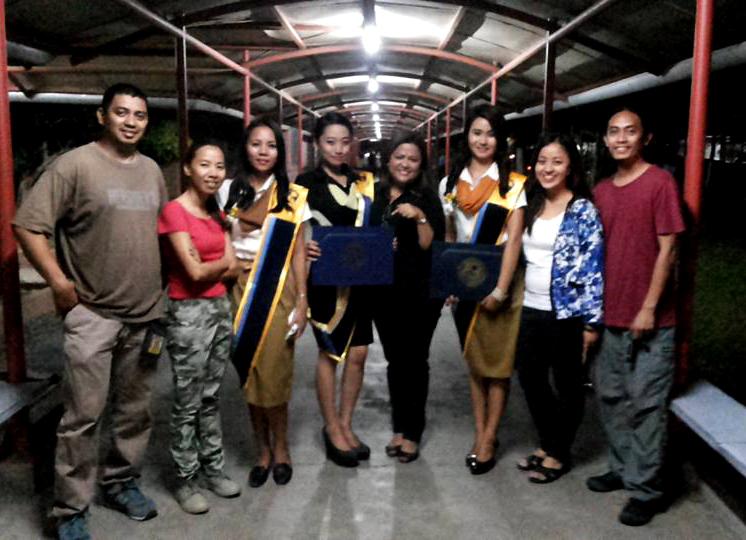
The show, definitely, had gone past through their expectations since it was launched in January 1999, according to Jay. He says that there were a lot of doubts that "I-Witness" would reach a lot of viewers—let alone make an impact—because the documentary wasn’t a popular format yet. But the people that comprise the show are all overwhelmed by the reception that it gets from the audiences, specifically those in the academe.
Kara adds, “Masaya kami na ang docu genre na sinimulan ng 'I-Witness' sa Pilipinas ay patuloy na lumalago. Ang dami-dami na ngayong dokumentarista at admittedly I feel humbled kasi marami ang mas magaling na sa akin.â€
The future of documentary in the Philippines
Now that "I-Witness" has survived through 16 years of eye-opening existence in the local television scene, what could be the future of documentary in the Philippines? Given the rapid rise of the new media, are documentary shows’ audiences slowly turning into the small screen instead?
The social media isn’t, in any way, silencing the growth of documentary production in the Philippines, according to Jay. In fact, it might as well be its life savior. That’s why Jay refers to social media as the “game changer.â€
“We are so empowered by the video and camera features of our smartphones, and I think it will eventually take over. Documentaries will remain a content that can now be produced using a phone,†he says. “This will definitely affect and make an impact on how we produce and air our stories.â€
At this point, the word “impact†has already been mentioned multiple times in this article. But it should make sense; "I-Witness," the pioneer in documentary shows in the country, is all about making an impact that triggers change in the society.
Sandra says, “Maraming natatanggap na comments ang 'I-Witness' na ‘Uy, hindi namin alam na nage-exist pala ‘yan’ o ‘Hindi namin alam na may ganiyan palang problema. Thank you for opening our eyes.’â€
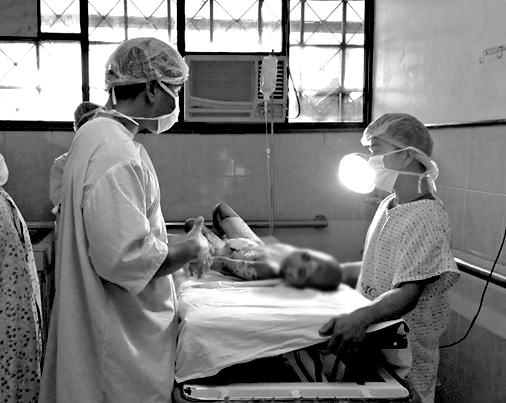
One of Howie’s last dream projects as a documentarist is anchored on impact. He wants to follow the lives of at least some of the disabled children whom have already become subjects of some of his documentaries to see their journey to adulthood—with all the typical challenges that the youth struggles with and with the issues that the disabled continues to experience.
“This is a project that can actually be continued over decades, generations even to see how the kids fare as parents and spouses,†Howie adds. “[I wish] that my documentary series will make some influential people do things that will improve the lives of all disabled kids.â€
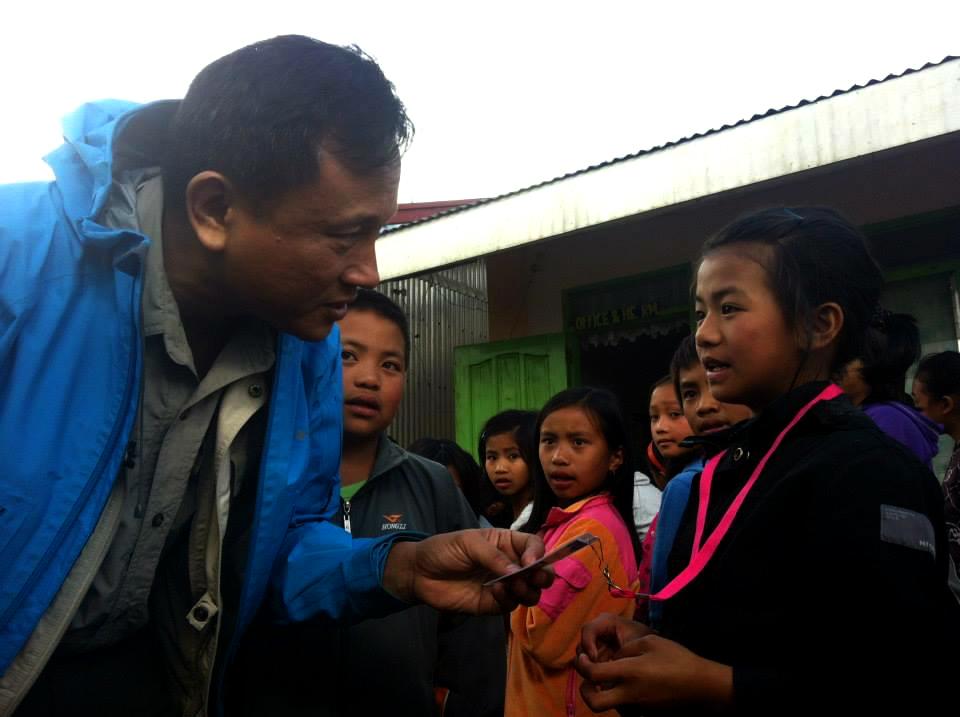
Seeing more lives being changed and improved through documentaries is the same vision that Sandra sees for "I-Witness." As she looks forward to the future of documentary in the country, she sees that "I-Witness" will no longer be just an eye-opener but will also trigger the reflexes of the audiences to move.
“It’s not enough na nag-enjoy sila. Sana parang ma-motivate pa namin sila to actually do something,†she says. “We’d like to do documentaries that really change lives of the Filipinos.†—BMS, GMA Public Affairs
Watch I-Witness’ 16th Anniversary Special on November 14, 2015, 10:30PM after Celebrity Bluff. For more information about I-Witness, follow them on Facebook and Twitter. For more information about your favorite GMA Public Affairs shows, follow them on Facebook, Twitter, and Instagram.

