

 GMA Brandtalk
 Tracking
 Archives

‘Isla Kulinarya’: Is Pinoy cuisine the next big thing?
Pinoy food has been in the international spotlight recently—from sisig being declared by New York Times as the “best pork dish on earth” to the Westerners raving about Chori Burger.
This got some people asking: is Pinoy cuisine the next big thing in the global food scene?
In an interview with veteran Filipino journalist Jessica Soho, world-renowned chef Alain Ducasse reminds us of one thing that could make this possible: preserving our own culinary identity.
“First thing is get rid of everything too fatty, too sweet and salty. This concept of food is all part of Americanism,” he said.
Here are some proudly Pinoy dishes that “Kapuso Mo, Jessica Soho” featured in a special documentary, “Isla Kulinarya.” Read on and decide which dish deserves to represent the Philippines.
Chori Burger
A Filipino burger has found itself in the international spotlight, thanks to the recently concluded “Battle of the Burger” in the United States.
Chori Burger, the main item on the menu of a Filipino-owned gastropub in New York, is made with beef and chorizo-like longganisa, topped with banana ketchup and atsara (pickled green papaya). It was inspired by the chorizo and longganisa burgers offered at Merly’s BBQ in Boracay.
Foodies seemed to like Chori Burger’s distinct taste; it was voted as the “Best Burger in New York,” beating some of the most popular burger varieties in the Big Apple, including Shake Shack and Burger Joint.
Sisig
Pampanga, the country’s Culinary Capital, is the home of the original Pinoy sizzling appetizer: sisig. Recently, New York Times columnist Ligaya Mishansaid sisig is “arguably the greatest pork dish on earth.”
It was in 1974 when restaurateur and proud Kapampangan Lucing Cunanan invented the first sisig recipe. She accidentally burnt a pork ear but instead of throwing it away, she chopped it up and mixed it with sugarcane vinegar, soy sauce, onions, pepper and chili.
Eventually, Aling Lucing put the dish on her restaurant’s menu—and the rest is history. Through the years, different versions of sisig have won the hearts of Filipinos and foreigners alike.
Lechon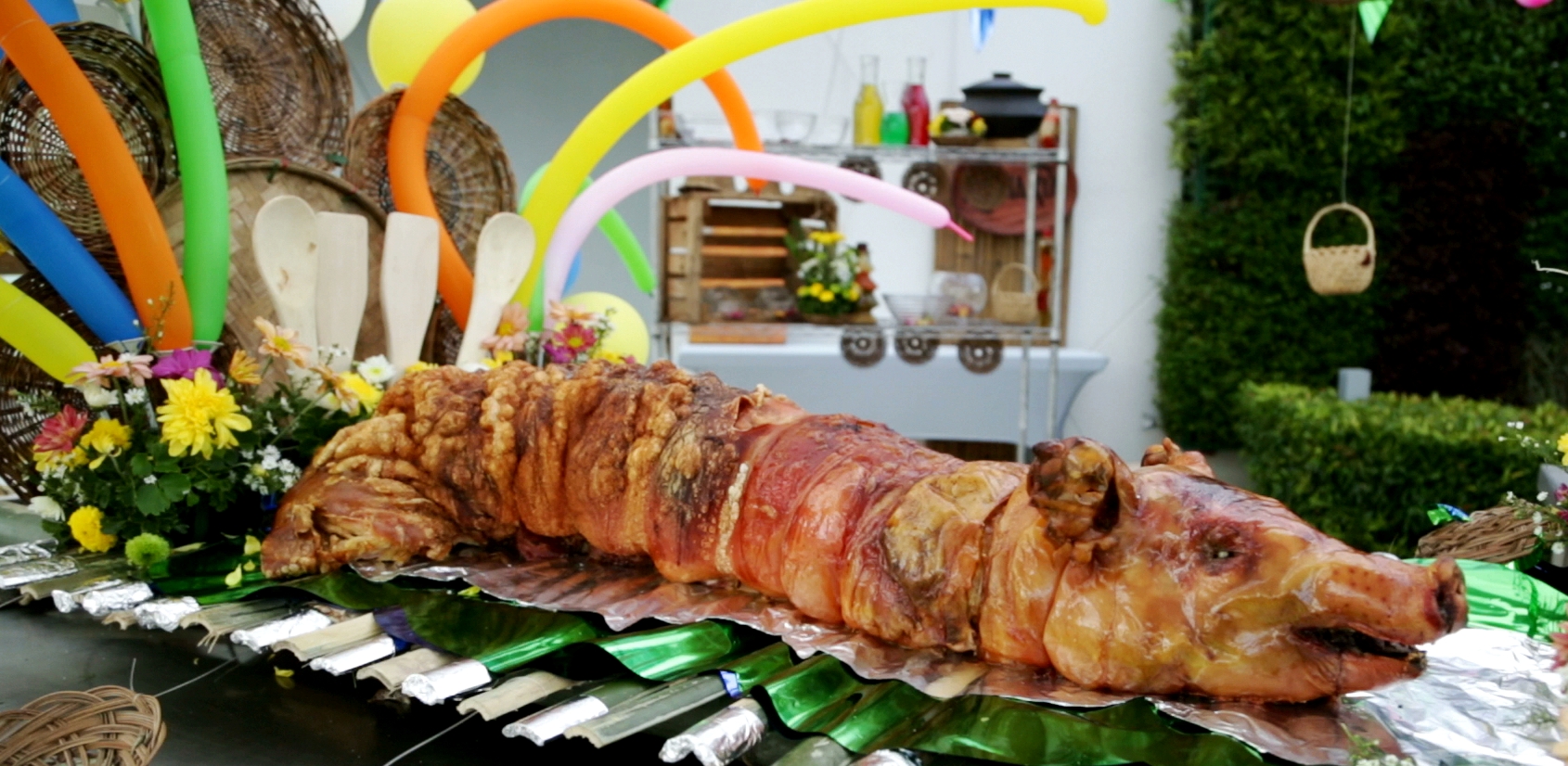
Lechon is considered the star of every Filipino feast and banquet.
Since the 1960s, Brgy. La Loma in Quezon City has been a famous destination for Filipinos craving for crispy and tasty lechon. Meanwhile, in Batangas, there is a yearly Lechon Festival where the roasted pigs are dressed up and paraded around the town.
But for popular American chef and television personality Anthony Bourdain, the “best pork ever” belongs to Cebu, where lechon is also a flourishing business.
Some modern versions of lechon currently gaining popularity include Angeles, Pampanga’s “Three Little Pigs” (lechon with three different stuffings) and chef Claude Tayag’s Lechon Taco (lechon flakes wrapped in tortillas with onions and tomatoes).
Sinigang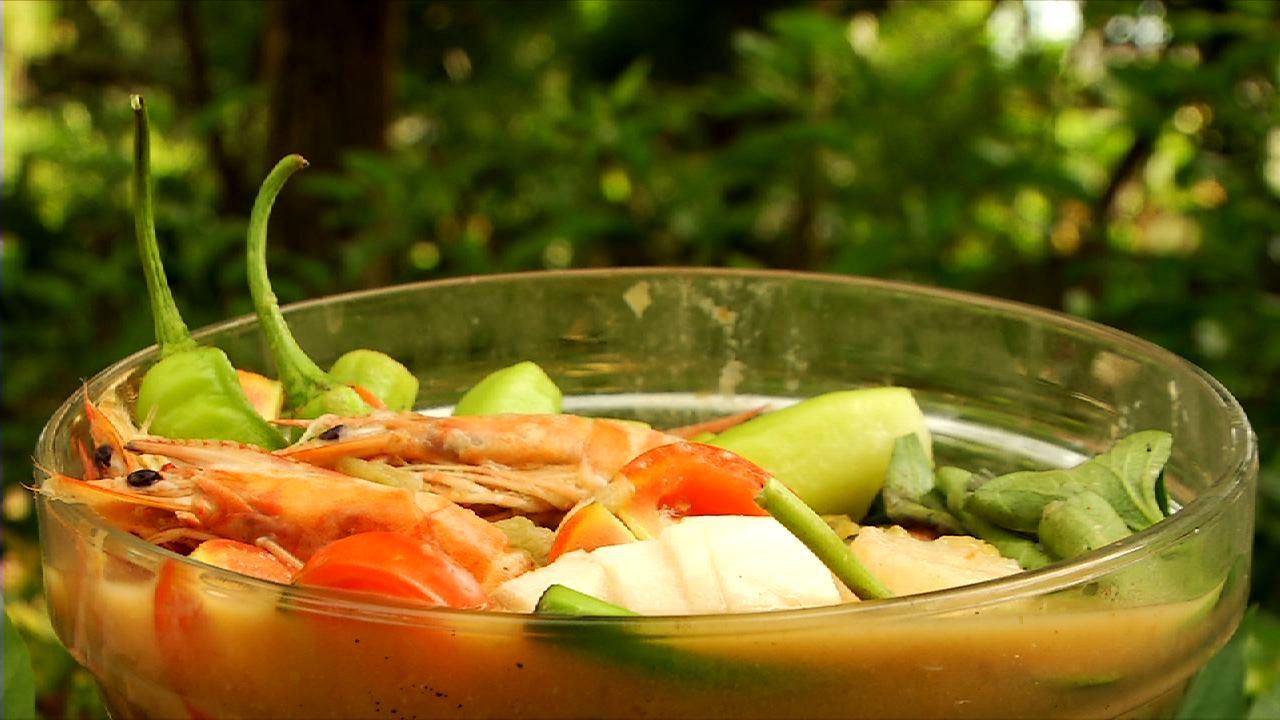
Known for its tangy taste, sinigang is one of the oldest soup dishes in the Philippines. It was even mentioned by Jose Rizal in his novel “Noli Me Tangere.”
Our ancestors believed in the soup’s health benefits, registered nutritionist and dietician Cyril Reyes told “Kapuso Mo, Jessica Soho.”
“Pinagsasama ng mga ninuno ‘yung mga gulay sa sabaw at ‘yung asim kasi nakakapagpagaling ng sipon,” she said.
The sinigang’s main ingredient can be fish, pork, beef, shrimp, or chicken, combined with vegetables like okra, water spinach and eggplant. Fruits such as guava, tamarind and santol are used to make the dish sour.
Adobo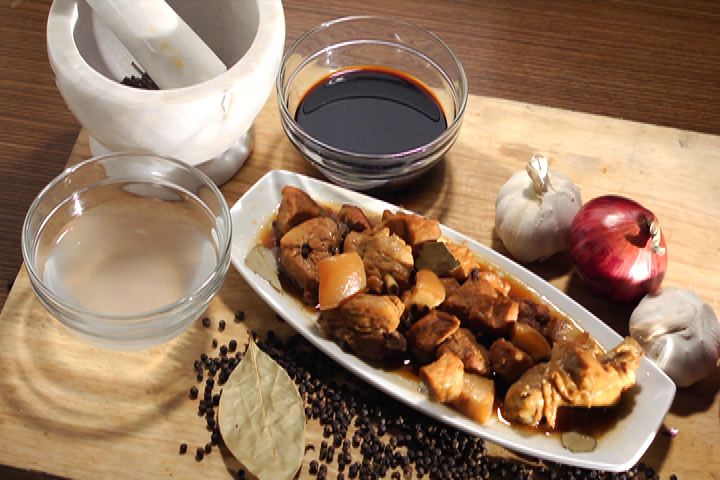
Even before the Philippines was colonized by other countries, our ancestors were already preserving meat by mixing it with salt and vinegar.
When the Chinese came, salt was eventually replaced by soy sauce. And when the Spaniards took over, they called the dish adobo from the Spanish word “adobar,” meaning “to marinate.”
Today, there are countless ways of cooking adobo. Food historian Nancy Lumen says this could be due to our country’s geography.
“Dahil divided tayo sa mga pulo, marami tayong naging version,” she said in an interview with “Kapuso Mo Jessica Soho.”
During a panel discussion with Chef Tatung Sarthou and Chef Sau del Rosario, Nancy chose adobo as the best dish to represent the Philippines internationally, among all the dishes featured in "Isla Kulinarya."
Kare-kare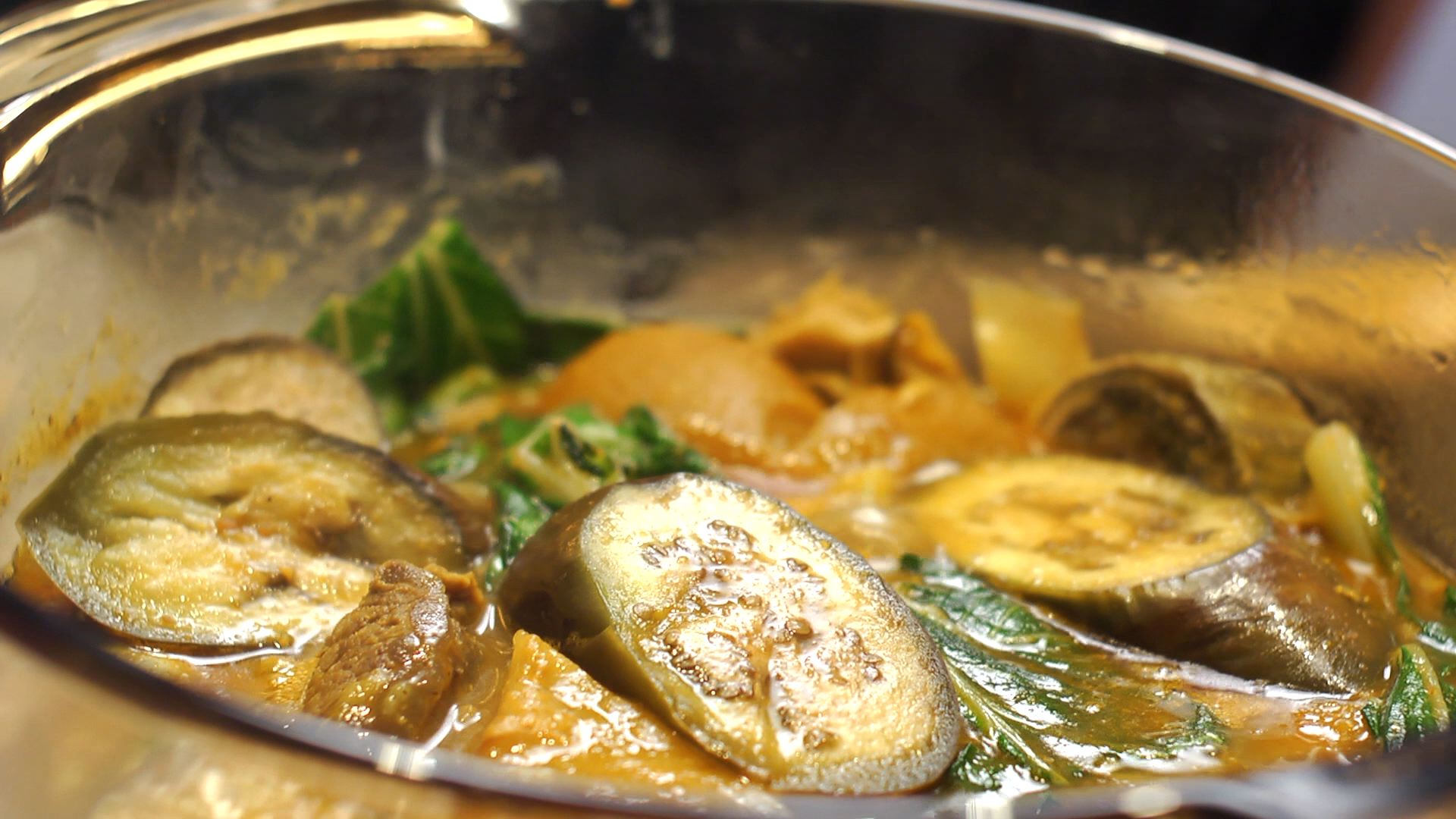
A kare-kare takes hours to cook, but it is definitely worth the wait.
Kare-kare is basically a stewed dish with meat, oxtail, vegetables and a sauce made of roasted peanuts or peanut butter. It is often served with bagoong (shrimp paste). Sometimes atsuete is used to add color to the dish.
In an unofficial food battle, “Kapuso Mo Jessica Soho” challenged three Filipino restaurants known as pioneers in serving kare-kare — Barrio Fiesta, Cabalen and Teresita’s.
Each version had its distinct ingredient but in the end, Cabalen's version was declared the “best kare-kare in town” by the panel composed of culinary experts Jam Melchor, Nancy Lumen and Sandy Daza. —Rica Fernandez/BM, GMA News

