

 GMA Brandtalk
 Tracking
 Archives

ADVERTISEMENT
Filtered By: Scitech
SciTech
Game Review: ‘Bloodborne’ is a baptism in blood
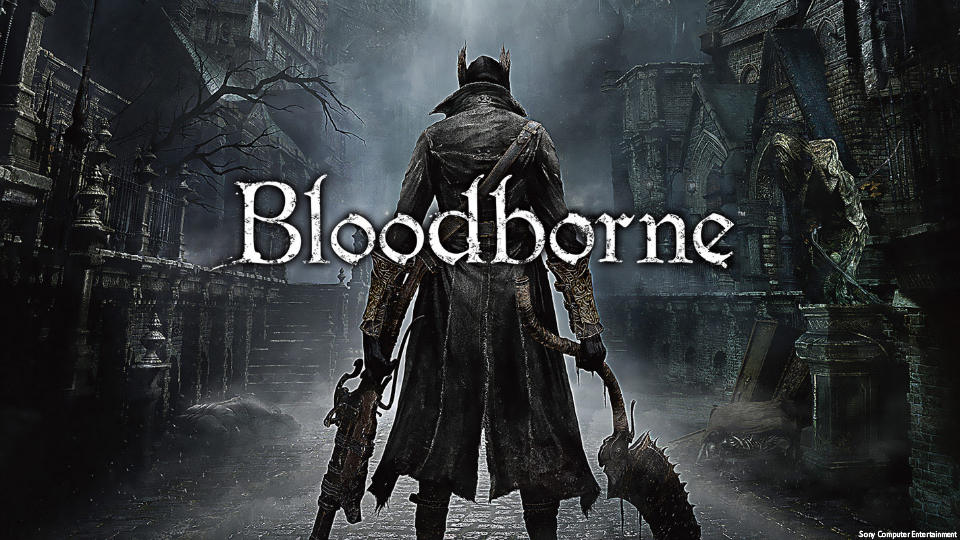
From Software’s “Souls” series has carved a gruesome path through gaming as some of the most excruciatingly punishing experiences anyone can have – provided you’re bold enough to take the plunge into their twisted, unforgiving worlds.
At its core, their latest title, “Bloodborne,” is no different: its exacting difficulty will still drive you into fits of rage or its more sinister cousin, despair; the reward for overcoming insurmountable odds remains unparalleled euphoria. But while sharing the same genetic code as its predecessors, “Bloodborne” is its very own beast. It’s not only faster, it’s also profound in its embrace of the macabre, and ambitious in its telling of a grim epic steeped in religious undertones. The result? A decadent pleasure that’s equal parts the distillation of what made the “Souls” titles such gaming landmarks, and a fresh, blood-pumping expedition into the heart of wickedness.
Embracing the horror
Once a city renowned for its medical remedy, Yharnam has succumbed to a mysterious plague that has invaded the minds of its citizens, turning them into something other than human.
Now deranged, bloodthirsty mobs roam the streets, while in dark corners lurk feral creatures, waiting only for the opportune moment to strike at the unwary. As a Hunter, you’ll prey on horrors both man and beast. And as the night deepens, you’ll descend into the city’s malevolent underbelly – in the frail hope of unraveling the secret behind the scourge that has taken the populace hostage.
With “Bloodborne,” From Software leaves behind medieval fantasy for a Lovecraftian-inspired nightmare set in a dismal, Victorian metropolis. Its murderous denizens aside, everything in Yharnam screams “inhospitable.” Gothic towers pierce the bleeding sky. Statues of the penitent frozen in the throes of agony grace staircases and street corners. Thoroughfares are littered with the detritus of human civilization, from broken-down stagecoaches to unclaimed coffins and mangled corpses.
This disturbing artistry extends to the sound design. From shrieks behind closed doors puncturing the night’s preternatural stillness to the cackling of hags, it’s rare to find a moment of peace in “Bloodborne.” Even isolation is pregnant with impending misfortune.
It’s viscerally unsettling, the sense of doom so palpable you can feel it like a coating of grime on your skin. But it’s also mesmerizing, a hideousness that craves investigation. And as the world opens up before you, it grows only more disconcerting.
The story itself is as shrouded in mystery as Yharnam and its outlying locales are in a miasma of malice and death. “Bloodborne’s” lore is stowed away in cryptic item descriptions and NPC encounters. There’s no hand-holding here; comprehending “Bloodborne’s” mythology will require you to dig deep.
A deadly waltz under the blood moon
From sinewy lycanthropes to eldritch horrors inhabiting the darkest corners of the depraved psyche, “Bloodborne’s” monsters push the envelope of the grotesque. They are also as tough as they come. Don’t expect circle-strafing to work as it did in “Dark Souls II”; here, you’ll be attacked in droves, while some creatures are as nimble as you are, if not more so.
While combat will feel familiar to “Souls” veterans, it’s changed enough to necessitate considerable tweaks to timeworn strategies.
Gone is the security blanket of your heavy shield, and the encumbrance of armor. Light as a feather, your Hunter is all about evasion, timing, and going on the offensive. There are no long-range sorceries or bows, either, effectively weeding out dirty sniping tactics which saw prevalent use in “Souls.”
As the greatest departure from traditional “Souls” combat yet, “Bloodborne” introduces firearms to your repertoire of armaments. Held in your left hand, guns do negligible damage. But shoot your prey at the perfect moment during their attack animation, and you can stagger them, leaving them vulnerable to a devastating counterattack. The payoff to exploiting this painfully narrow window of opportunity is exhilarating. You can only carry twenty bullets at a time, however, so be judicious with your shooting.
Also new are the ingenious trick weapons, which go into your right hand. These boast two modes: usually one that’s powerful yet lumbering, and another that’s in-your-face, but weak. For example, the Kirkhammer is a swift blade that turns into a massive, stone block capable of crushing monsters flat. Specific transformations work better against certain foes; fortunately, you can switch between modes on the fly.
Like bullets, your health items are finite in number. Thankfully, quick, successive strikes can sometimes regenerate lost hit points in the heat of battle. This stimulates aggressiveness, and embodies “Bloodborne’s” commitment to offense-oriented combat.
You’ll find that there are fewer collectible weapons in “Bloodborne” than in “Souls.” While this may disappoint, it encourages you to hone your skills with your given tools, instead of seeking out the next cheapest item in the game’s inventory.
Unfolding nightmare
“Bloodborne” features some of the most brilliantly crafted levels in games. Its myriad areas will meander, diverge, throw every hazard at you, then surprise you with a gate that connects to a previously explored area. These shortcuts are a blessing in a game uncharitable with checkpoints.
Lanterns are “Bloodborne’s” bonfires. It’s a pity you can’t warp between lanterns; to revisit discovered regions, you’ll first have to return to the hub world, Hunter’s Dream. This nuisance is compounded by “Bloodborne’s” appallingly slow loading times.
Hunter’s Dream also allows you to recuperate, allocate Blood Echoes (the game’s equivalent of souls and its chief unit of currency) to your six attributes, repair and upgrade weapons, and more.
Eventually you’ll also be able to access randomly generated Chalice Dungeons. Their layouts lack the complexity of the main areas’, but they do offer unique items and bosses, and of course, replayability beyond NG+. Players can share these creations online with one another.
Multiplayer works like it does in “Souls,” allowing players to drop hints and reveal to others the manner of their demise. Co-op and PVP return as well, except that now you can password-protect your game, preventing unwanted invasions.
Triumphant
Though “Bloodborne” can be completed in more or less forty hours, it could potentially last you many weeks, if not months of play. This game demands focus, precision, and unwavering determination, and such extraordinary challenges never get old. Similarly, the stunning, brutal beauty of its world will likely remain as strangely inviting as when you first stepped foot into it.
More importantly, “Bloodborne” is an experience rife with powerful, emotional moments. Anguish will be your constant companion, such as when a well-thought-out plan crumbles in the face of overwhelming odds, or when the kindly old lady who was braving the streets just to bring you medicine is killed a mere few steps away from sanctuary. When it dawned on me that I had unwittingly sent a child to her death, I had to set my controller down, and rethink my reason for playing a game that could affect me in so harrowing a fashion.
The reason is simple: the elation that seizes your entire being upon rising from this baptism in blood is priceless. “Bloodborne,” like its eminent predecessors, is one of the few games where death becomes a source of pride. For what is death but a sign that you’ve conquered your fears, persevered against the impossible, and emerged triumphant? — TJD, GMA News

