
 GMA Brandtalk
 Tracking
 Archives


DOST eyes food consumption guidelines, AI app to curb waste amid El Niño
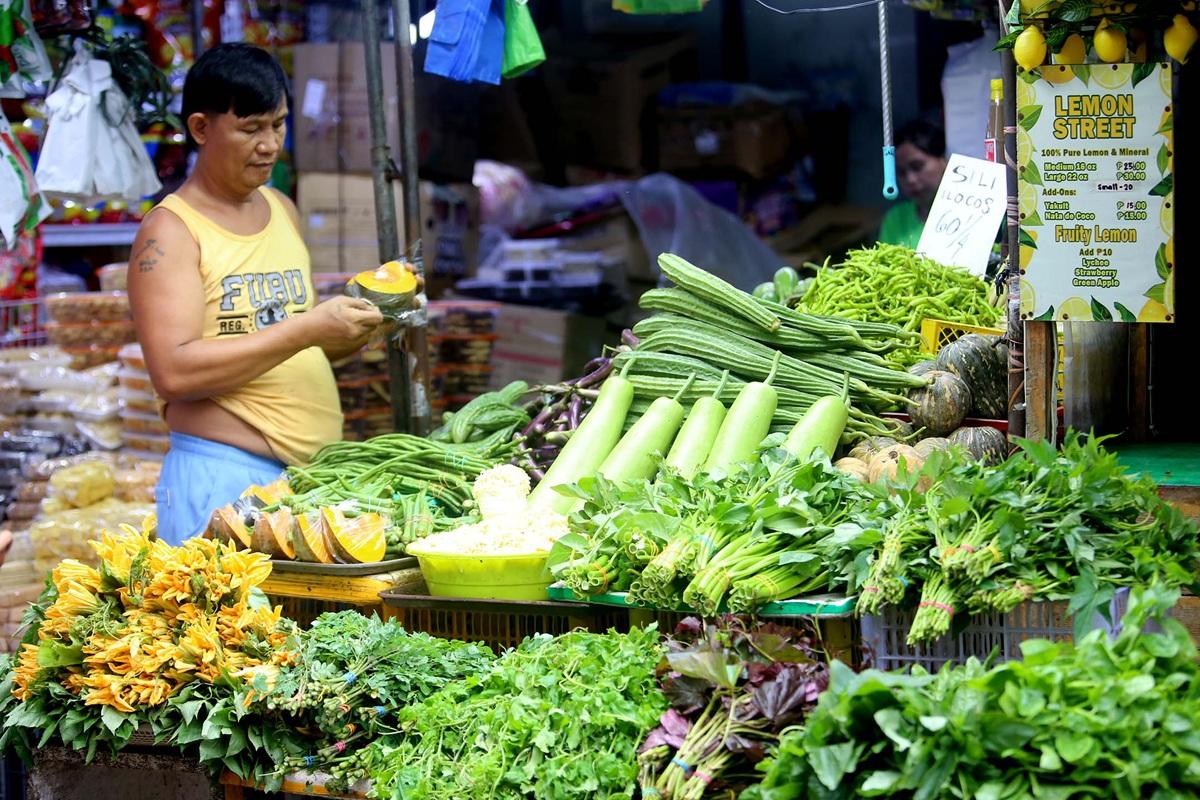
The Department of Science and Technology (DOST) is looking into crafting guidance for responsible consumption of food to avoid wastage amid the looming impacts brought by the El Niño phenomenon.
In a press conference, DOST Secretary Renato Solidum Jr. said the DOST-Food and Nutrition Research Institute continues to study the volume of food wastage in the country to come up with the guidance.
"Kailangan magkakaroon tayo ng tamang guidance sa pakain (we need to have proper guidance in food consumption). And this is what we're trying to also look into," Solidum said on Monday.
"We hope that we can further guide them in eating responsible food by developing an AI assistant app to count the calories per menu," he added.
The United Nations Food and Agriculture Organization (FAO) defined food waste as the decrease in the quantity or quality of food resulting from decisions and actions by retailers, food service providers, and consumers.
Based on the Food Waste Index Report in 2024, Philippine household food waste amounted to 2.95 million tonnes a year or 26 kilograms per capita.
According to PAGASA, hotter-than-usual conditions will be experienced over most of the country in the coming 6 months due to El Niño.
It earlier said the average temperature across the Philippines is set to rise by 1 to 2 degrees Celsius during the ElNiño phenomenon.
Meanwhile, the Department of Health warned that food could spoil faster because of the hotter weather brought by the El Niño.
It advised the public to cover the food, make sure to consume the cooked food, and do not leave it out in the heat to prevent bacteria from multiplying
Food security
To ensure the country's food security, Solidum suggested changing the planting schedule to adapt to shifts in climate patterns.
"Overall, in the long term, we should be looking at also changing the planting schedule or cropping schedule, and that is done by [the Department of Agriculture], pagdating sa mga pronouncements, ang PAGASA," Solidum said.
(Overall, in the long term, we should be looking at changing the planting schedule or cropping schedule, and DA does that. When it comes to pronouncements, the PAGASA.)
"Kasi itong possibility na iyon, matagal na itong pino-forecast, always six months ahead, so may ginawa na po sila," he added.
(Because this possibility has been forecasted for a long time, always six months ahead. So they have done something.)
The World Food Programme said there is food security when "people have access to enough safe and nutritious food for normal growth and development."
Funded by the DOST, the Automated Furrow Irrigation System (AFIS) and Nutrio, a microbial-based foliar fertilizer, have enabled sugarcane farmers in Paniqui, Tarlac, to more than double their yields while reducing water and fertilizer use.
The Automated Furrow Irrigation System (AFIS) uses soil moisture sensors, irrigation flow models, and automated controls to deliver the amount of water crops need.
Meanwhile, Nutrio contains beneficial microorganisms that improve soil fertility, stimulate plant growth, and reduce dependence on inorganic fertilizers.
FAO earlier called for soil assessment in the country's farmlands to ensure food security amid the El Niño.
"There may not be rain, but if our groundwater is really secure and it's available, then farmers would be able to produce food," Dulce Carandang, FAO Philippines assistant representative for programme, said.—LDF, GMA News

