

 GMA Brandtalk
 Tracking
 Archives

ADVERTISEMENT
Filtered By: Scitech
SciTech
Newly-discovered stone circle may be older than Stonehenge
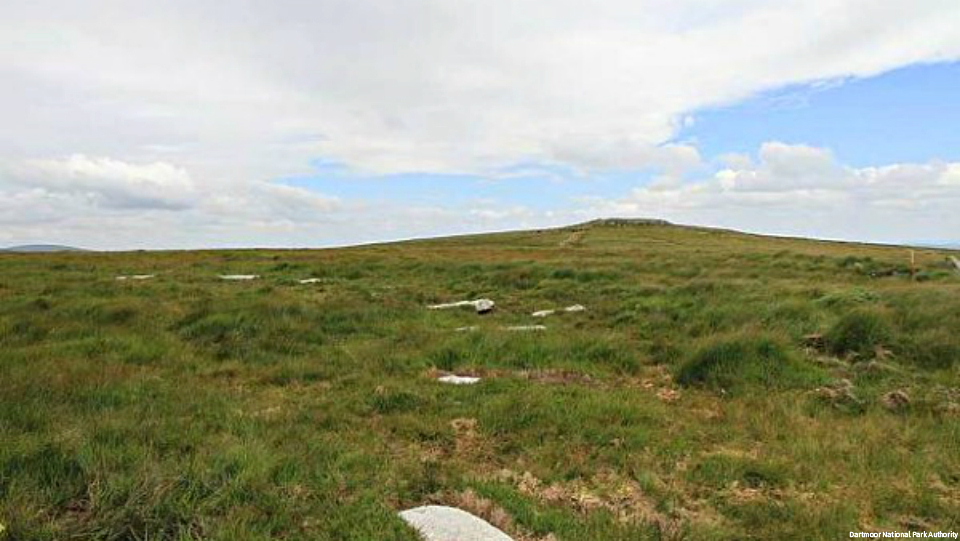
Could this newly discovered stone formation in the United Kingdom be older than Stonehenge?
The Scorhill Bronze Age stone circle at Dartmoor National Park could be a sign of an advanced ancient civilization, Visiontimes.com reported.
The ancient stone circle is the highest circle in southern England at 1,722 feet (525 meters) above sea level. It is also the second largest on Dartmoor, with a diameter of 112 feet (34 meters).
“It’s spectacular, the highest circle we’ve got,” senior archaeologist at Dartmoor National Park Jane Marchand was quoted as saying.
“The sacred arc sites are nearly all perfect circles, so lots of thought went into their construction. It could have been a community effort, with circles in the arc belonging to specific communities in the area,” she added.
Visiontimes said the ancient circle could have been part of a “sacred arc” of sites on the moor, while the remote location and ambition of the arc suggests careful planning in its construction.
A separate report on The Telegraph said the ring is believed to form part of eight separate megalithic constructions forming a “sacred arc” across northwestern Dartmoor.
"It’s speculation, but it might be that you had ceremonies on dark, clear nights, with flames visible from one circle to the other," said Mike Nendick, an archaeology expert and spokesperson for Dartmoor National Parks, told Mirror Online.
“These stone enclosures stood on remote moorland and looked across the hills. It’s incredible to imagine this civilization, who would have spoken an alien language and behaved totally differently to modern-day British people,” he added.
2007 discovery
Independent academic researcher Alan Endacott discovered the Sittaford Tor circle in 2007 after a "controlled burn"—a regulated burning of old growth that is a routine part of landscape maintenance.
However, not much was known about the circle until geophysicists held carbon dating.
Archaeologists used radiocarbon dating and tested soil samples underneath the stones.
They discovered that the stones fell over around 4,000 years ago, suggesting they were erected as far back as 3,000 BC.
"We think that the stone circles were part of their religious practices, and some excavations show that fires were burnt in the middle of the rings," Nendick said.
He added the building of the sacred arc showed “a level of cooperation between tribal communities” for religious purposes.
Religious ceremonies
Visiontimes said many believe the stone circles were the sites of religious ceremonies, built to align with the sun and moon at significant times. — Joel Locsin/TJD, GMA News

