

 GMA Brandtalk
 Tracking
 Archives

ADVERTISEMENT
Filtered By: Scitech
SciTech
Scientists develop cute pet 'micropigs'
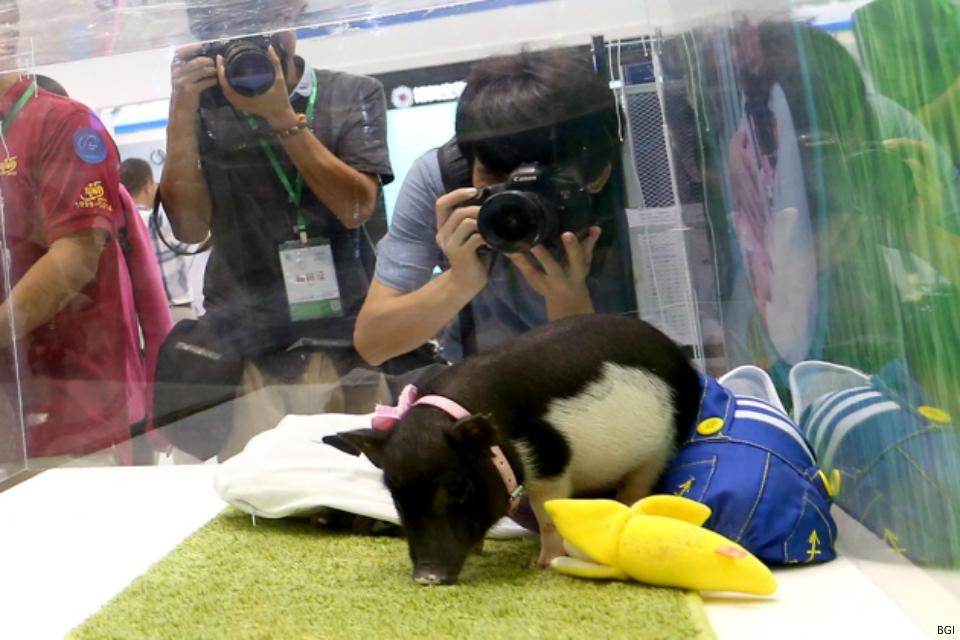
Genetically-edited micropigs will soon hit the pet market, the journal Nature reports. A mature micropig weighs around 15 kg, compared to a 100 kg farm pig.
The pigs were originally developed by the BGI genomics institute as models for research into human diseases. BGI announced on 23 September at the Shenzhen International Biotech Leaders Summit that they would start selling the pigs as pets. In the future, gene editing could also be used to create different coat colors and patterns.
Pigs have been used in research before, since they’re closer physiologically and genetically to humans compared to rats or mice. The problem is that their size makes it more difficult and more expensive to take care of them and conduct research, since you need larger medicine doses for tests. Bama pigs weigh around 35-50 kg which makes them more ideal than farm pigs, but researchers decided to take it one step further.
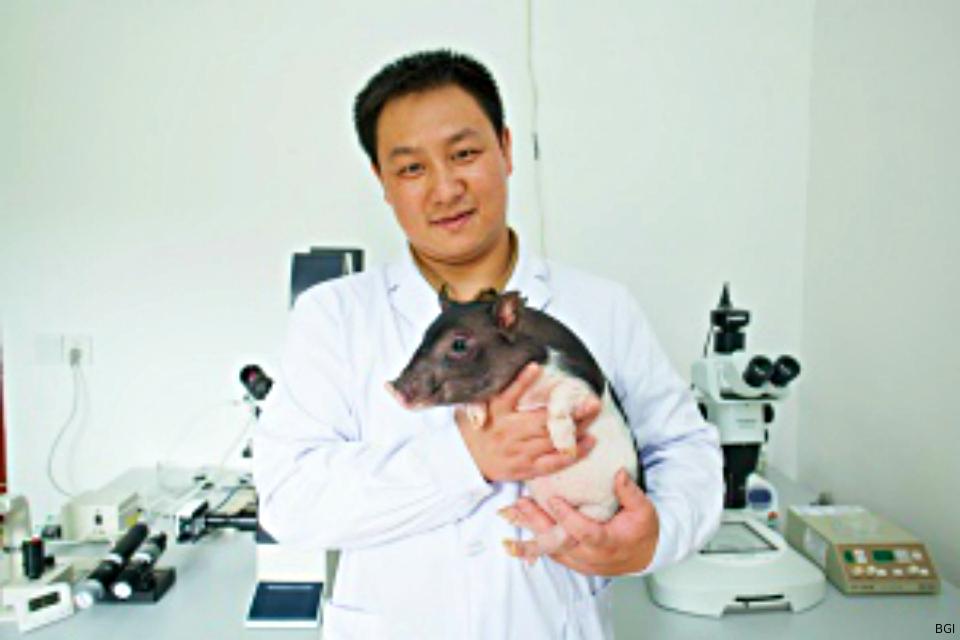
The micropigs were created by getting cells from a Bama fetus and then disabling a growth hormone receptor gene in the cells using enzymes called TALENs (transcription activator-like effector nucleases). The fetal cells were then cloned, and resulted in stunted pigs. Male stunted pigs were then bred with normal females to produce the micropigs.
Ethical considerations
Scientists and ethicists agree that using gene editing on pets isn’t that different from normal breeding practices, it’s just more efficient.
However, some are wary of applying gene editing to pets without further restrictions. “It's questionable whether we should impact the life, health and well-being of other animal species on this planet light-heartedly,” said geneticist Jens Boch from the Martin Luther University of Halle-Wittenberg in Germany. Boch helped develop the technique to create the micropigs.
Geneticist Daniel Voytas from the University of Minnesota hopes that the buzz surrounding the micropigs doesn’t block research into using gene editing to address human disease and the creation of GMO crops. “I just hope we establish a regulatory framework—guidelines for the safe and ethical use of this technology—that allows the potential to be realized,” he said.
BGI agrees that regulations are needed when it comes to applying gene editing for pets and medical research. According to them, profits from the sale of the micropigs will be used to fund research into ethical guidelines.
A healthy micropig is expected to have a price tag of USD 1,600 (~PHP 74,725.60). According to Yong Li, technical director of BGI’s animal-science platform, the price is just to “help us better evaluate the market.” — Bea Montenegro/TJD, GMA News

