

 GMA Brandtalk
 Tracking
 Archives

Obstructive sleep apnea linked with worse COVID-19; Infrared thermometers may be inaccurate in adults
A common sleep disorder, obstructive sleep apnea (OSA), appears to put coronavirus disease (COVID-19) patients at higher risk for critical illness, a new study finds.
Using Finnish national databases, researchers found that while the rates of infection with the new coronavirus were the same for people with and without obstructive sleep apnea (OSA), among people who did become infected, those with OSA had a five-fold higher risk of hospitalization.
When people with OSA are asleep, their breathing stops briefly and then restarts, often multiple times during the night. OSA is associated with health problems like obesity, high blood pressure, heart disease, and diabetes, but was linked with a higher risk for severe COVID-19 even after researchers took all these other factors into account.
The study cannot prove that OSA caused the more severe outcomes.
But in a paper posted on medRxiv ahead of peer review, researchers advise doctors evaluating patients with suspected or confirmed coronavirus infection to recognize that the sleep disorder is a risk factor for severe COVID-19.
Infrared thermometers may be inaccurate in adults
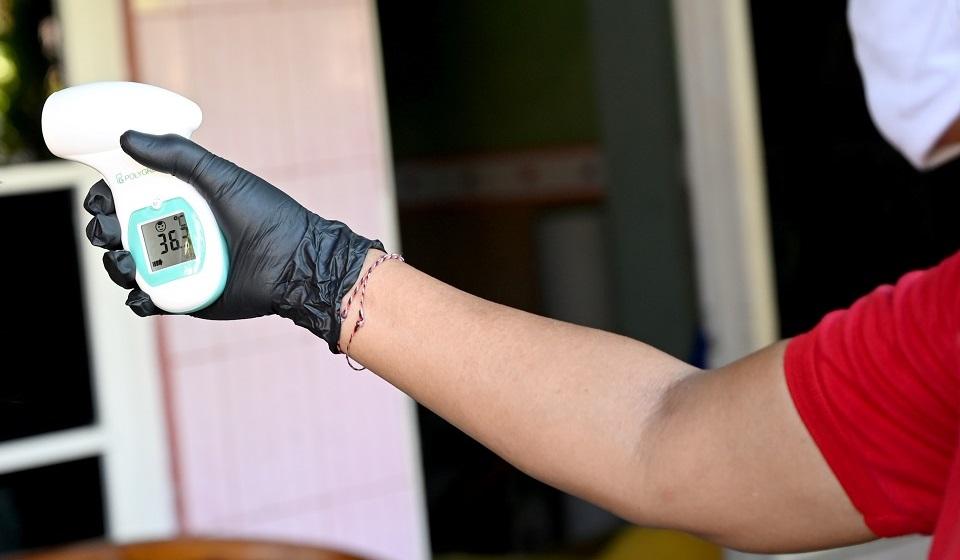
Non-contact infrared thermometers, long used in children and now being used to screen for fever in public places, may not accurately measure body temperature in adults, a small study suggests.
The devices are held a short distance from the forehead. Because they never touch the skin, they help prevent transmission of germs and do not need to be sterilized after each use.
In a study of 265 adults at two hospitals, Australian researchers compared infrared thermometers with "temporal artery" thermometers, which are rubbed across the forehead.
When body temperatures were below 99.5 degrees F (37.5 C), the devices yielded similar results.
But for higher body temperatures, the non-contact thermometers "demonstrated poor accuracy," with greater discrepancies as temperatures rose, according to a report published on Friday in the American Journal of Infection Control.
As only 37 study participants had fever, larger studies are needed to confirm these findings, researchers said.
Meanwhile, they added, when an infrared thermometer shows a temperature above 99.5 F in an adult, it might be wise to get a direct measurement with a thermometer than makes contact with the body. -- Reuters

